


5 Common Causes of a Recurring Bed Bug Problem in Apartments
Learn why bed bug problems return in apartments and how coordinated inspections, preparation, treatment, and monitoring can stop recurring infestations.
A recurring bed bug problem often signals more than a failed treatment. Because neighboring units share walls, utilities, hallways, and common facilities, one untreated bed bug infestation can affect several households. Property managers must look beyond the apartment that first reported activity. Instead, they need a coordinated response that covers connected units, supports tenant cooperation, and includes professional follow-up after the initial treatment.
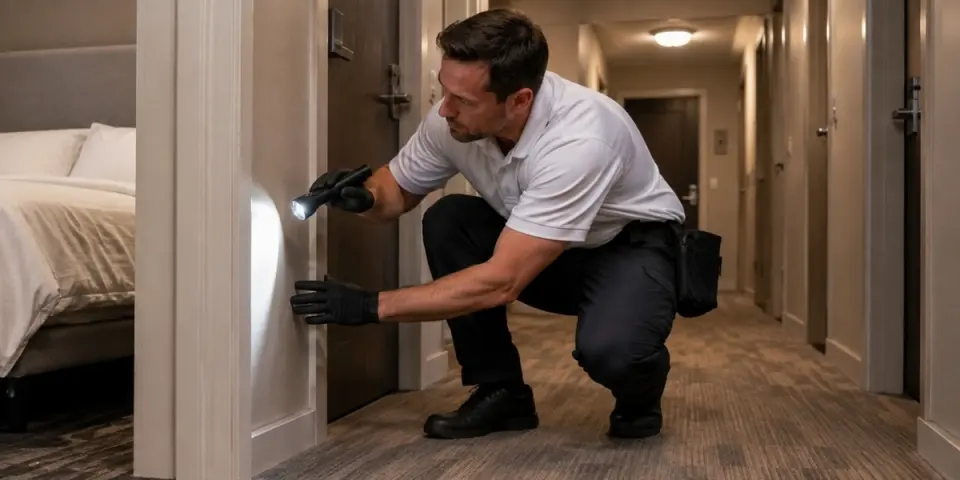
1. Incomplete Inspections Across Connected Units
An inspection that covers only one apartment can miss the actual extent of a bed bug infestation. Bed bugs may travel through gaps around pipes, electrical lines, baseboards, and shared walls. Therefore, technicians should inspect units beside, above, and below the apartment with confirmed activity.
Neighboring residents may not notice a developing bed bug problem. Some people show no visible reaction to bites, while others may mistake the bites for those of another pest. Without an inspection, those apartments can continue supporting hidden populations that eventually move back into a treated unit.
Technicians should also consider shared spaces, including:
- Laundry rooms
- Resident lounges
- Storage areas
- Maintenance rooms
- Shared transportation
- Furniture disposal locations
Limited access creates another challenge. If residents miss appointments or refuse entry, technicians cannot determine whether bed bugs are present in connected units. Property managers need clear access procedures and timely communication. A complete inspection helps reveal hidden harborage before the bed bug infestation spreads farther across the property.
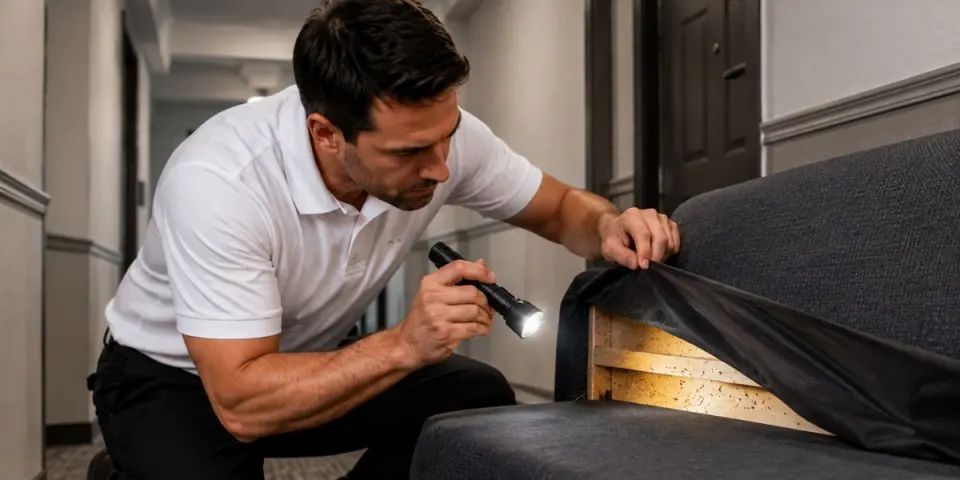
2. How Tenant Movement Spreads a Bed Bug Problem
Bed bugs do not jump or fly; however, they travel efficiently on personal belongings. Clothing, backpacks, purses, luggage, and blankets can carry them from one apartment to another. As a result, everyday tenant movement can spread a bed bug problem without anyone realizing it.
Shared transportation may also increase the risk. Community vans, rideshare vehicles, and carpools give bed bugs additional opportunities to move between personal belongings and upholstered seats. Likewise, residents may transfer a bed bug infestation when they lend clothing, exchange bags, or visit neighboring apartments.
Furniture creates another common route. Moving an infested sofa, mattress, chair, or bed frame through hallways can dislodge bed bugs along the way. Other residents may also retrieve discarded furniture and bring it into their units.
Laundry rooms require careful management as well. Bed bugs can travel inside hampers and laundry bags. Residents should carry potentially infested fabrics in sealed bags, use suitable dryer settings, and place clean items into new containers rather than returning them to contaminated hampers.
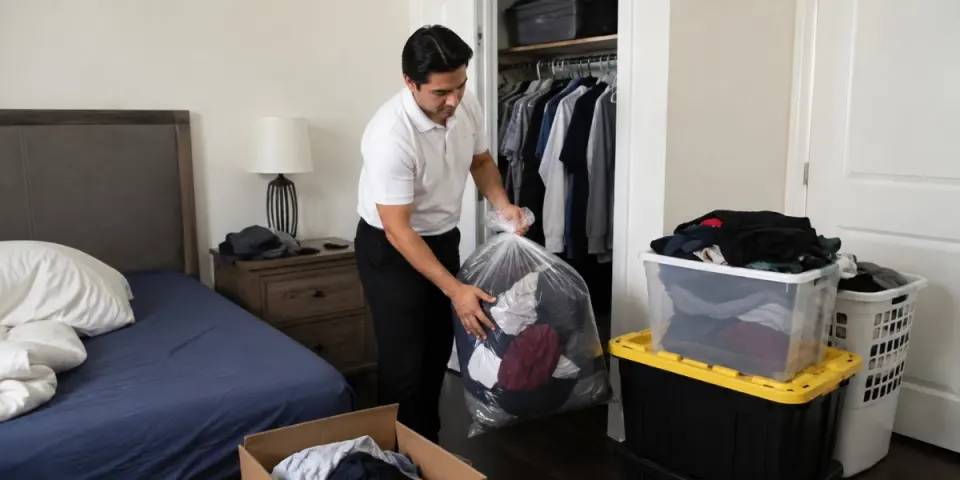
3. Treatment Preparation Mistakes
Poor preparation can make a bed bug infestation harder to control. Although technicians should provide detailed instructions, residents sometimes follow generic online checklists or begin moving belongings without professional guidance. These actions can scatter pests and create new hiding places.
For example, carrying infested clothing, bedding, or furniture into another apartment does not solve the bed bug problem. It simply expands the treatment area. Residents should keep potentially infested items inside the designated area unless the technician provides safe handling instructions.
Other preparation mistakes include:
- Ignoring the provider’s checklist
- Leaving the floors heavily crowded
- Blocking access to beds and furniture
- Keeping drawers tightly packed
- Moving items into hallways
- Leaving heat-sensitive products indoors
- Failing to arrange care for pets
Careful preparation supports treatment without accidentally spreading the bed bug infestation.
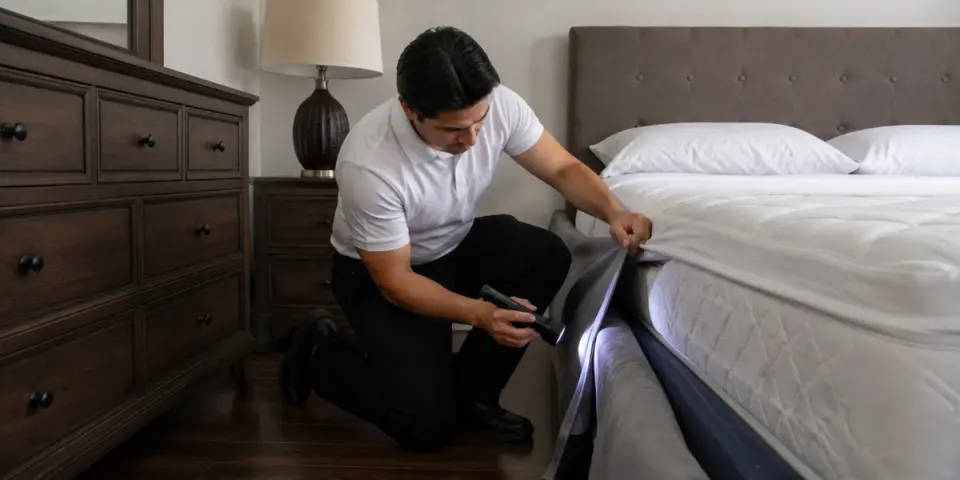
4. Applies Only One Treatment
One service may greatly reduce a bed bug infestation, but property conditions can leave opportunities for survival. Eggs often hide deep inside furniture joints, mattress seams, and structural gaps. If treatment fails to reach them, they can hatch and rebuild the population.
Heat treatment depends on temperature and exposure time. Heavy objects, wall voids, crowded storage areas, and poorly circulated rooms can create cold spots. Technicians use sensors and fans to identify these areas, but complex structures may still require follow-up attention.
Chemical treatments face different challenges. Some bed bug populations resist commonly used insecticides, especially when technicians rely on one active ingredient. Furthermore, pesticides may not reach bugs hidden behind walls or inside inaccessible furniture.
A recurring bed bug problem may also stem from an untreated neighboring apartment rather than from treatment failure in the original unit. For that reason, professionals should combine treatment with monitoring and inspections of connected units.
5. Not Preventing a Recurring Bed Bug Problem
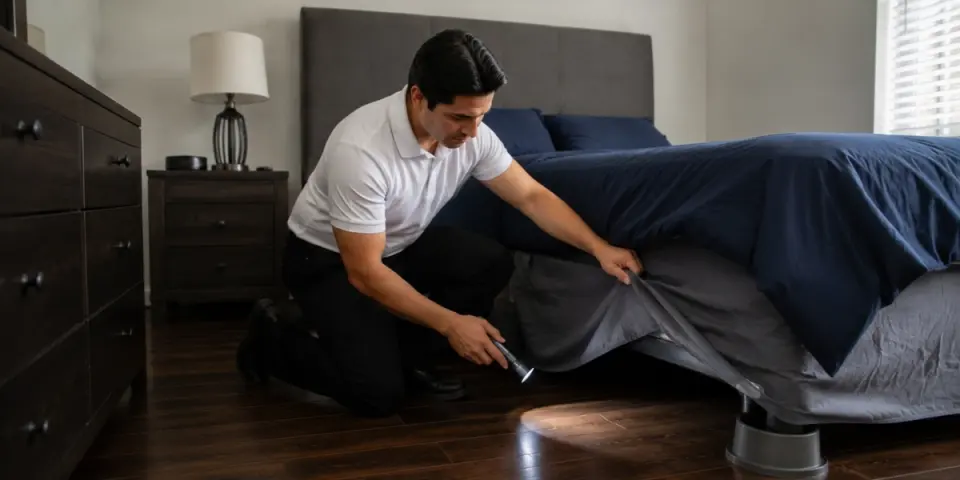
Property managers need a consistent monitoring program after treatment. Scheduled inspections help technicians identify renewed activity before a small bed bug infestation spreads through multiple apartments. They should prioritize previously treated units, neighboring apartments, and high-risk common areas.
Monitoring devices can provide additional evidence between inspections. Bed bug interceptors placed beneath furniture legs can capture moving bugs and help residents detect activity early. However, management must explain how to check and report these devices.
Tenant education should cover:
- Early warning signs
- Prompt reporting procedures
- Safe furniture handling
- Laundry precautions
- Treatment preparation
- Travel-related prevention
Managers should also document every inspection, treatment, tenant report, and follow-up visit. These records reveal patterns that individual complaints may not show. For example, recurring reports along a single wall may indicate movement between connected units. Clear documentation helps professionals adjust the response before another bed bug problem affects the wider property.
Stop the Bed Bug Problem From Becoming a Frequent Tenant
Apartment communities cannot control bed bugs through isolated action. Property managers, residents, maintenance teams, and pest professionals must coordinate inspections, preparation, treatment, and reporting. This shared approach helps identify every affected unit and reduces the chance that an overlooked bed bug infestation will restart activity.
Long-term monitoring remains essential after visible signs disappear. When the property needs broader support, professional bed bug treatment services can provide inspections and treatment options suited to the infestation. Consistent cooperation ultimately gives a recurring bed bug problem fewer places to hide and fewer opportunities to spread.
References:
- Cooper, R., Wang, C., & Singh, N. (2015). Mark-Release-Recapture Reveals Extensive Movement of Bed Bugs (Cimex lectularius L.) within and between Apartments. PLoS ONE, 10(9), e0136462. https://doi.org/10.1371/journal.pone.0136462
- Hentley, W. T., Webster, B., Evison, S. E. F., & Siva-Jothy, M. T. (2017). Bed bug aggregation on dirty laundry: a mechanism for passive dispersal. Scientific Reports, 7(1), 11668. https://doi.org/10.1038/s41598-017-11850-5