


A Quick Bed Bug Travel Exposure Guide for Tulsa Homeowners
Worried you brought bed bugs home from a trip? Use this calm 24–48-hour plan, avoid common mistakes, and know when to call a Tulsa bed bug exterminator.
Travel can be exciting; however, it also brings an unwanted risk—bed bugs hitchhiking home in luggage, clothing, or personal items. Many homeowners in the Tulsa metro only realize the possibility once they notice bites, small dark stains on bedding, or a suspicious insect near their travel bags.
While this situation can feel alarming, the most effective response is calm, early action. The goal is not panic, but containment and observation. This guide walks you through a practical 24–48-hour response plan after travel, explains what signs to look for, and outlines when to contact a professional bed bug specialist.
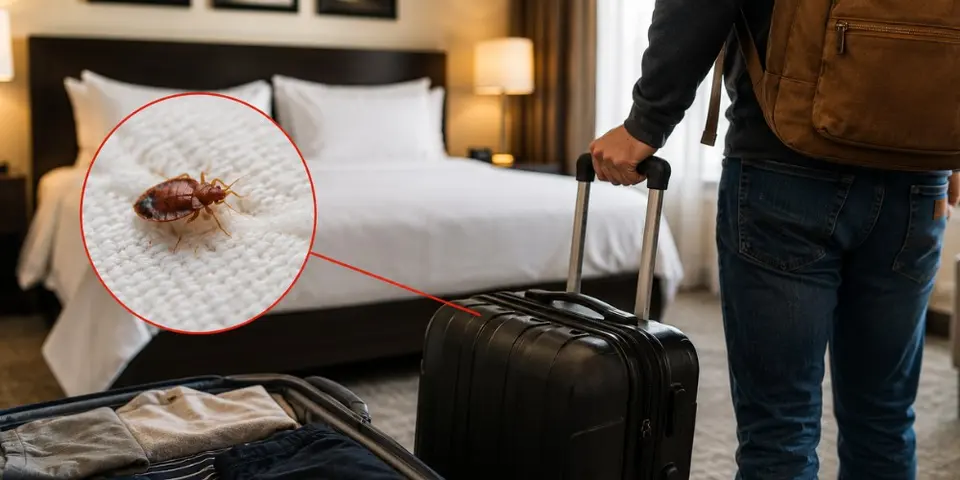
Why Travel Is a Common Source of Bed Bug Exposure
Bed bugs do not spread randomly—they spread by hitchhiking. Travel creates the perfect opportunity because luggage, backpacks, and folded clothing often sit in shared or high-traffic areas.
Because of this, many homeowners later search for bed bug treatment options after returning from hotels or vacation rentals. Bed bugs target areas where people rest and hide, such as mattress seams, upholstered furniture, and headboards.
To better understand exposure risk, consider common travel-related sources:
Before reviewing your belongings, here are key risk points to keep in mind:
- Hotel beds, headboards, and luggage racks
- Airport seating and shared transportation
- Folded clothing stored in suitcases
- Soft luggage placed on hotel floors or beds
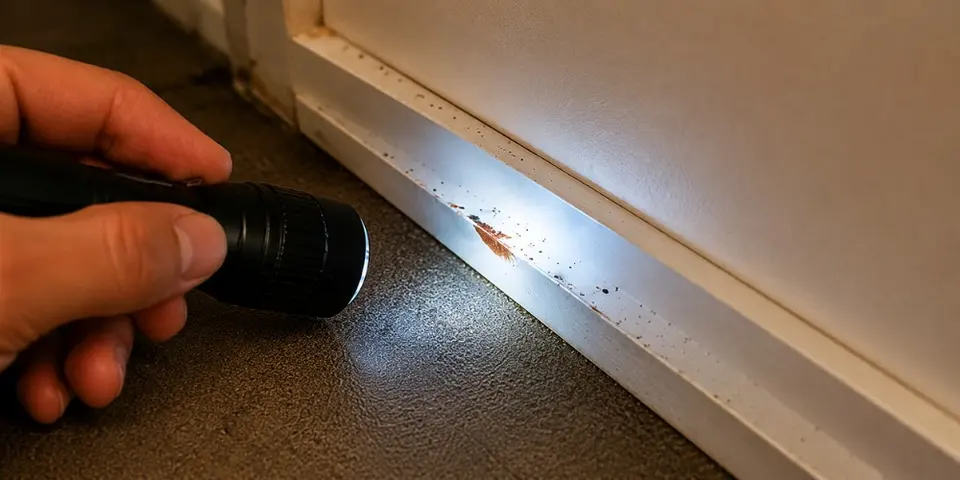
Early Signs You May Have Brought Bed Bugs Home
Before assuming an infestation, it is important to confirm evidence. Bites alone are not reliable, since reactions vary widely from one person to another and can resemble other skin conditions.
Instead, focus on physical indicators that suggest bed bug activity in your home. Early detection often determines whether the issue remains contained or spreads further.
As you inspect luggage and sleeping areas, look for the following signs:
- Live bed bugs are typically small, flat, and reddish-brown
- Shed skins that appear thin and translucent
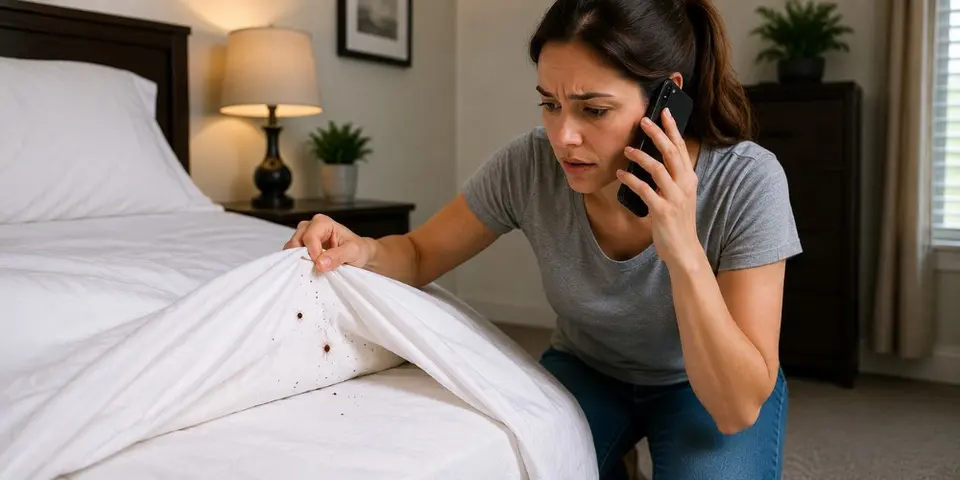
- Dark spotting along seams or fabric edges
- Tiny white eggs are hidden in folds or creases
If you live in shared housing such as an apartment or duplex, containment becomes even more important due to shared walls and connected living spaces. At this stage, many homeowners begin considering professional bed bug treatment to prevent the problem from escalating.
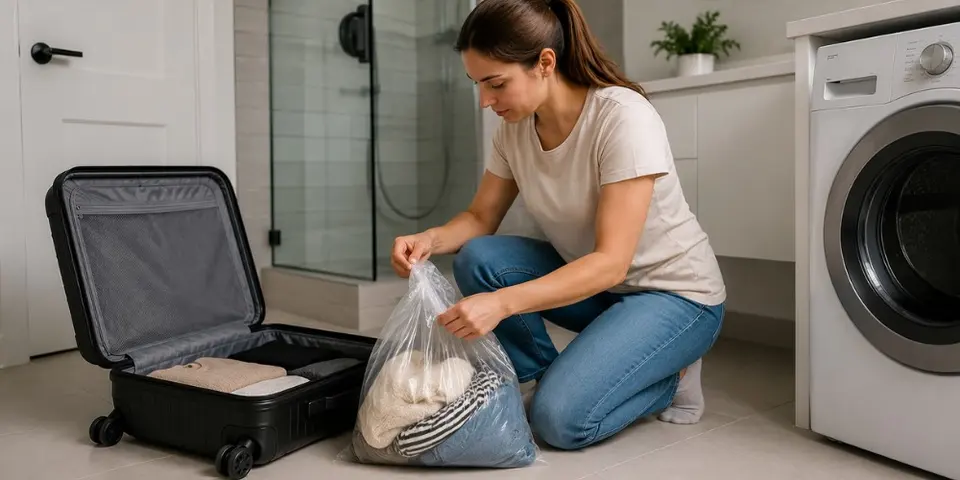
First 24 Hours After Travel, Containment Is Critical
The first day after returning home is the most important period for preventing spread. The goal is to isolate items, reduce movement, and safely clean what you can without distributing potential bed bugs throughout the home.
To stay organized, follow these initial steps carefully:
Begin with controlled unpacking. Here is how to manage it safely:
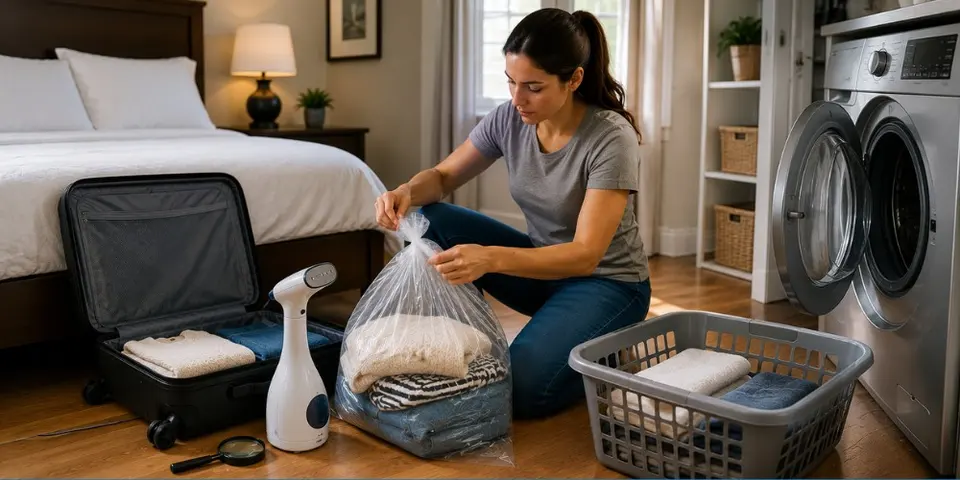
- Choose a hard, easy-to-clean area such as a bathroom or laundry room
- Avoid placing luggage on beds, couches, or carpeted areas
- Immediately bag clothing before moving it elsewhere
- Keep suitcases sealed until you fully inspect them
Next, focus on heat-based cleaning where appropriate. A high-heat dryer cycle is often effective for killing bed bugs in dryer-safe clothing and soft items. Always follow fabric care instructions before applying heat.
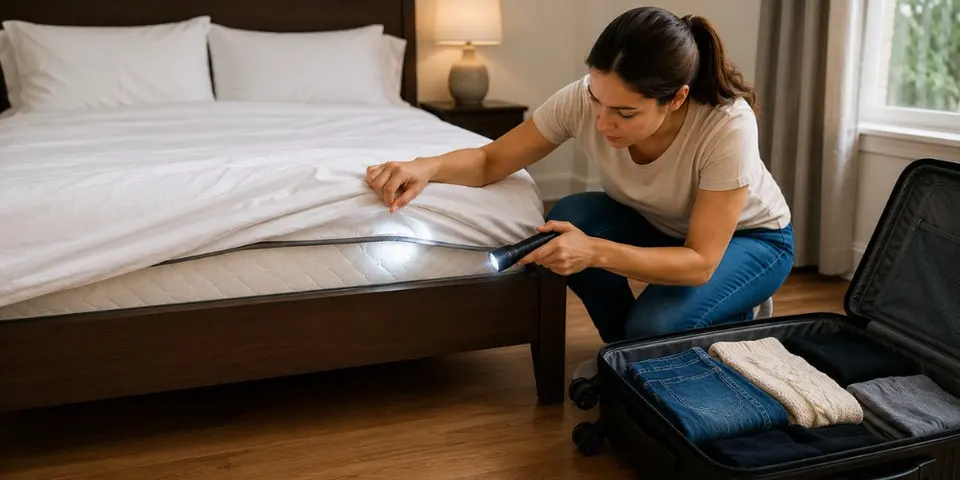
Finally, conduct a quick bedroom inspection. Focus on high-risk hiding areas rather than dismantling furniture completely:
- Mattress seams and corners
- Bed frame joints and crevices
- Headboard edges and mounting points
- Nightstand drawers and corners
At this stage, early containment is far more important than deep cleaning. If signs appear, professional bed bug treatment may become necessary sooner rather than later.
Monitoring and Decision Making for Bed Bug Treatment in the Next 48 Hours
After initial containment, the next step is careful observation. This phase helps determine whether the situation is isolated or developing into a larger infestation.
However, it is equally important to avoid actions that can make the problem worse. Many well-intentioned responses actually spread bed bugs further inside the home.
Here is what you should avoid during this stage:
- Do not use foggers or bug bombs, as they can scatter bed bugs deeper into hiding areas
- Do not move furniture between rooms unnecessarily
- Do not discard furniture immediately without confirmation
Instead, follow a structured decision approach:
If no physical signs appear, continue monitoring luggage and sleeping areas for several days. If spotting or shed skins appear, limit the movement of affected items and prepare for inspection. If you find live bed bugs, capture them safely, document them, and contact a professional promptly.
When to Contact a Tulsa Bed Bug Specialist
At a certain point, professional intervention becomes the most effective step. This is especially true if evidence appears in multiple areas, or if you live in multi-unit housing where spread can occur between units.
You should consider professional help if:
- You confirm live bed bugs or multiple signs of activity
- Evidence appears in bedrooms or upholstered furniture
- You live in apartments, condos, or shared housing
- You want confirmation before the problem spreads further
In the Tulsa metro area, Heat Tech Bed Bug Exterminator provides specialized, bed-bug-only services across cities such as Broken Arrow, Bixby, Jenks, Owasso, and Sand Springs. Their primary approach often includes professional bed bug treatment using heat, which they commonly complete in a single service visit, depending on the situation. They also offer chemical and Aprehend options when appropriate.
Many homeowners explore bed bug treatment options at this stage to ensure complete elimination rather than temporary relief.
Final Steps After Travel Exposure
The most effective response after travel is simple but structured: isolate items, clean carefully using heat when possible, and monitor closely before taking further action. This prevents unnecessary spread and reduces stress during uncertainty.
When managed early, most post-travel exposures can be controlled before they become major infestations. However, if signs continue or worsen, professional bed bug treatment in Sand Springs,OK, provides a faster and more reliable resolution.
With the right approach, you can protect your home, limit disruption, and restore peace of mind after travel.
References:
- Doggett, S. L., Dwyer, D. E., Peñas, P. F., & Russell, R. C. (2012). Bed bugs: clinical relevance and control options. Clinical Microbiology Reviews, 25(1), 164–192. https://doi.org/10.1128/cmr.05015-11
Koganemaru, R., & Miller, D. M. (2013). The bed bug problem: Past, present, and future control methods. Pesticide Biochemistry and Physiology, 106(3), 177–189. https://doi.org/10.1016/j.pestbp.2013.05.005