


Bed Bug Exterminator Combines Heat and Chemical Treatments
Learn how a bed bug exterminator combines heat and chemical treatments to kill active pests, provide residual protection, and prevent future infestations.
Bed bugs can hide deep inside furniture, reproduce quickly, and survive incomplete treatments. Consequently, professionals often use multiple methods to control a serious infestation. A bed bug exterminator may combine whole-room heat with targeted chemical applications to provide immediate and residual control.
Heat kills active bugs across life stages, while select products continue to work in treated cracks and crevices. This integrated approach allows bed bug pest control to address current activity while protecting hard-to-reach areas where surviving pests might remain.
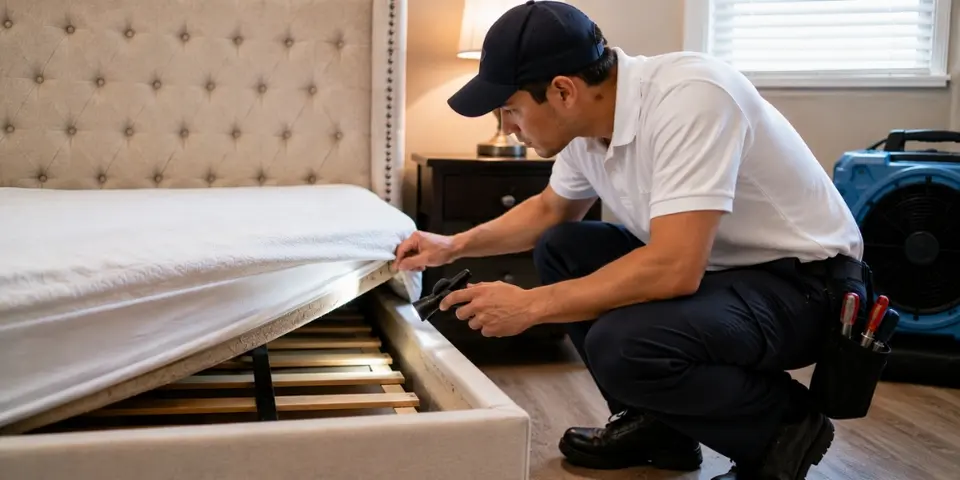
How a Bed Bug Exterminator Evaluates the Infestation
Before recommending treatment, a bed bug exterminator completes a detailed property inspection. The technician looks for live bugs, eggs, shed skins, fecal marks, and blood spots rather than relying on bites alone. These signs help confirm the infestation and reveal where bed bugs spend most of their time.
Next, the technician considers the population size and the number of affected rooms. A minor infestation around one bed requires a different plan than widespread activity across bedrooms, living rooms, and shared spaces.
The inspection usually covers common hiding places such as:
- Mattress seams
- Box springs
- Bed frames
- Headboards
- Upholstered furniture
- Baseboard gaps
- Carpet edges
- Electrical fixtures
The property layout also influences pest control for bed bugs. Shared walls, adjoining rooms, hallways, closets, and structural gaps can create routes for movement. In apartments, technicians may recommend checking neighboring units. Once the inspection ends, the bed bug exterminator can decide where heat will work best and which areas may need chemical protection.
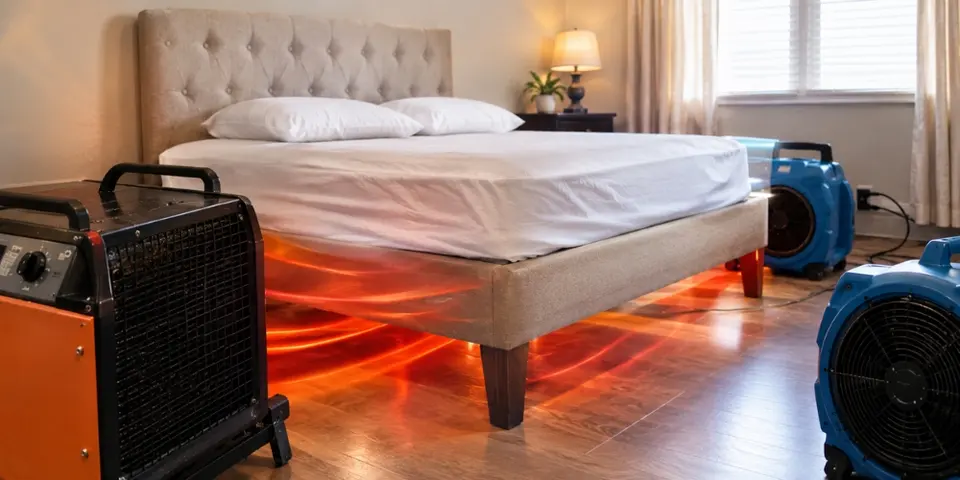
How Heat Treatment Eliminates Active Bed Bugs
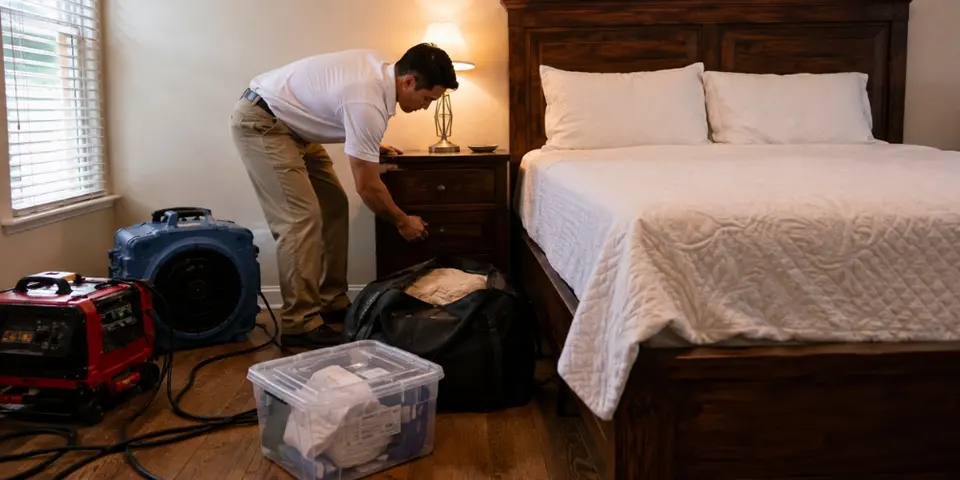
Heat treatment raises the temperature throughout an infested area until bed bugs can no longer survive. A bed bug exterminator uses commercial heaters to produce controlled heat and powerful fans to circulate it throughout each room. Meanwhile, thermal sensors track conditions in several locations.
This equipment helps heat reach more than open floors and visible surfaces. Heated air can move around beds, beneath furniture, along walls, and inside accessible cracks. Technicians may reposition heaters, fans, mattresses, and cushions to prevent cooler areas from sheltering pests.
Effective heat exposure can target:
- Bed bug eggs
- Newly hatched nymphs
- Developing nymphs
- Mature adults
Eggs often present the greatest challenge because they hide easily and resist many surface treatments. However, the right combination of temperature and exposure time can eliminate them. For this reason, professional heat provides valuable whole-room coverage within a broader pest control for bed bugs strategy.
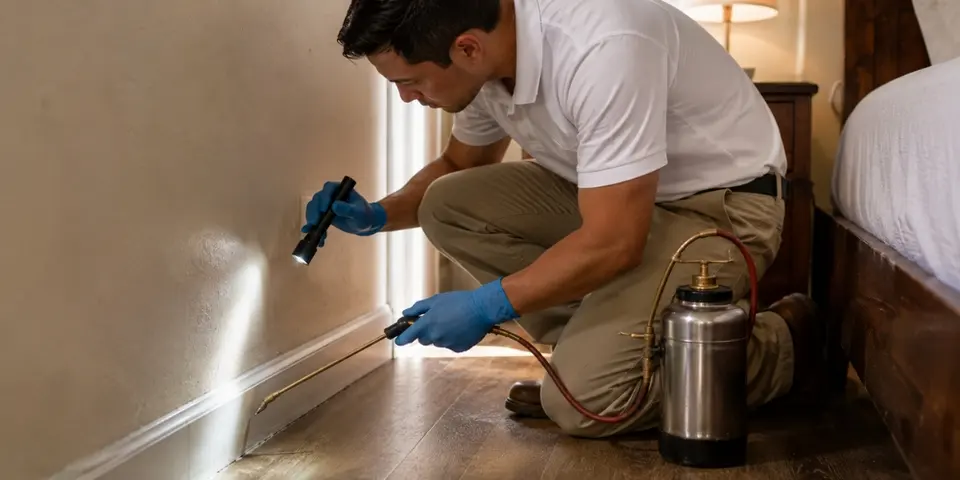
The Role of Chemical Treatment
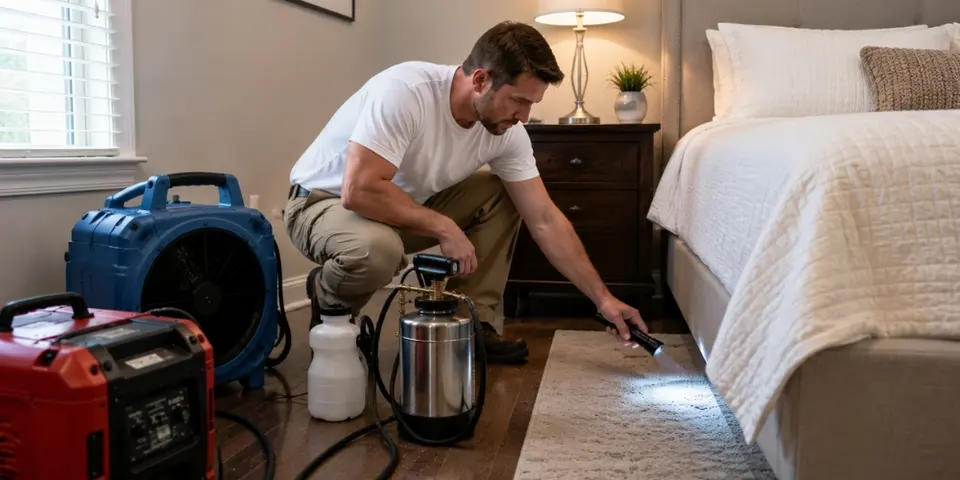
Heat kills exposed and concealed bed bugs during treatment, but it leaves no residual protection after the property cools. Therefore, a technician may use carefully selected insecticides to protect specific locations and address possible survivors.
Professional chemical applications focus on areas where bed bugs hide or travel. Depending on the product label and property conditions, these areas may include:
- Cracks and crevices
- Floor-and-wall junctions
- Baseboard openings
- Furniture joints
- Closet edges
- Structural voids
A bed bug exterminator does not need to spray every surface. Instead, targeted application places the product where it can deliver the greatest value while limiting unnecessary exposure.
Some products continue controlling bed bugs after the initial service. As pests cross a treated area, they may come into contact with residual material. This ongoing effect strengthens pest control for bed bugs, especially in protected spaces that heat may reach slowly. However, technicians must select products carefully because some bed bug populations are resistant to certain insecticides.
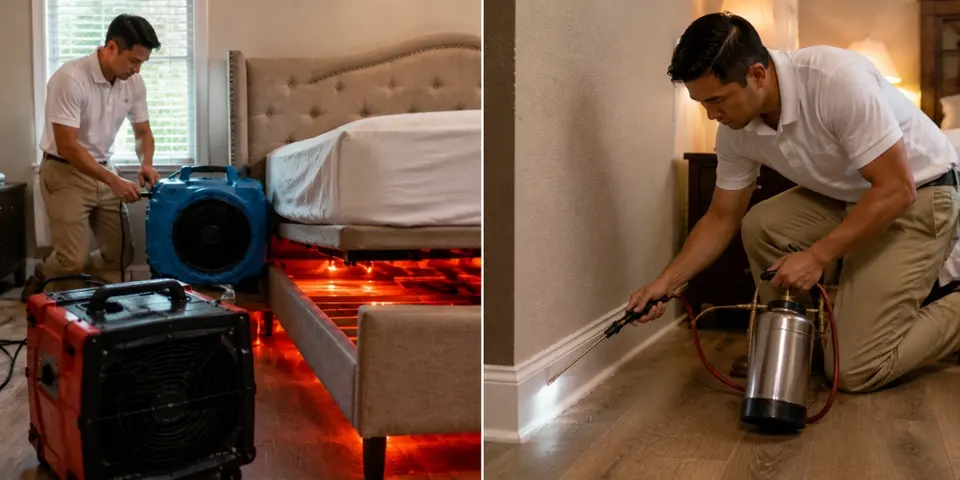
Why a Bed Bug Exterminator May Combine Both Methods
A bed bug exterminator may recommend a combined program because heat and chemicals perform different jobs. Heat provides immediate control throughout the treatment zone, while residual products continue working in selected areas afterward.
Together, these methods can offer several benefits:
- Fast population reduction
- Control across every life stage
- Protection in structural gaps
- Coverage for difficult hiding places
- Reduced risk of continued activity
- More flexible treatment planning
Combined pest control for bed bugs also gives technicians greater control over complex infestations. For example, heat may eliminate bugs inside beds, sofas, and other furnishings. Afterward, a residual product may protect baseboard gaps, wall edges, or other locations where pests could survive or reappear.
However, every property needs a customized plan. The bed bug exterminator should consider the infestation’s severity, the building’s construction, previous treatments, and household concerns. A smaller infestation may respond well to targeted chemical service, while widespread activity may justify whole-room heat followed by residual protection.
Preparing for a Combined Treatment
Proper preparation helps pest control for bed bugs reach infested areas without damaging sensitive belongings. Before treatment day, the provider should give residents a customized checklist based on the equipment, property, and products involved.
Homeowners may need to remove or protect:
- Aerosol cans
- Medications
- Candles and wax products
- Houseplants
- Pressurized containers
- Delicate artwork
- Heat-sensitive electronics
- Pets and aquariums
Residents should also manage clutter carefully. Piles of clothing, stacked boxes, and crowded floors can restrict technician access and slow heat movement. However, homeowners should never carry infested items into untreated rooms, as this can spread bed bugs.
The bed bug exterminator may ask residents to open closets, clear furniture, provide access to baseboards, or arrange stored items. Following these instructions helps pest control for bed bugs address hidden locations while protecting valuable possessions and reducing avoidable delays.
Double the Defense for Stronger Bed Bug Control
Heat and chemical treatments create a balanced strategy when technicians use them correctly. Heat delivers fast control throughout infested rooms, while residual products continue to target activity in selected cracks, crevices, and structural gaps. Professional monitoring then confirms that each method reaches the intended locations.
A qualified bed bug exterminator can determine whether the infestation requires heat, chemicals, or both. Homeowners can also explore professional chemical treatment options for targeted residual protection. With careful preparation and scheduled follow-up inspections, combined pest control for bed bugs offers a practical path toward lasting control without relying on unsafe heating methods or widespread DIY spraying.
References:
- Kells, S. A., & Goblirsch, M. J. (2011). Temperature and Time Requirements for Controlling Bed Bugs (Cimex lectularius) under Commercial Heat Treatment Conditions. Insects, 2(3), 412–422. https://doi.org/10.3390/insects2030412
- Shrestha, B., & Ashbrook, A. R. (2025). Determination of temperature and relative humidity combinations that are lethal to bed bugs ( Cimex lectularius ). Journal of Economic Entomology, 119(1), 423–429. https://doi.org/10.1093/jee/toaf315