


Bed Bug Heater Benefits for Multi-Tenant Rental Properties
Learn how a professional bed bug heater treats hidden infestations in multi-tenant properties while reducing downtime and preserving furniture onsite.
Multi-tenant properties face bed bug challenges that single-family homes do not. Frequent turnover introduces new residents and belongings, while connected apartments allow overlooked activity to affect neighboring households. Treating only the reported apartment may leave nearby problems undiscovered.
Therefore, property managers need to coordinate inspections and maintain consistent communication with residents. A professional bed bug heater can provide fast, broad treatment when technicians determine that heat is appropriate for the infestation and building conditions.
1. A Bed Bug Heater Targets Adults, Nymphs, and Eggs
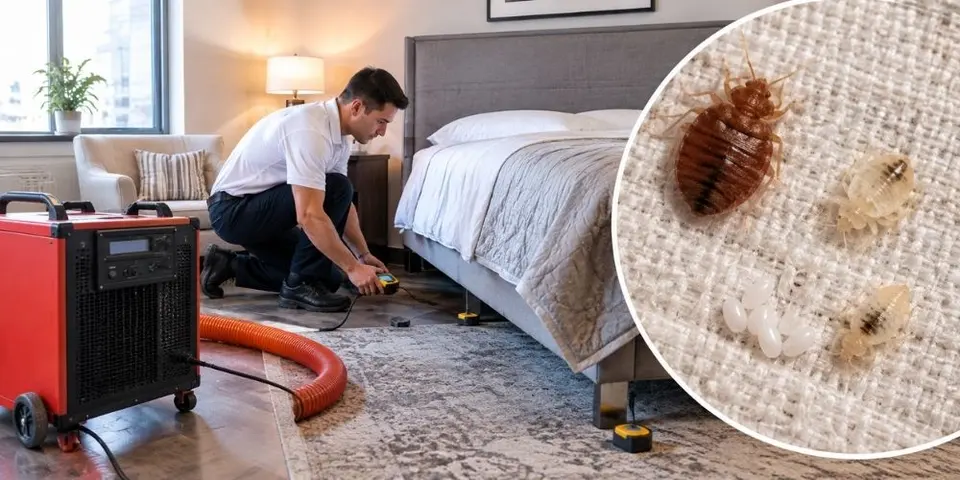
Bed bugs develop from eggs into nymphs before reaching adulthood. A treatment that misses one stage may allow the population to recover.
A professional bed bug heater targets three primary life stages:
- Adult bed bugs
- Developing nymphs
- Unhatched eggs
The equipment exposes these pests to lethal temperatures for a sufficient time. Temperature and duration work together. A high reading in the middle of a room does not prove that furniture interiors, wall edges, and other sheltered locations have received adequate exposure.
Technicians place sensors throughout the apartment to track conditions where bed bugs may hide. They may closely monitor:
- Mattresses
- Couches
- Baseboards
- Closets
- Other difficult areas
If a sensor reveals a cooler pocket, the team can adjust the bed bug heater, redirect airflow, or extend treatment.
Residents should never substitute common household space heaters, hair dryers, or ovens for professional equipment. These devices cannot create reliable whole-room conditions, and improvised heating may cause:
- Fires
- Electrical overloads
- Property damage
Professional monitoring allows heat to target every life stage without relying on guesswork.
2. Heated Air Reaches Furniture and Hidden Harborages
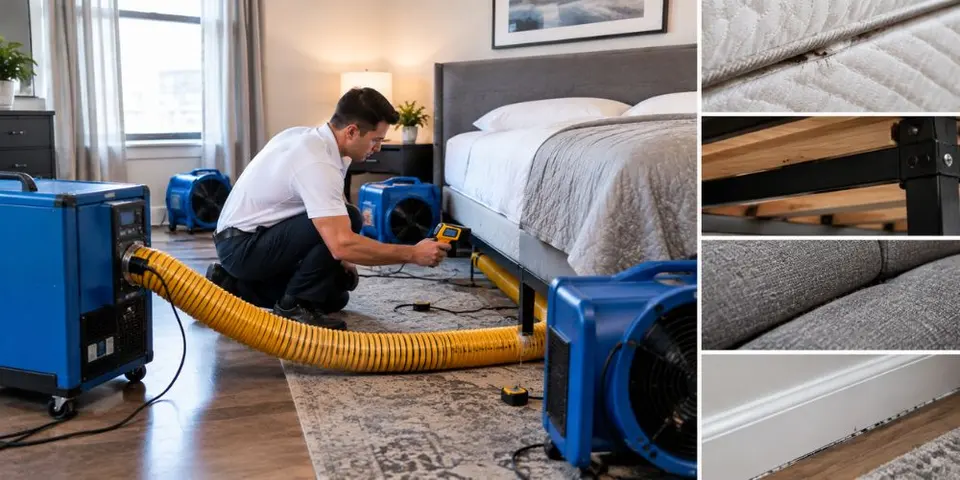
Bed bugs hide close to places where people sleep or rest. They commonly squeeze into:
- Mattress seams
- Box springs
- Bed frames
- Couch joints
- Baseboards
- Wall gaps
- Closets
- Drawers
Surface treatment alone may not reach every concealed insect.
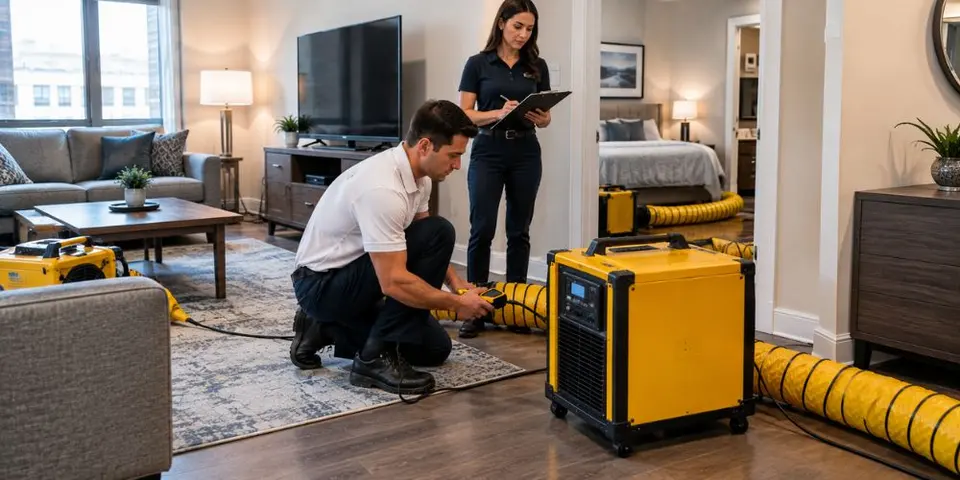
During professional service, fans distribute heated air through the room and around furniture. The bed bug heater raises the ambient temperature, while controlled airflow helps warmth penetrate objects and sheltered spaces. Technicians arrange equipment according to:
- Apartment layout
- Furniture density
- Room dimensions
Clutter, blocked furniture, and tightly packed belongings can restrict airflow. Therefore, residents must follow the preparation checklist before treatment. Instructions may require them to:
- Reduce clutter
- Open drawers
- Separate tightly stored items
- Move furniture away from the walls
- Keep belongings inside the correct unit
Sensors provide readings from important locations rather than from a single convenient spot. Technicians may reposition fans or equipment when mattresses, couches, corners, or wall edges warm too slowly. This active management reduces cooler areas where bed bugs could survive.
Heat affects only locations that meet and maintain the required conditions. Careful preparation, professional equipment, and continuous monitoring help the treatment consistently address hidden harborage.
3. A Bed Bug Heater May Reduce Unit Downtime
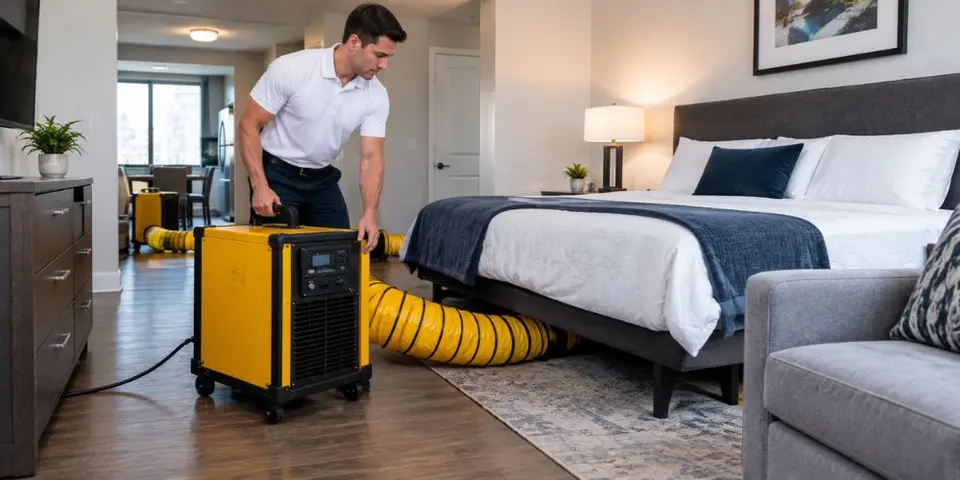
Conventional bed bug programs may require several appointments, depending on the infestation and treatment plan. In contrast, professionals can often complete whole-room heat service within one day. However, these factors still influence the schedule:
- Property size
- Preparation quality
- Infestation conditions
- Number of treated rooms
Faster completion can help residents return to treated rooms sooner after technicians authorize re-entry. It may also reduce repeated disruptions for families managing work, school, childcare, or other responsibilities. However, residents must remain outside the treatment area until professionals declare it safe.
A bed bug heater can also support efficient turnover in vacant rental units. Property managers can coordinate:
- Inspection
- Preparation
- Treatment
- Cooling
- Re-entry
Occupied apartments require more communication because residents need time to handle belongings and arrange temporary access elsewhere.
Managers should provide clear written advance notices covering:
- Preparation responsibilities
- Appointment times
- Access requirements
- Re-entry instructions
They must also coordinate with technicians when an adjoining apartment requires inspection.
One-day treatment does not eliminate the need for follow-up. Monitoring and resident reporting remain important because untreated neighboring units or newly introduced insects can create activity later.
4. Heat Can Preserve Tenant and Landlord Furniture
Discovering bed bugs often makes residents want to discard mattresses, couches, or chairs immediately. However, moving infested furniture can transfer insects through:
- Hallways
- Elevators
- Stairwells
- Vehicles
- Shared disposal areas
Disposal also creates replacement costs for tenants and property owners.
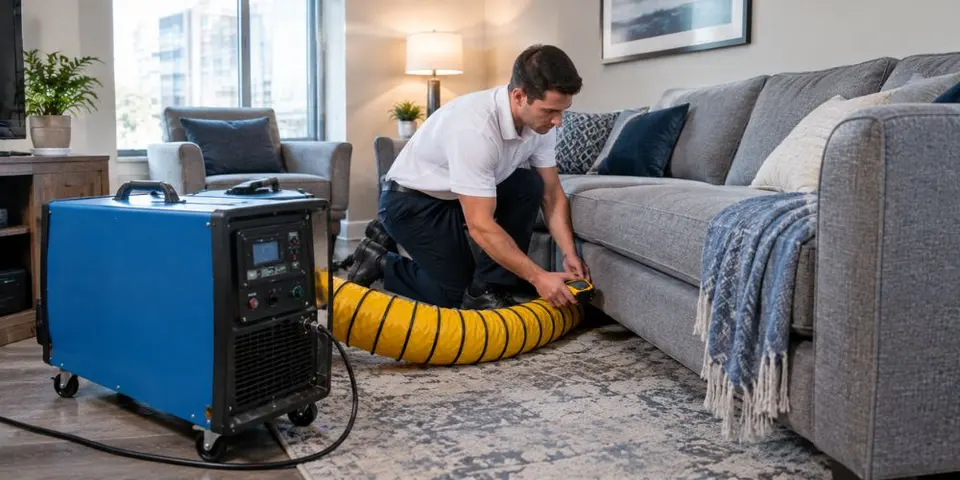
A professional bed bug heater can treat many suitable furnishings inside the affected apartment, including:
- Mattresses
- Box springs
- Couches
- Chairs
- Bed frames
- Furnished-rental items
Technicians use sensors to determine whether difficult parts of each item reach the required temperature.
Before service, residents should leave furniture in place unless the pest professional gives different instructions. They may need to open sleeper sofas, remove tightly packed contents, or provide clearance around large pieces.
Technicians should separately evaluate potentially sensitive belongings, such as:
- Electronics
- Artwork
- Delicate materials
- Pressurized containers
- Temperature-sensitive possessions
A bed bug heater does not make every object safe for treatment. The professional preparation list identifies which items can remain and which require removal or alternative treatment.
Treating furniture in place may reduce waste, prevent unnecessary purchases, and limit insect movement through shared spaces. It also allows furnished properties to preserve usable items while addressing insects hidden within seams and joints.
Turn Up the Heat on Bugs, Not Resident Stress
Successful heat treatment starts with coordination. Property managers should inspect the reported apartment and evaluate units beside, above, and below it when evidence suggests connected activity. They should send preparation notices early, protect resident confidentiality, confirm access, and explain re-entry requirements. Throughout service, technicians must monitor each bed bug heater and document conditions in critical locations.
After treatment, managers should continue inspections, monitoring, and resident reporting across relevant apartments. Those seeking local assistance for difficult bed bug problems can arrange a professional evaluation before choosing a method. A coordinated plan reduces confusion, protects furniture, and helps keep untreated neighboring activity from undermining the overall service.
References:
- Kells, S. A., & Goblirsch, M. J. (2011). Temperature and Time Requirements for Controlling Bed Bugs (Cimex lectularius) under Commercial Heat Treatment Conditions. Insects, 2(3), 412–422. https://doi.org/10.3390/insects2030412
- Pereira, R. M., Koehler, P. G., Pfiester, M., & Walker, W. (2009). Lethal effects of heat and use of localized heat treatment for control of bed bug infestations. Journal of Economic Entomology, 102(3), 1182–1188. https://doi.org/10.1603/029.102.0342