


Common FAQs About Conventional Bed Bug Treatment Methods
Learn how conventional treatment targets bed bugs with precision, using proven methods to eliminate infestations and restore control effectively.
Bed bugs create stress fast. They hide well, multiply quickly, and disrupt your sleep before you even realize what’s happening. Because of this, many homeowners turn to conventional treatment as a reliable way to eliminate infestations. Still, questions often come up about how it works, how long it takes, and what results to expect.
So, let’s clear things up. Below, you’ll find straightforward answers to the most common questions about bed bug treatment using conventional methods.
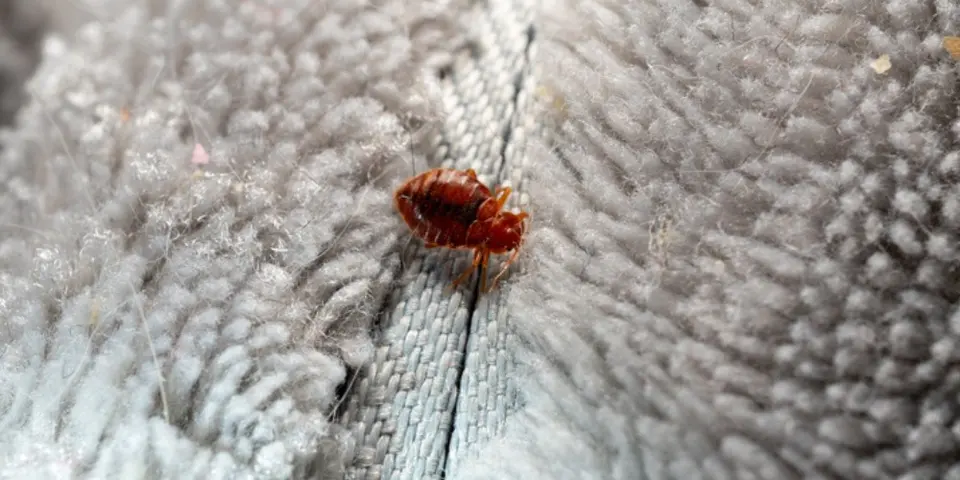
What Is Conventional Treatment for Bed Bugs?
To start, conventional treatment uses carefully selected insecticides applied directly to areas where bed bugs live and travel. These treatments target cracks, mattress seams, furniture joints, baseboards, and other tight spaces.
Unlike heat-based approaches, this method relies on products that disrupt the bed bug’s nervous system or growth cycle. As a result, it attacks both active bugs and emerging ones over time.
Because bed bugs often hide in multiple locations, this type of bed bug treatment focuses on precision rather than speed, ensuring targeted application where it matters most.
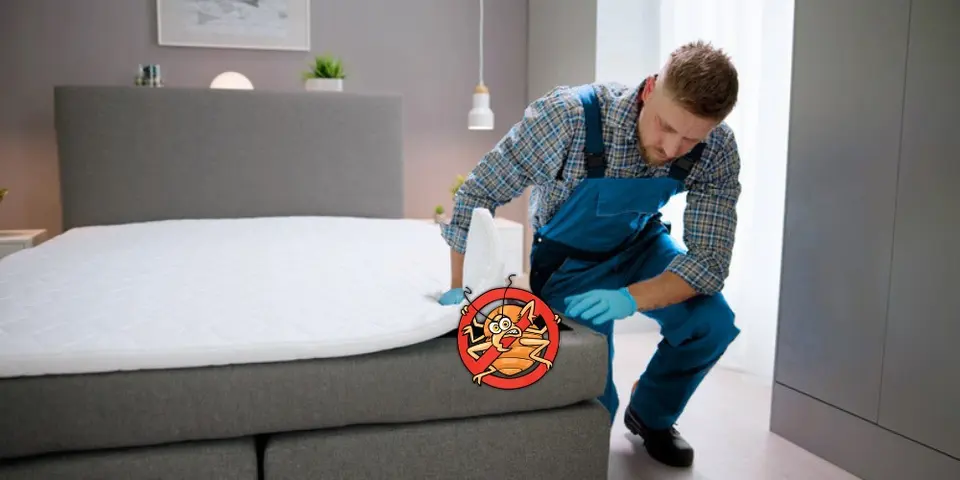
How Does Conventional Treatment Work?
Now that you understand the basics, let’s go through the process step by step. A typical bed bug treatment using conventional methods follows a structured approach.
Here’s what usually happens during treatment:
- Inspection: Technicians locate bed bug activity and identify key hiding spots.
- Initial application: They apply insecticides to high-risk areas and surfaces.
- Detailed targeting: They carefully treat seams, cracks, and hidden voids.
- Follow-up visits: They return to reapply treatments and monitor progress.
This layered process ensures that conventional treatment reaches both visible bugs and those hiding out of sight.
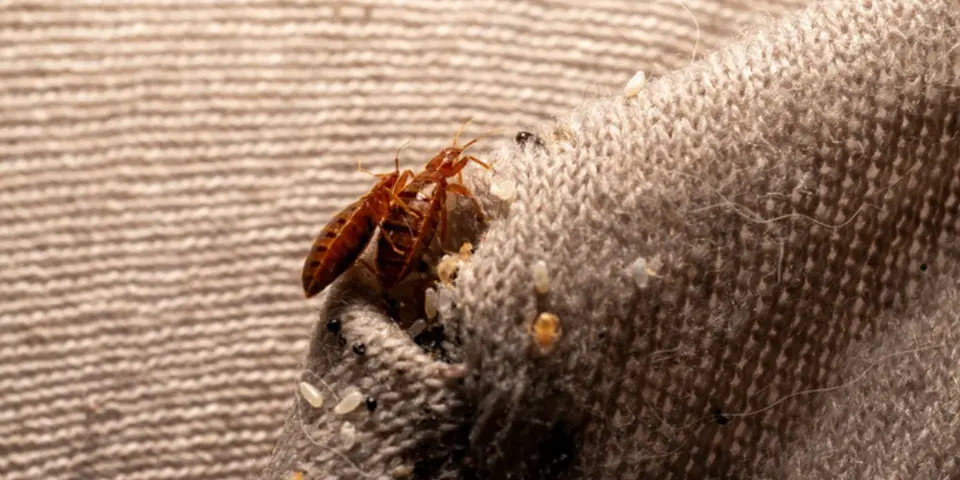
Is Conventional Treatment Effective for Bed Bugs?
In many cases, conventional treatment delivers reliable results when applied thoroughly. However, it works progressively rather than instantly.
Bed bug eggs often survive the first application, which makes follow-up visits essential. As new bugs hatch, additional treatments eliminate them before they can reproduce.
Because of this cycle, a well-planned bed bug treatment strategy focuses on consistency. Over time, repeated applications reduce the population until the infestation disappears.

How Long Does Conventional Bed Bug Treatment Take?
The timeline for conventional treatment depends on factors such as infestation size, room layout, and the extent of bed bug infestation. Rather than following a fixed schedule, treatment progresses based on how the infestation responds.
Some spaces show improvement quickly, while others take longer due to hidden activity or complex layouts. Instead of focusing only on days or weeks, it helps to think in terms of phases, where each stage targets a different level of the infestation.
This flexible timeline allows the bed bug treatment to adapt and remain effective across different situations.

Is Conventional Treatment Safe?
Safety matters, especially when treatments involve insecticides. Fortunately, professionals use regulated products and apply them in controlled amounts during conventional treatment.
They also provide clear instructions to help you stay safe before and after each visit.
To help the process go smoothly, keep these key safety steps in mind:
- Leave treated areas for the recommended time
- Keep children and pets away until it is safe to return
- Avoid disturbing treated surfaces too soon
- Follow re-entry guidelines carefully
These precautions ensure the bed bug treatment works effectively while keeping your household protected.

How Should You Prepare for Conventional Treatment?
Preparation plays a critical role in achieving strong results. When you prepare properly, you allow treatments to reach hidden areas more effectively.
Before treatment begins, take time to prepare your space. Here’s what you should focus on:
- Wash and dry bedding, clothing, and linens using high heat
- Reduce clutter to expose hiding spots
- Vacuum floors, mattresses, and furniture thoroughly
- Move furniture slightly away from the walls
- Store cleaned items in sealed bags
These steps support a more thorough conventional treatment and reduce the chances of missed infestations.

Will You Need Multiple Treatments?
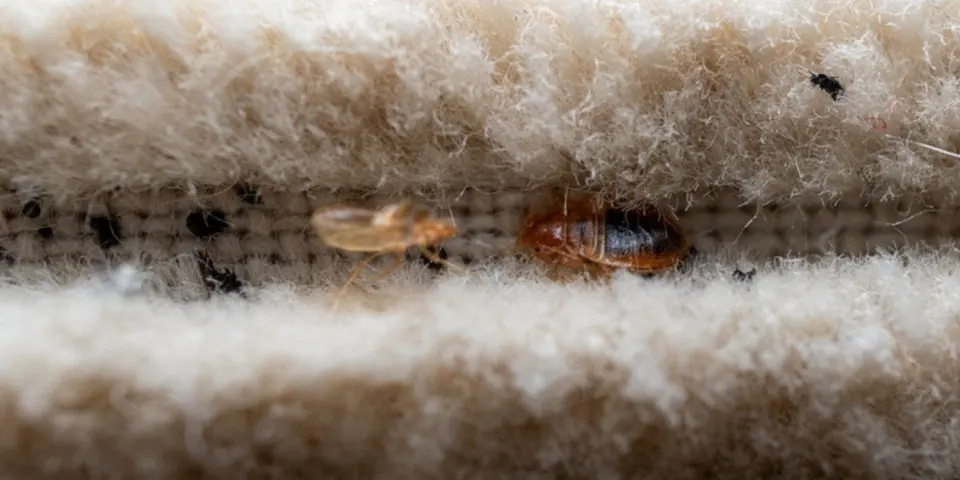
Yes, most cases require multiple visits because bed bugs move, hide, and reproduce in cycles. Conventional treatment accounts for this behavior by spacing applications to catch bugs at different life-cycle stages.
Each session builds on the previous one. Initial treatments reduce active populations, while follow-up visits target bugs that emerge later or relocate to new hiding spots.
This step-by-step approach ensures the bed bug treatment addresses the entire infestation rather than providing only temporary relief.

What Are the Pros and Cons of Conventional Treatment?
Before choosing a method, it helps to understand both the strengths and limitations. So, here’s a quick overview to guide your decision:
Pros:
- Targets specific infestation areas with precision
- Costs less upfront compared to some alternatives
- Allows ongoing monitoring and adjustments
- Works well alongside cleaning and prevention efforts
Cons:
- Requires multiple visits over time
- Takes longer to eliminate all bed bugs
- Depends heavily on proper preparation
- It may take longer to reach deeply hidden bugs
By weighing such factors, you can decide whether conventional treatment is appropriate for your situation.
Outsmart Bed Bugs With Smarter Choices
Bed bugs may be persistent, but the right strategy makes all the difference. Conventional treatment remains a dependable approach when applied with care, preparation, and consistency.
By understanding how the process works and what to expect at each stage, you can approach treatment with confidence instead of uncertainty. Clear expectations lead to better decisions and more effective results.
If you’re ready to take the next step, explore trusted options for conventional treatment in Oklahoma and move closer to a bed bug-free space with a method that delivers steady, reliable progress.
References:
- Campbell, B., & Miller, D. (2015). Insecticide Resistance in Eggs and First Instars of the Bed Bug, Cimex lectularius (Hemiptera: Cimicidae). Insects, 6(1), 122–132. https://doi.org/10.3390/insects6010122
- Campbell, B. E., & Miller, D. M. (2017). A Method for Evaluating Insecticide Efficacy against Bed Bug, <em> Cimex lectularius</em>, Eggs and First Instars. Journal of Visualized Experiments, (121). https://doi.org/10.3791/55092