


Complete Conventional Treatment Guide for Bed Bug Control
Learn how conventional treatment works for bed bugs, its methods, and why professional application is essential for lasting control.
Bed bug infestations can spread faster than most homeowners expect, and treating them incorrectly only makes the problem worse. Many people jump into DIY methods without knowing the best practices, wasting time and money. Learning how conventional treatment works can help you tackle infestations effectively.
While some homeowners rely on bed bug heat treatment for quick results, conventional methods remain crucial. Understanding the components, application techniques, and why professionals are needed can help prevent recurring infestations. Keep reading to know how traditional treatment works and why it remains a cornerstone of pest management.
What Is Conventional Treatment?
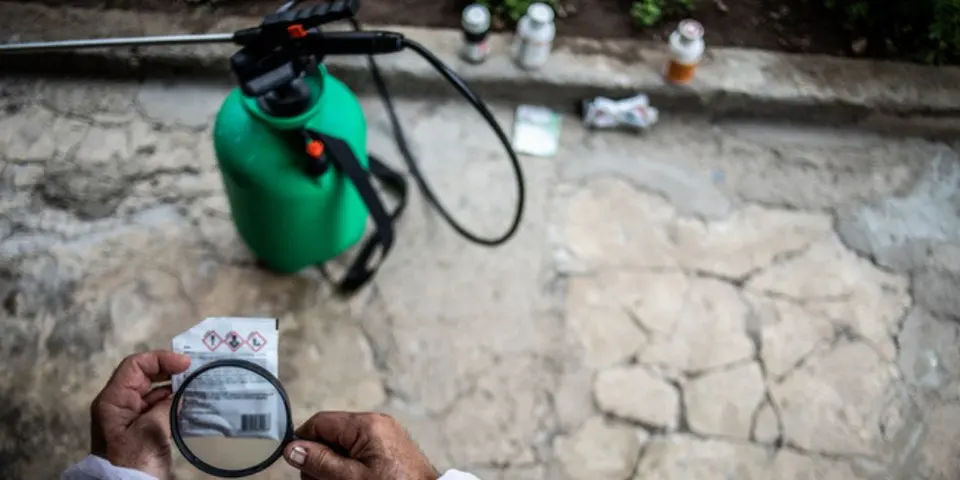
Conventional treatment is a structured pest management strategy that combines chemical applications with systematic inspections to eliminate bed bugs. Unlike broad heat treatments that rely solely on high temperatures, conventional treatment focuses on applying carefully formulated products directly where bed bugs hide.
The goal is to target multiple life stages — adults, nymphs, and eggs — ensuring the population cannot rebound after treatment. Professionals often integrate monitoring and follow-up strategies into conventional treatment plans, making it a comprehensive solution rather than a one-time fix.
Components of Conventional Treatment
A typical conventional treatment plan relies on several key components that work together:
- Chemical Treatment Products – These include residual insecticides, dusts, and liquid formulations that remain active on surfaces for days or weeks. Technicians select chemicals based on infestation severity and resistance patterns.
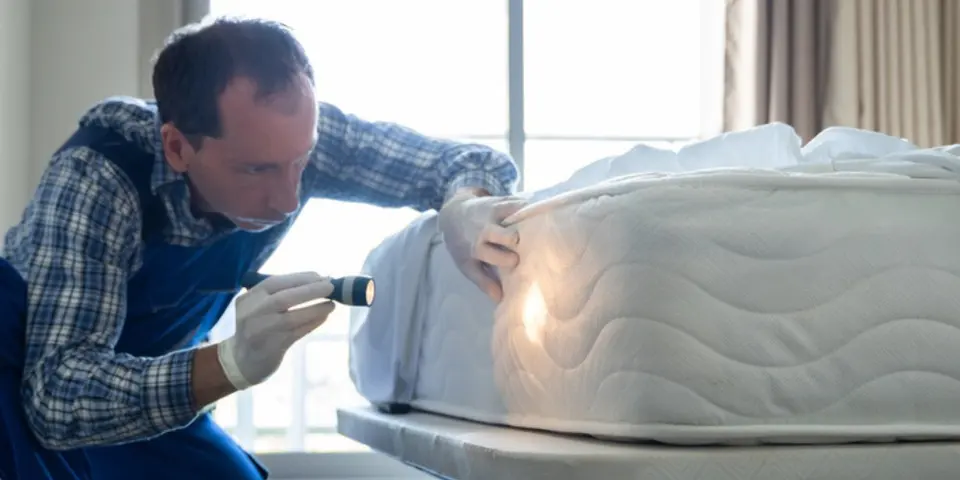
- Inspection Tools – Flashlights, magnifying glasses, and moisture meters help professionals locate hidden bugs in cracks, baseboards, furniture joints, and wall voids.
- Monitoring Devices – Sticky traps, interceptor cups, and sensors detect ongoing activity and allow technicians to adjust treatment strategies over time.
- Integrated Follow-up Plans – Scheduled inspections and reapplications ensure that newly hatched nymphs do not survive and re-infest treated areas.
These components work together to make conventional treatment effective, but they require professional knowledge to be applied safely and efficiently.
How Conventional Treatment Is Applied
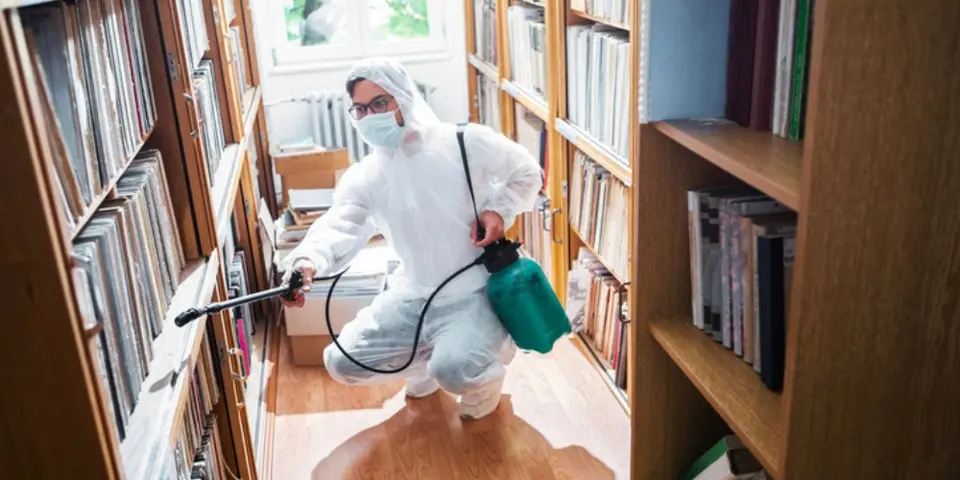
During conventional treatment, pest professionals carefully map out the infested area before applying chemicals. They check every possible hiding spot, including bed frames, furniture seams, cracks in walls, and the cluttered regions, to make sure nothing escapes attention.
Chemical applications are strategic rather than random. Residual sprays coat surfaces where bed bugs are likely to walk, dust formulations penetrate wall voids and furniture joints, and liquid treatments may be used in deeper crevices. This approach exposes bed bugs at all life stages to the treatment.
While bed bug heat treatment kills insects quickly with temperature, conventional methods continue to protect treated areas for weeks, preventing survivors from re-establishing colonies. Professionals also coordinate with homeowners to safely remove or protect sensitive items, which DIY attempts often overlook.

Why Professionals Should Handle Conventional Treatment
Conventional treatment may seem simple, but improper application can make infestations worse. Homeowners who try DIY chemical treatments often apply the wrong dosage, miss key hiding spots, or use incompatible products, allowing bed bugs to escape and spread.
Licensed pest professionals bring expertise in:
- Product Selection – Choosing insecticides based on resistance patterns and household safety.
- Application Techniques – Applying chemicals where bed bugs hide without contaminating surfaces or harming residents.
- Integrated Planning – Combining chemical treatment with monitoring, follow-ups, and optional heat treatment for severe cases.
- Regulatory Compliance – Handling and disposing of chemicals according to local guidelines to ensure safety.
Professionals also educate homeowners on what to prepare before treatment and how to maintain effectiveness afterward, thereby reducing the risk of reinfestation. Attempting conventional treatment without guidance often wastes money and leaves a persistent infestation behind.
When to Consider Conventional Treatment
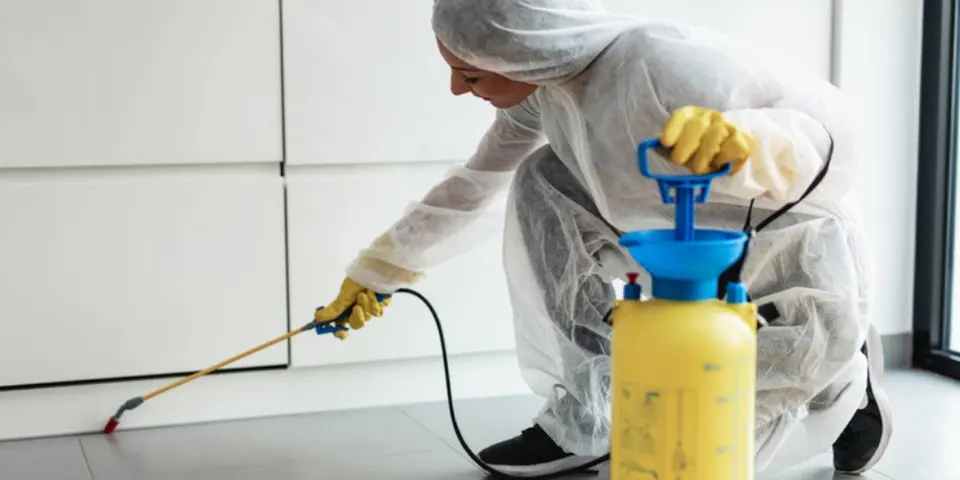
Conventional treatment is particularly effective in situations such as:
- Localized Infestations – Precise chemical application is most effective when bugs concentrate in only a few rooms or units.
- Multi-Stage Infestations – Residual chemicals kill nymphs and newly hatched eggs, which heat alone cannot address over time.
- Heat-Sensitive Environments – Electronics, delicate furniture, or vinyl flooring may not tolerate full-room bed bug heat treatment, making conventional treatment safer.
- Ongoing Prevention – Regular inspections and selective chemical applications maintain control in high-risk areas such as apartments, dormitories, and hotels.
Integrating conventional treatment with bed bug heat treatment when necessary provides both immediate population reduction and long-term protection.
Maximizing Treatment Success
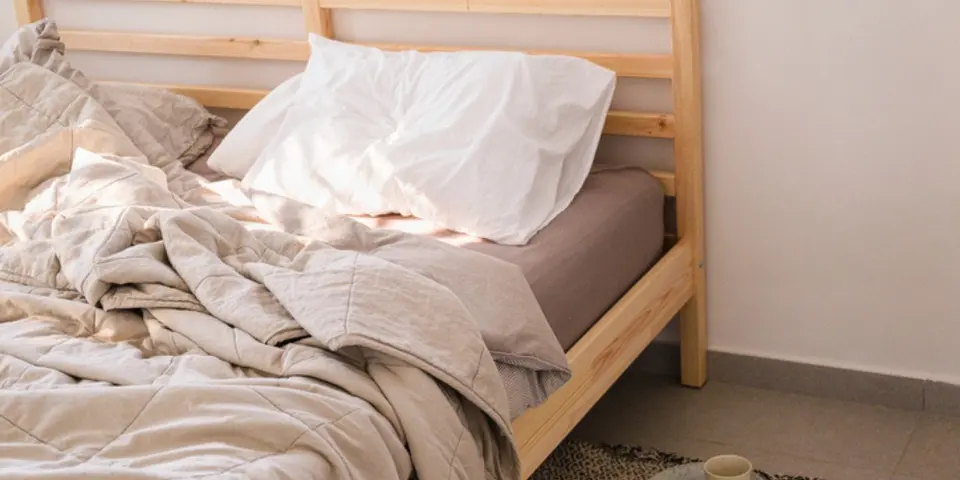
Proper preparation makes all the difference in achieving lasting results with conventional treatment. How you prepare your home directly affects how well chemicals and optional bed bug heat treatment reach hidden insects. By taking a few key steps, you give professionals the access and conditions they need to eliminate every stage of the infestation.
- Reduce clutter to give technicians access to baseboards, bed frames, and furniture seams.
- Wash and dry bedding, curtains, and clothes at high temperatures, then seal them in airtight bags.
- Avoid using DIY sprays or foggers before professional service, as residues can reduce effectiveness.
- Schedule follow-ups and inspections to ensure professionals eliminate any remaining insects.
These actions ensure chemical treatments and heat applications work together efficiently, increasing the chances of total bed bug control.
Make the Bugs Regret Their Choice
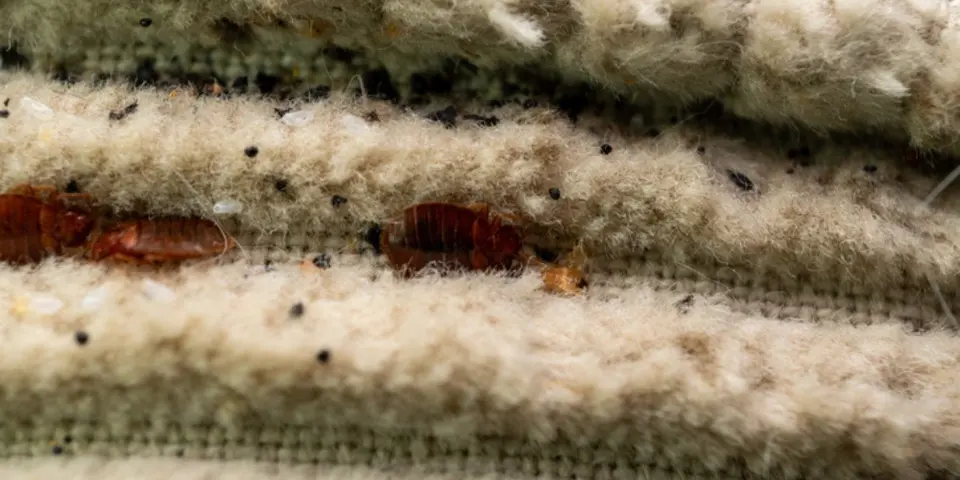
When applied correctly, conventional treatment offers precise control, residual protection, and long-term peace of mind. Combined with chemical treatment and, when appropriate, bed bug heat treatment, it addresses all life stages and prevents reinfestation.
For homeowners in need of expert support, consider conventional treatment in Oklahoma to access professionals who handle infestations safely and thoroughly. With the proper preparation and guidance, bed bugs don’t stand a chance.
References:
- Ashbrook, A. R., Scharf, M. E., Bennett, G. W., & Gondhalekar, A. D. (2019). Bed bugs (Cimex lectularius L.) exhibit limited ability to develop heat resistance. PLoS ONE, 14(2), e0211677. https://doi.org/10.1371/journal.pone.0211677
- Moore, D. J., & Miller, D. M. (2008). Field evaluations of insecticide treatment regimens for control of the common bed bug, Cimex lectularius (L.). Pest Management Science, 65(3), 332–338. https://doi.org/10.1002/ps.1685