


Emergency Pest Control Guide for Urgent Ant Infestations
Handle urgent ant infestations with fast, safe emergency pest control. Learn signs, immediate actions, and prevention tips for ant problems at home.
Ants may be tiny, but when they invade your home, their impact can be massive. A single ant may seem harmless, but a small colony can quickly multiply, contaminate food, and create trails throughout your kitchen, pantry, or even walls. Ignoring these early signs often allows the infestation to spread, making it more challenging to manage and increasing the likelihood of needing professional emergency pest control.
Even “harmless” ants can cause significant inconvenience and hygiene concerns. By understanding the signs, taking immediate steps, and preparing for professional intervention if needed, homeowners can effectively combat ant problems before they escalate.
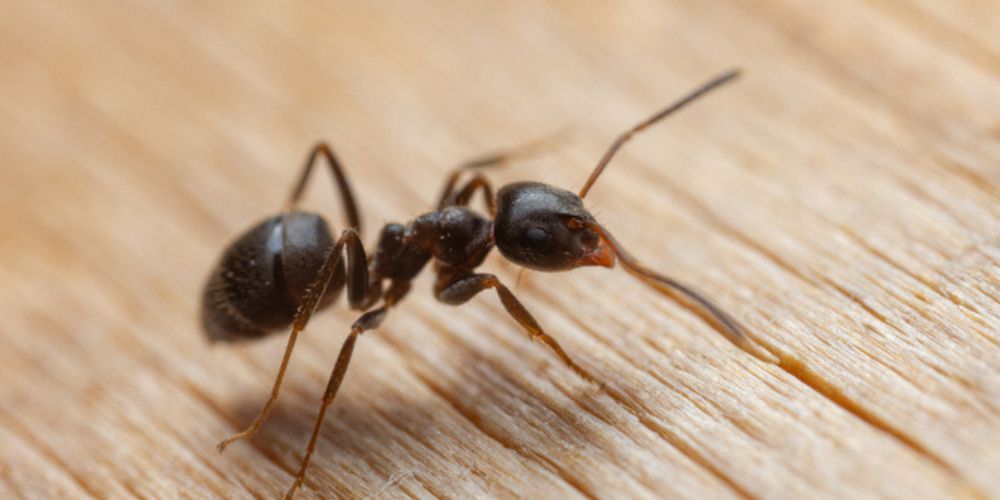
When Ant Problems Become an Emergency
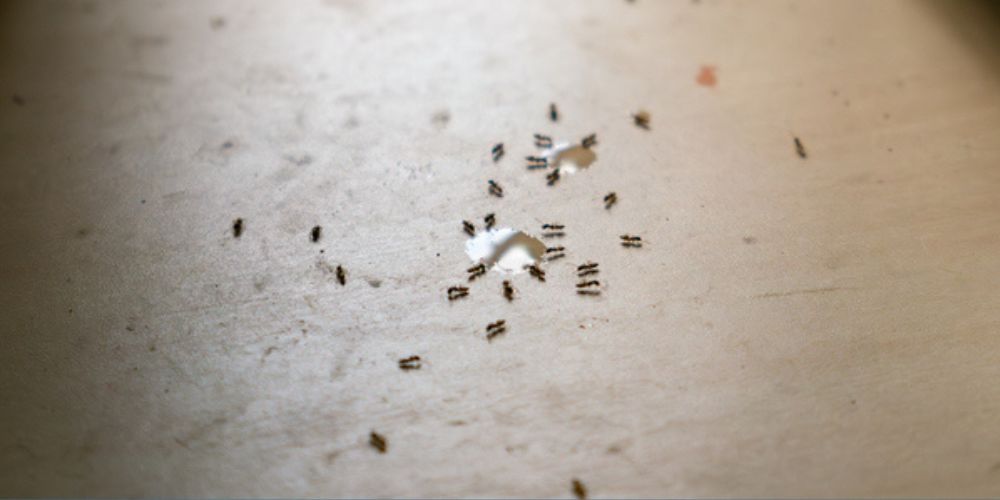
Determining when an ant situation requires urgent attention is not always obvious. A few ants on the counter are usually manageable, but there are clear indicators that your infestation is serious. Emergency situations occur when ants pose immediate risks to health, safety, or property. Large lines of ants inside food storage areas, kitchen countertops, or pantry shelves are a strong signal that fast action is required. Likewise, a sudden surge in numbers, where ant trails seem to appear overnight, is a sign that the colony is actively growing and could spread rapidly.
Carpenter ants present another reason to treat infestations as emergencies. Recognizing that ant activity is escalating beyond minor nuisance levels allows you to implement emergency pest control measures efficiently, rather than letting the problem worsen and require more intensive treatments later.
Identifying the Type of Ant
Correctly identifying the type of ant causing an infestation is crucial because it dictates the treatment approach. Misidentifying the species often leads to ineffective DIY solutions and prolonged infestations. Different ant species require different strategies, and knowing which one you’re dealing with ensures your response—whether DIY or professional—is both practical and safe.
Common ant species and their characteristics include:
- Carpenter ants:
- Chew through wood to build nests, potentially causing structural damage
- Require targeted treatments both inside and outside the home to eliminate colonies
- Sugar ants (odorous house ants):
- Primarily nuisance ants that contaminate food and form persistent trails
- Respond well to baiting systems that interrupt food foraging
- Fire ants:
- Aggressive and venomous, capable of painful stings
- Pose serious risks to children, pets, and individuals
- Pavement ants:
- Often nest under sidewalks, driveways, and foundations
- Can invade homes searching for food and require perimeter and interior control
Understanding exactly which species is causing your ant problems ensures your emergency pest control approach is precise, reducing the chance of mistakes and preventing the infestation from worsening.
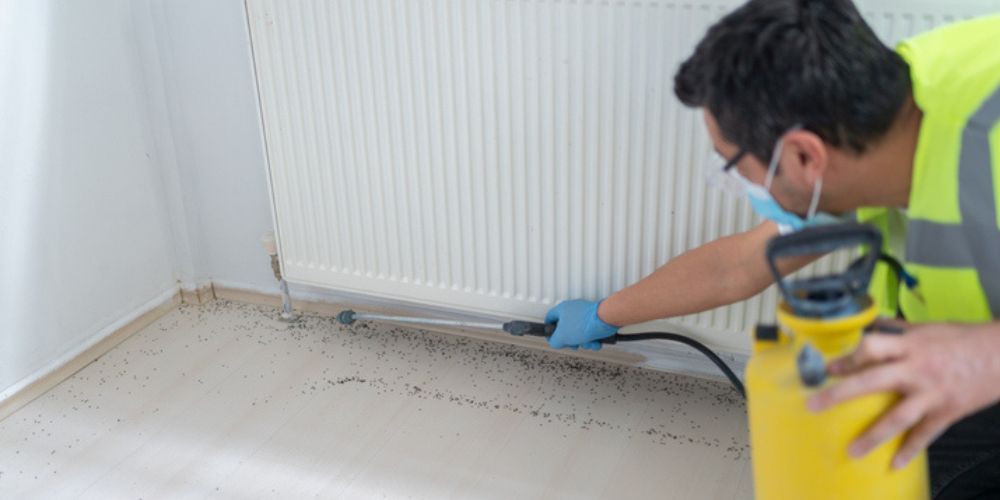
Immediate Steps for Emergency Pest Control
When ants invade in numbers that qualify as an emergency, swift action is essential. The priority is to secure the area.
- Keep children and pets away from the infestation: Protect them from bites, stings, and contact with contaminated surfaces to reduce risks during emergency pest control.
- Assess the scope of the problem: Checks if the activity stays in a single kitchen cabinet or spreads across multiple rooms to gauge the severity of ant problems.
- Decide on next steps: Understanding the extent of the infestation helps determine whether temporary DIY measures will suffice or if professional emergency pest control is required.
After securing the area and assessing the situation, homeowners can implement practical steps to contain and reduce ant activity:
- Clean up spills and crumbs: Remove all visible food particles to prevent further ant problems.
- Wipe ant trails: Use soapy water or vinegar to disrupt pheromone pathways and confuse worker ants, aiding in effective emergency pest control.
- Set temporary bait stations: Place them strategically in areas ants frequent, keeping them out of reach of pets and children to manage ant problems safely.
- Block entry points: Seal gaps around doors, windows, pipes, and other openings to reduce further intrusion, a key step in emergency pest control.
- Remove standing water: Dry surfaces and fix leaks to limit moisture that attracts ants and other pests, helping prevent new ant problems.
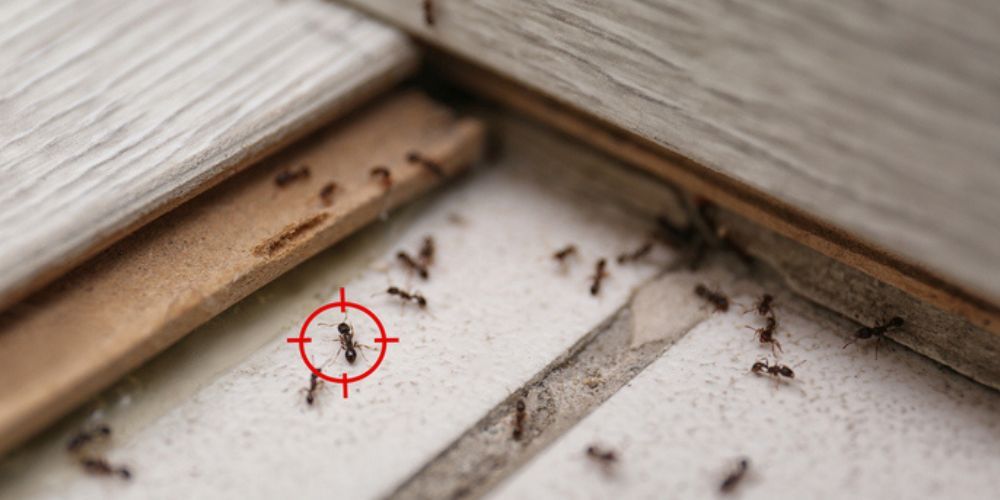
DIY Solutions That Actually Work
For homeowners who want to act immediately, some DIY strategies can buy time until professionals arrive. These steps won’t eliminate large infestations, but they can reduce activity and give you time to call experts.
- Targeted baiting: Slow-acting baits disrupt the colony and reduce visible ant problems.
- Clean food and water sources: Wiping down counters and storing food help prevent new ant problems.
- Natural deterrents: Vinegar, lemon juice, or essential oils can temporarily slow ants, aiding emergency pest control.
- Routine cleaning habits: Regular sweeping and sealing containers help prevent minor issues from becoming urgent emergency pest control situations.
For aggressive infestations, particularly carpenter or fire ants, professional emergency pest control is necessary to protect your home and health.

When to Call Professionals
Some ant infestations are too severe or risky to manage alone. Persistent trails despite baiting, visible wood damage from carpenter ants, or large infestations in food storage areas all indicate the need for professional intervention. Professionals bring specialized knowledge, targeted chemicals, and equipment that ensure effective eradication without creating additional risks to your family or pets.
Acting Smart During an Infestation
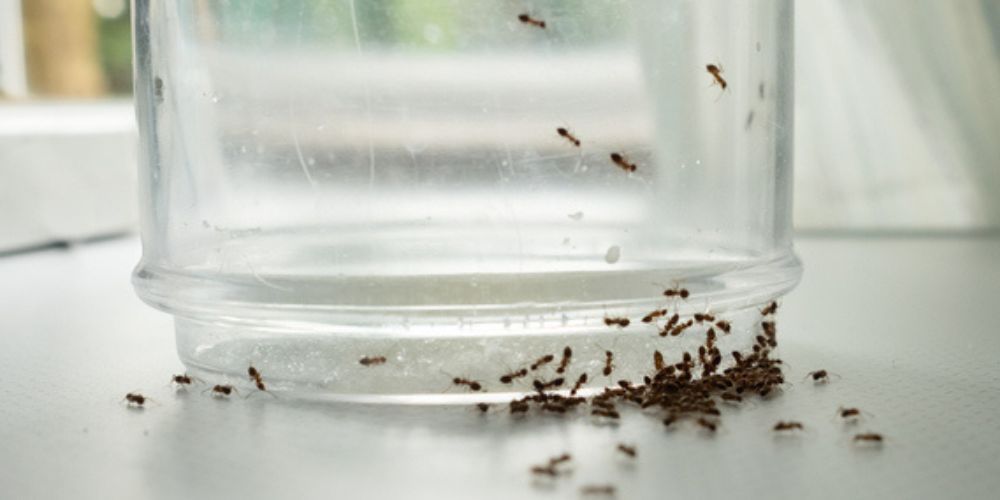
Emergencies can feel overwhelming, but staying calm and deliberate makes a difference. Assess the severity, implement initial containment measures, and know when to call professionals. Fast action doesn’t mean reckless action; avoid spraying chemicals indiscriminately or disturbing colonies in ways that may worsen the problem.
Finally, professional emergency pest control in Sand Springs, OK, provides targeted treatments that remove both visible ants and hidden colonies, restore safety, and reduce the risk of recurrence. Quick, informed action ensures that even urgent infestations are manageable, and your home can return to a clean, pest-free environment.
References:
- Ants | MU Extension. (2008, November 1). Retrieved from https://extension.missouri.edu/publications/g7392
- Simothy, L., Mahomoodally, F., & Neetoo, H. (2018). A study on the potential of ants to act as vectors of foodborne pathogens. AIMS Microbiology, 4(2), 319–333. https://doi.org/10.3934/microbiol.2018.2.319