


Hire Same-Day Bed Bug Treatment After Hotel Guest Complaints
Learn how hotels should respond to bed bug complaints, confirm infestations, isolate rooms, arrange same-day treatment, and prevent further hotel spread.
A hotel guest who reports bed bugs needs a quick, professional response. However, staff should not assume that bites alone confirm an infestation. Managers must assist the guest, document the complaint, restrict access to the room, and arrange an inspection.
When technicians find reliable evidence, same-day bed bug treatment can limit operational disruption and reduce the risk of pests spreading to additional rooms. A clear response plan also protects guest confidence while helping housekeeping, maintenance, and management teams coordinate their next steps.

Responding Calmly to the Guest
First, staff members should listen carefully without dismissing the complaint or immediately accepting blame. A calm response shows respect and prevents an uncomfortable situation from escalating. Employees should thank the guest for reporting the concern and explain that management will investigate promptly.
Next, the hotel can offer practical assistance. Depending on internal policies and room availability, staff may relocate the guest, arrange an inspection, or assist with managing potentially affected belongings. However, employees should avoid moving luggage directly into another guest room because a bag could carry bed bugs.
Staff should document important details, including:
- Guest name and contact information
- Original room number
- Date and time of the report
- Location of suspected activity
- Photographs or physical evidence
- Recent room changes
- Actions taken by employees
Meanwhile, managers should notify the designated pest professional. Early communication can help secure same-day bed bug treatment when an inspection confirms activity. Throughout the process, employees should protect the guest’s privacy and avoid discussing the complaint in public areas.
Confirming the Need for Same-Day Bed Bug Treatment
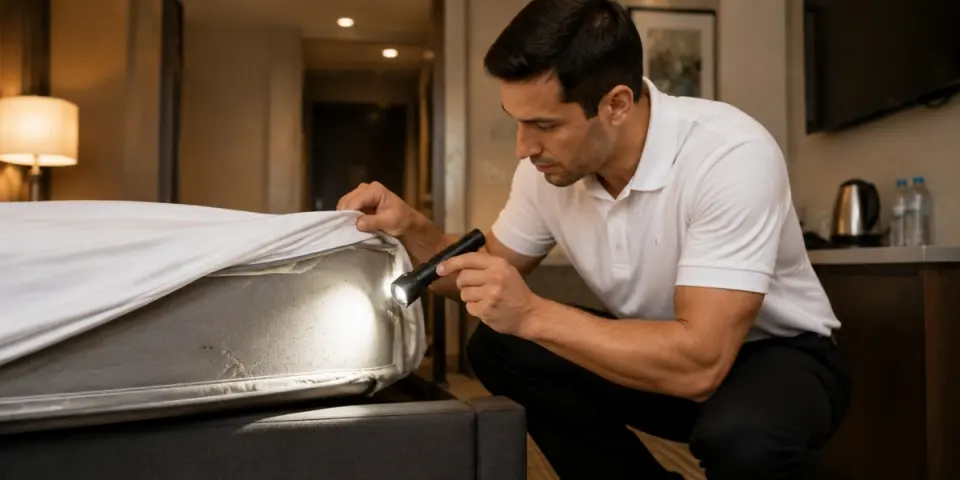
Bites alone cannot confirm bed bugs. Mosquitoes, fleas, allergic reactions, and several skin conditions can create similar marks. In addition, people respond differently to bites, and some guests may show no visible reaction. Therefore, hotel staff should never diagnose a problem from a rash or a photograph of the skin.
A trained inspector should examine the room for physical evidence such as:
- Live bed bugs
- Eggs and eggshells
- Shed skins
- Dark fecal spots
- Blood marks
- Established harborages
The inspection should focus on mattress seams, box springs, bed frames, headboards, nightstands, upholstered furniture, and baseboards. Technicians may also inspect luggage racks, curtain edges, wall fixtures, and gaps near electrical outlets.
If the inspector confirms an infestation, management can authorize same-day bed bug treatment based on the room’s condition and the hotel’s protocol. Professional identification matters because carpet beetles, bat bugs, fleas, and other insects can resemble bed bugs or create signs that resemble bed bugs. Accurate identification prevents unnecessary treatment and room closures.
Taking the Room Out of Service
Once staff members receive a credible complaint, management should temporarily remove the room from inventory. This step prevents another guest from entering before the inspection. Staff should also restrict unnecessary access and post an internal notice that protects guest privacy.
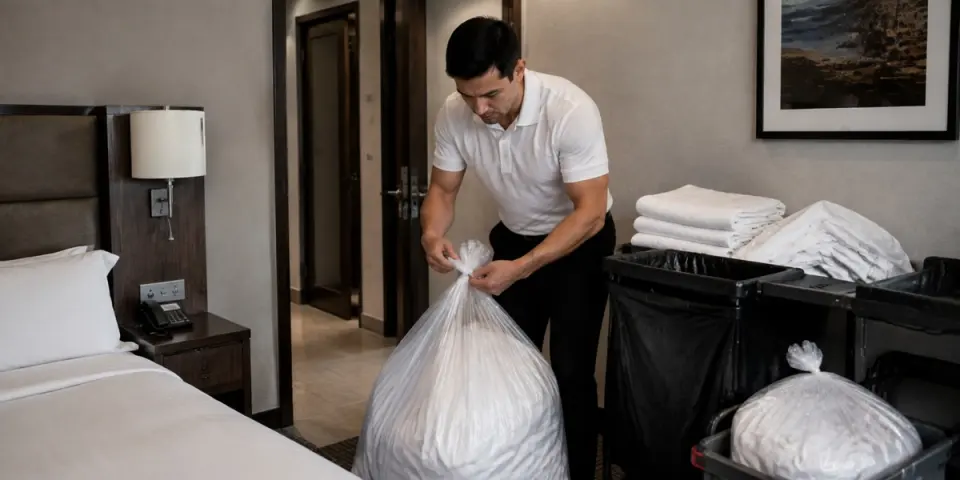
Managers must notify housekeeping immediately. Employees should not strip the bed, vacuum the room, or move linens into a hallway unless the pest professional provides specific instructions. Premature cleaning can remove evidence and spread bugs to carts, laundry bags, or neighboring areas.
The hotel should contain loose items before arranging same-day bed bug treatment. Staff may need sealed bags or designated containers for linens and other removable materials. They should clearly label every container and keep it within the controlled treatment process.
Maintenance teams can help technicians access headboards, wall fixtures, utility openings, or fixed furniture. However, they should not move these items before the inspection. Coordinated access allows professionals to document the original conditions, locate hiding places, and select an appropriate treatment without creating additional routes for dispersal.
Inspecting Connected and Recently Occupied Rooms
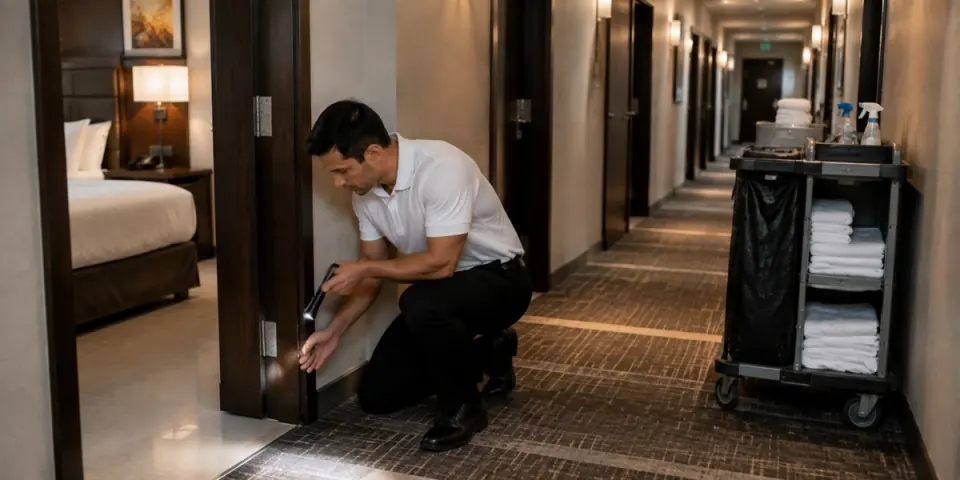
Bed bugs can move through structural gaps or travel on luggage, clothing, linens, and cleaning equipment. Therefore, inspecting only the reported room may overlook activity elsewhere. Technicians should evaluate rooms that share walls, floors, ceilings, utility lines, or housekeeping routes with the affected space.
A hotel may need to inspect:
- Rooms on both sides
- Rooms directly above and below
- Linen closets
- Housekeeping storage areas
- Laundry transfer points
- Recently occupied connected rooms
Management should also review the room history. Previous complaints, maintenance requests, guest relocations, and housekeeping notes may reveal earlier warning signs. If another guest recently stayed in the room, the hotel should preserve accurate records and follow its notification policy.
Housekeeping routes deserve attention because carts, bags, vacuums, and linens move between rooms throughout the day. Inspectors can check these items when evidence suggests a possible transfer. If they identify activity outside the original room, management may need to expand the same-day bed bug treatment rather than address one space in isolation.

Documenting Same-Day Bed Bug Treatment
Detailed records help managers track the response and decide when the hotel can safely return a room to service. The file should include the original complaint, inspection findings, photographs, confirmed pest identification, affected areas, and staff actions.
After same-day bed bug treatment, management should request a service report that records:
- Rooms and areas treated
- Treatment methods
- Products or equipment used
- Preparation procedures
- Safety and re-entry instructions
- Technician observations
- Recommended follow-up dates
Next, managers should update the room status in the hotel’s internal system. Employees need to know whether the room remains restricted, requires maintenance, or awaits another inspection. This communication prevents accidental booking before the responsible manager or pest professional provides clearance.
Turn a Complaint Into a Controlled Hotel Response
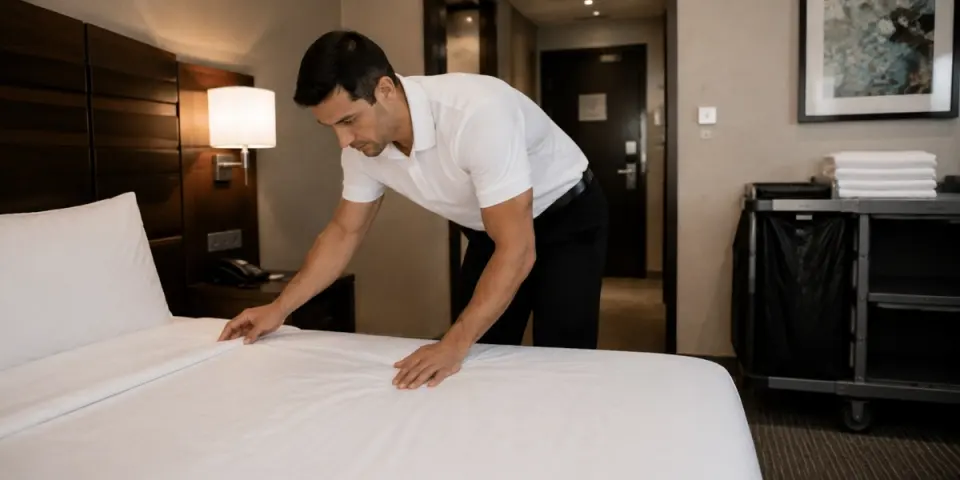
A bed bug complaint does not need to create confusion across the property. Professional inspections help management distinguish confirmed activity from unverified bite reports.
Finally, managers should continue to monitor the treated room and connected spaces after service to ensure infestation doesn’t recur. For urgent local support, managers can arrange same-day bed bug removal in Tulsa based on the property’s needs.
References:
- Porras-Villamil, J. F., & DeVries, Z. C. (2026). Clinical manifestations of bed bug bites: A systematic review of case reports. PLoS ONE, 21(4), e0341398. https://doi.org/10.1371/journal.pone.0341398
- Wilson, M. M., & Miller, D. M. (2022). Quantification of fecal spot production as a measure of environmental contamination based on common bed bug (Hemiptera: Cimicidae:Cimex lectulariusL.) population size. Journal of Economic Entomology, 115(5), 1637–1649. https://doi.org/10.1093/jee/toac069