


How Certain Kitchen Habits Affect Effective Ant Control
Ants are opportunistic creatures because they seek food, water, and shelter, and minor lapses in cleanliness or organization provide all three. Therefore, understanding how your habits affect ant control is key to preventing a growing ant infestation and protecting your home from these unwelcome guests.
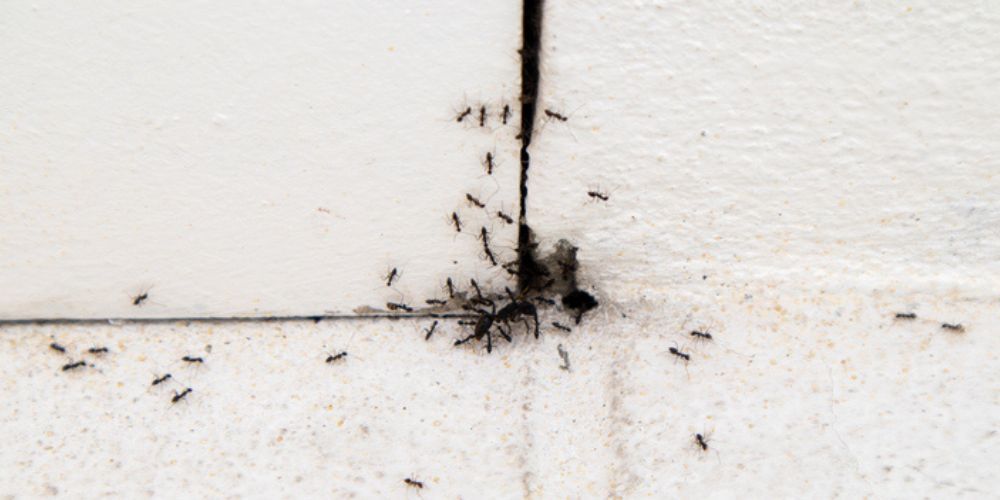
Even well-maintained homes can experience ant activity when everyday habits create opportunities for infestations. Ants leave pheromone trails that guide others to food, meaning that even a small oversight can quickly escalate. Several typical behaviors increase ant activity:
- Leaving crumbs or spills unattended: Tiny bits of food on countertops, floors, or behind appliances become an open invitation for ants.
- Improperly stored groceries: Open packages, cardboard boxes, or containers with loose seals give ants easy access to food sources.
- Standing water or damp areas: Sinks, leaking pipes, or condensation provide hydration that ants need to survive.
- Cluttered surfaces: Piles of papers, napkins, or grocery bags create hiding spots and reduce visibility of early ant activity.
Recognizing these habits is the first step toward effective ant control. Even small adjustments can make a big difference in reducing ant presence and preventing infestations from spreading.

Proper storage plays a crucial role in limiting ant access to your kitchen. Implementing organizational habits alongside professional ant control measures strengthens your defense against infestation:
- Seal all containers: Airtight jars or boxes prevent ants from reaching cereals, sugar, snacks, and pet food. Using clear containers also helps you spot early signs of an ant infestation.
- Raise and rearrange food: Keep food on shelves, place older items at the front, and prevent crumbs and spills that attract ants.
- Create tidy workspaces: Keep countertops and food storage areas clear of clutter to limit pathways that draw ants.
- Frequent checks: Examine packaging for damage and look for early indicators of ant activity, such as small trails or missing food bits.
These strategies not only reduce exposure but also make your home less attractive to ants. Pairing them with professional ant control enhances results and prevents persistent infestation.

Even a well-organized pantry cannot prevent ant activity without proper cleaning routines. Ants exploit crumbs, spills, and other residues, making regular maintenance a necessity for effective ant control:
- Daily cleaning: Wipe countertops, sweep floors, and remove visible crumbs or sticky residues. Immediate cleanup reduces the chance that ants establish a trail.
- Weekly deep cleaning: Move appliances, clean under cabinets, and scrub sink drains to eliminate hidden food sources.
- Dispose of trash regularly: Empty bins often, especially those containing food scraps, to prevent ants from finding easy access.
- Maintain pet feeding areas: Clean up spilled food and avoid leaving pet water or food out overnight to prevent contamination.
Consistency is crucial because ants are quick to exploit even minor security lapses. Regular cleaning combined with targeted ant control ensures your home stays safe from infestation.
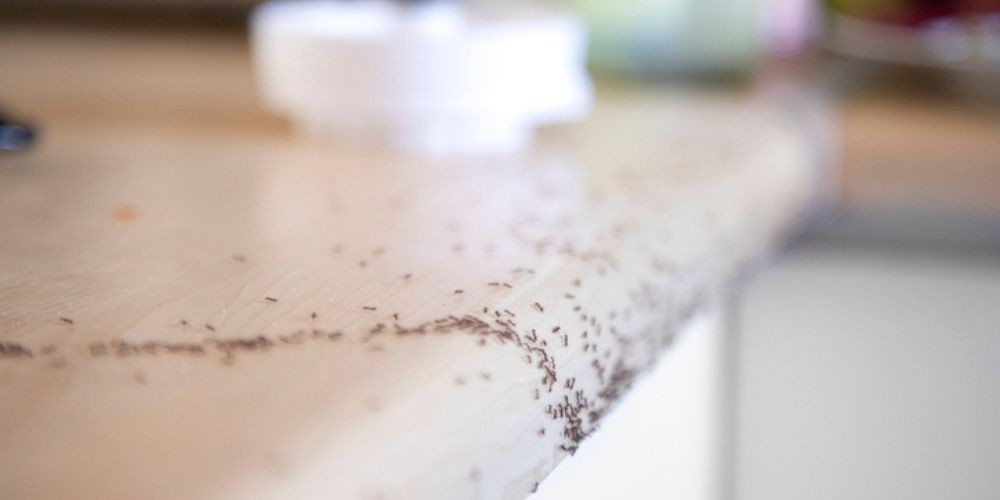
Early detection is crucial to containing a full-blown ant infestation. Spotting activity before it spreads lets you take timely action with professional ant control or preventive measures:
- Visible ant trails: Ants often move in lines along walls, countertops, and pantry edges. Following these trails can reveal their entry points.
- Missing food or sugar: Small gaps or crumbs vanishing faster than expected can indicate the presence of ants.
- Clusters in hidden areas: Ants may congregate under sinks, behind appliances, or near moisture sources.
- Eggs or larvae: In some cases, you may see small clusters in damp or sheltered areas, signaling a developing infestation.
Immediate action at this stage prevents ants from multiplying and spreading throughout your kitchen and home.
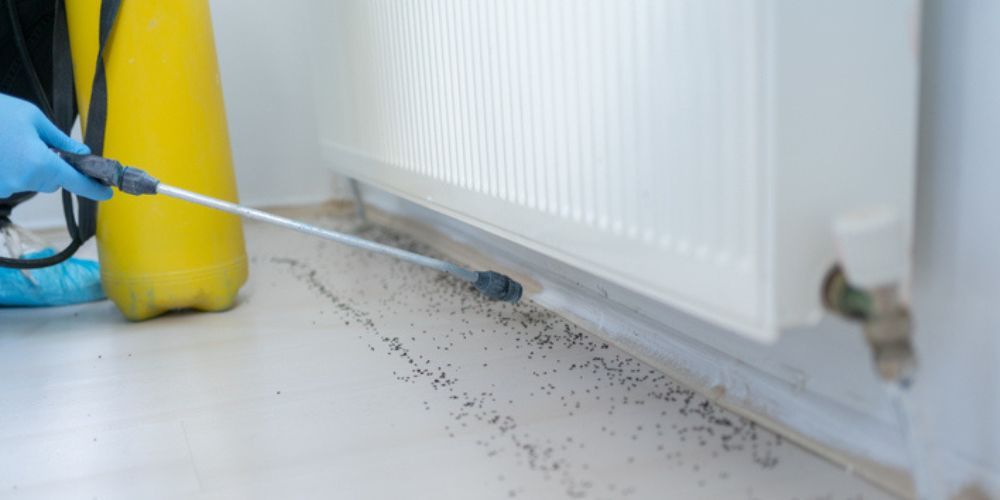
Addressing ant activity requires more than just cleaning, as it demands a strategic technique that targets both the visible ants and their hidden nests. Effective ant control involves multiple tactics:
- Seal entry points: Close gaps in doors, windows, baseboards, and walls to reduce ant entry.
- Eliminate attractants: Remove crumbs, store food properly, and keep surfaces dry.
- Baiting and treatments: Use targeted ant baits or professional-grade interventions to reduce colony populations.
- Monitor activity: Regularly check common entry points and kitchen areas to detect new trails or signs of an ant infestation.

Your kitchen layout also influences ant activity and impacts the success of ant control efforts. A few design adjustments can make your home less appealing to ants:
- Open, visible shelving: Reduces hiding spots and makes it easier to notice early signs of infestation.
- Smooth surfaces, such as countertops, shelves, and floors without cracks, limit ant harborage.
- Proper lighting: Brightly lit areas discourage nocturnal ants from traveling unseen.
- Accessible cleaning zones: Ensure every corner of your kitchen is easily accessible for regular cleaning and inspection.
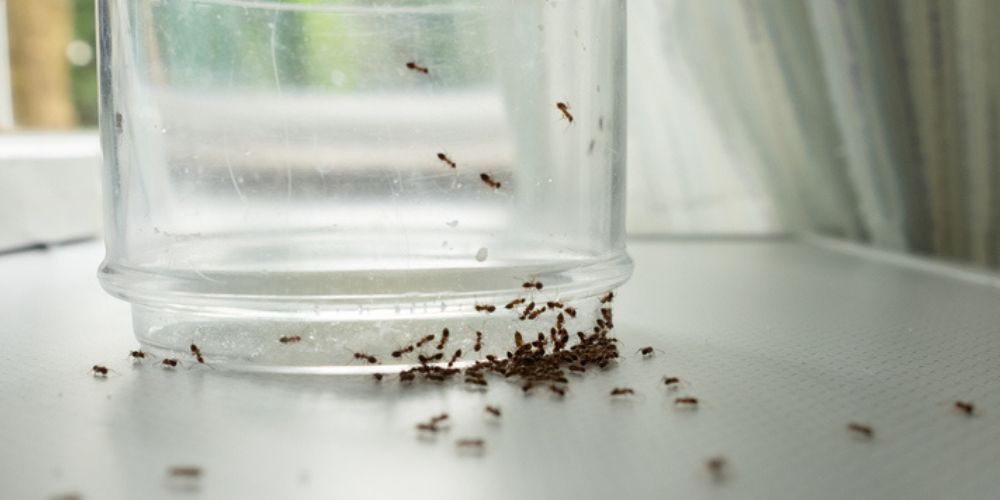
Even with an organized and clean kitchen, simple day-to-day habits make a noticeable difference in ant control:
- Wipe up spills immediately instead of leaving them for later.
- Avoid leaving fruit bowls or sweet snacks uncovered.
- Inspect bags, boxes, and pantry shelves regularly for early ant activity.
- Educate household members on proper food handling and cleanup routines.
These habits reinforce professional ant control efforts and ensure that minor oversights do not escalate into a persistent ant infestation.

Preventing ants in your kitchen requires a combination of proactive habits, thoughtful design, and expert intervention when necessary. Additionally, professional ant control adds an extra layer of security, tackling colonies that are difficult to reach and preventing recurrence.
Take charge of your kitchen today and implement these strategies to maintain a pest-free environment. Protect your food, family, and home with reliable ant control in Muskogee, OK, now!
Reference:
- Chalissery, J. M., Renyard, A., Gries, R., Hoefele, D., Alamsetti, S. K., & Gries, G. (2019). Ants Sense, and Follow, trail pheromones of ant community members. Insects, 10(11), 383. https://doi.org/10.3390/insects10110383