


How Gaps in Brick Walls Let Spiders in the House Easily
Brick homes feel solid and safe, so people often assume their walls are tight. However, even the most carefully constructed brick wall develops gaps over time. The mortar holding the bricks together can deteriorate, especially in extreme weather. That's when problems start.
You might not notice them at first, but these gaps create entry points for all sorts of pests, especially spiders in the house. And here's the thing: spiders don't need a large hole. Even a space no wider than a pencil is enough for them to slip through. Once inside the wall cavity, they can move freely throughout your home.
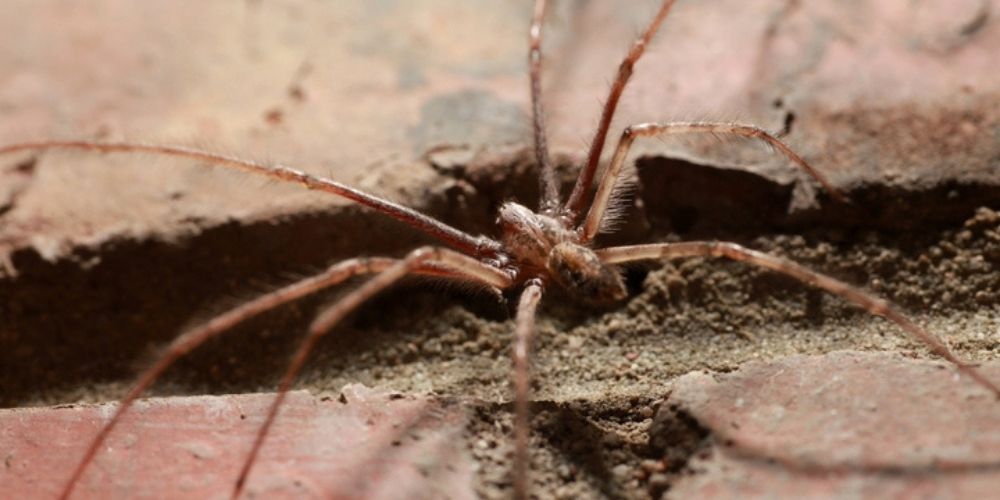
Spiders Aren't Wandering In by Accident
Spiders don't just aimlessly walk outside and accidentally end up in your living room. Some factors draw them in, and gaps in brick walls are like open invitations.
Here's what attracts them:
Warmth, especially during cooler months.
Moisture collects behind bricks and inside walls.
Access to food—in this case, other small insects.
If you've already got a few bugs sneaking in, spiders follow. So when you see spiders in the house, it often means something else has already made its way indoors. The brick wall gaps become a hidden highway for an entire pest ecosystem.
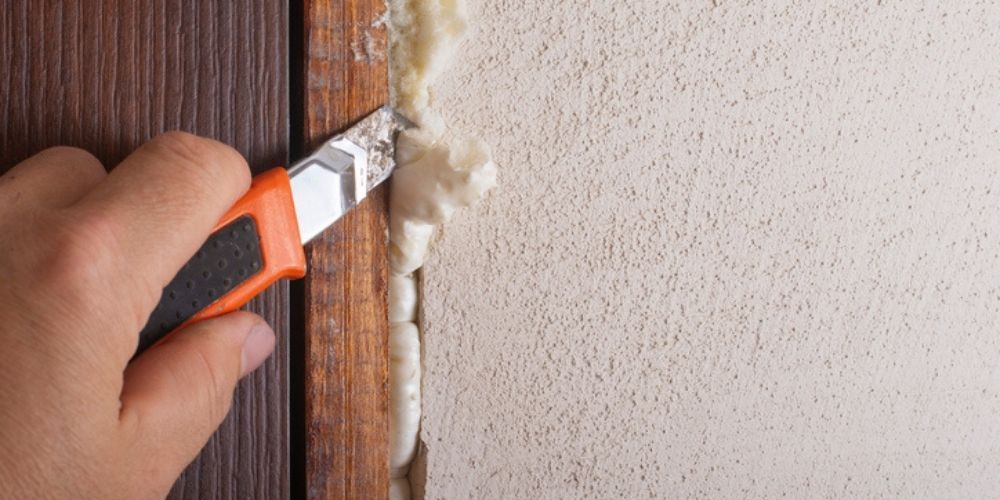
Gaps Around Windows and Doors Are the Usual Suspects
Not all gaps are randomly scattered—many form around structural features, especially windows and doors. Over time, frames shift slightly, mortar wears down, and sealants crack. The result? Narrow channels where outdoor pests crawl right in.
In brick homes, caulk or foam often fills the space between the wall and the frame. But that material breaks down faster than the bricks themselves. As soon as it crumbles, spiders in the house have an easy way to get in, often going unnoticed until they've found a quiet corner to nest.
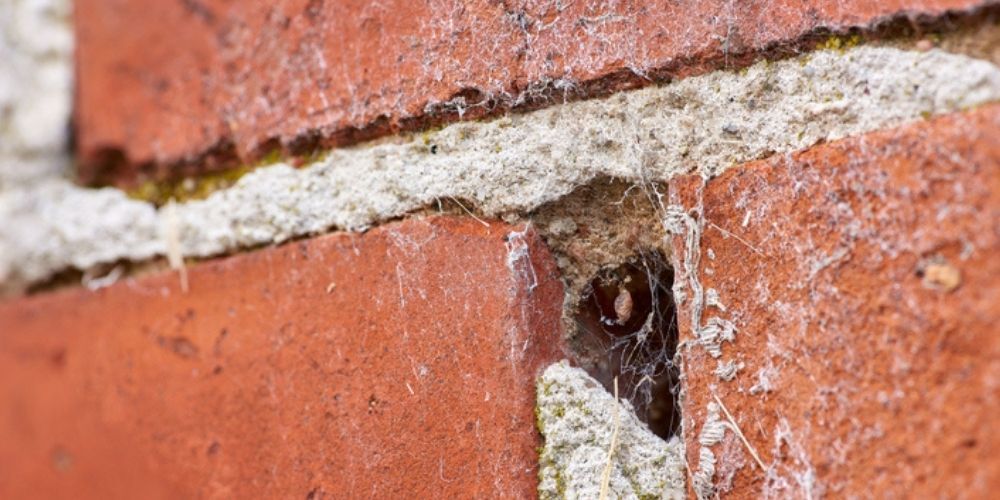
Utility Lines Are Another Secret Entry Point
Have you ever seen where your water spigot, gas meter, or air conditioning line enters your house? These spots are notorious for leaving small gaps. The seal around these pipes or cables might not be tight or eroded over time.
Spiders crawl up brick walls using their tiny claws and can easily navigate around these utility lines. When there's even the most minor crack between the line and the wall, they slip through. Before you know it, you've got spiders in the house—usually tucked away behind appliances or near baseboards.
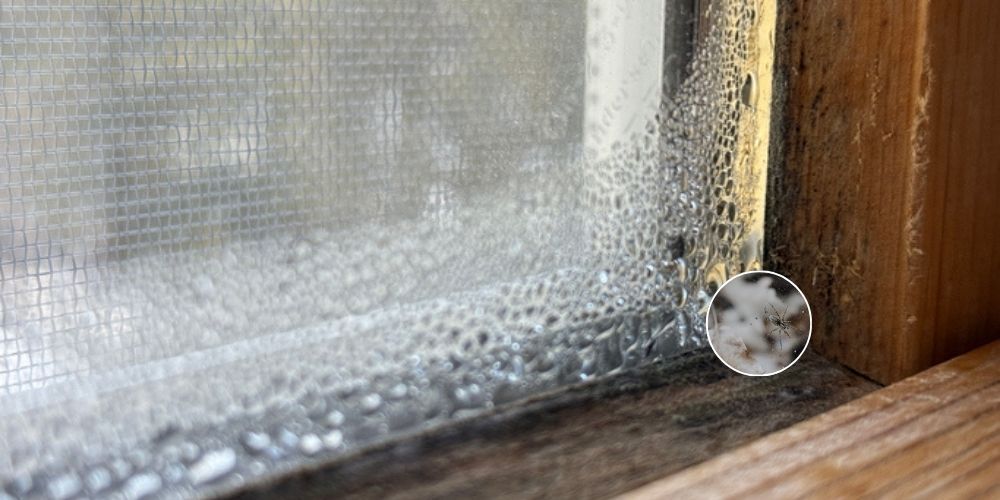
Moisture Makes Gaps Even More Inviting
Brick is a porous material. When it rains or the humidity is high, moisture seeps into the tiny spaces between bricks. Over time, that moisture can loosen mortar, causing the wall to develop even more cracks. What's worse, moist environments are a massive draw for spiders.
Behind a brick wall with moisture issues, spiders can thrive unnoticed. These dark, damp voids become the perfect habitat. Then, once temperatures drop or their food source dwindles outside, they migrate indoors. And that's when spiders in the house start making regular appearances—usually in basements, bathrooms, and laundry rooms where humidity levels stay high.
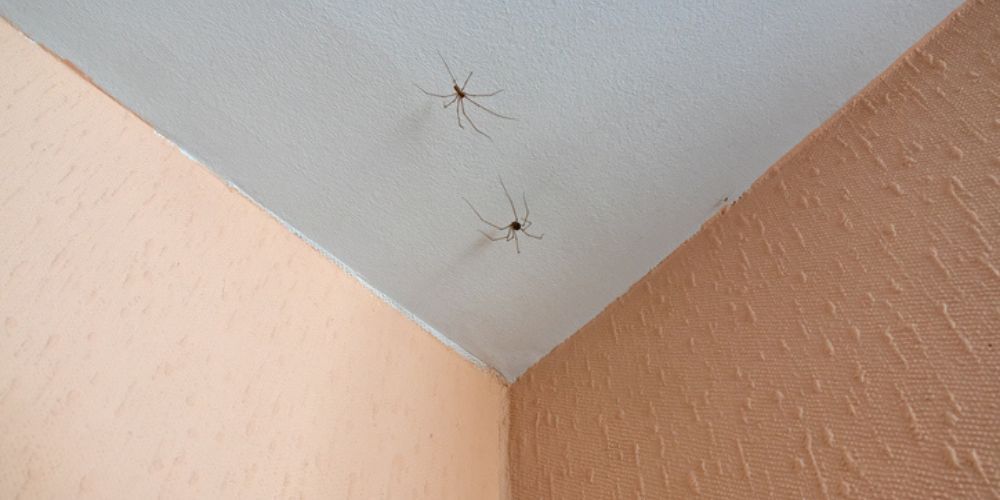
Once Inside, They're Hard to Track
The tricky part about spiders in the house is that they don't all stick to the open areas. Some may be bold enough to roam your living room, but most stay hidden in quiet, undisturbed spots.
Think:
Behind furniture
In closets
Around the ceiling corners
Inside wall voids
So even if you only see one or two, several more could hide out of sight. And since they entered through gaps you didn't even know existed, they'll likely return until you seal those entry points for good.
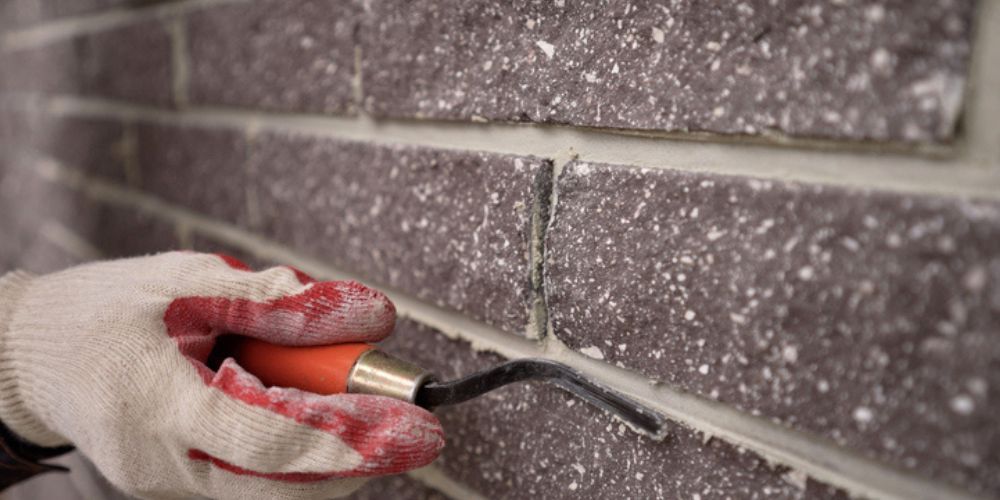
How to Spot and Seal These Gaps
The good news? You can stop spiders in the house by closely examining your brickwork and sealing the weak spots. It's not difficult—it just takes a little attention to detail.
Start by:
Inspecting the mortar between bricks. Look for crumbling or gaps.
Checking around windows, doors, and vents for cracked caulking.
Examining the perimeter where utility lines enter the home.
Use a flashlight at night to check for light peeking through from inside.
Once you spot a gap, use the appropriate sealant. For brick mortar, consider tuckpointing or applying fresh mortar. Use a durable silicone or expanding foam sealant for edges around frames and pipes. This will keep spiders out, block other pests, improve energy efficiency, and prevent future damage.
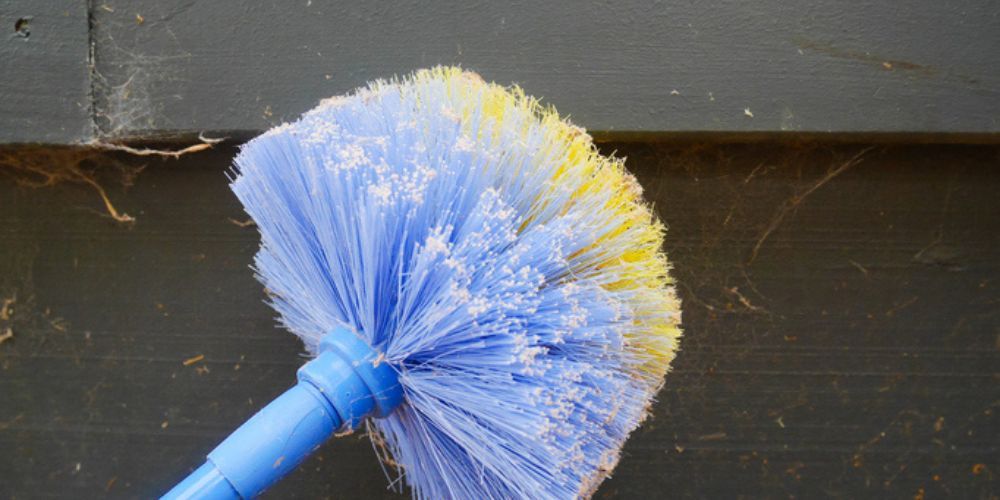
Don't Forget About the Outside Environment
Sometimes, dealing with spiders in the house means cleaning up what attracts them outside. Spiders aren't interested in your space unless it offers shelter and food, so it helps to make the exterior of your home less inviting.
Try this:
Clear away woodpiles, leaf debris, and tall grass near the brick wall.
Keep lighting near entrances minimal—light attracts insects, which attract spiders.
Regularly sweep webs from eaves, corners, and outdoor furniture.
By removing their reasons to hang around, you reduce the number of spiders even thinking about getting inside.
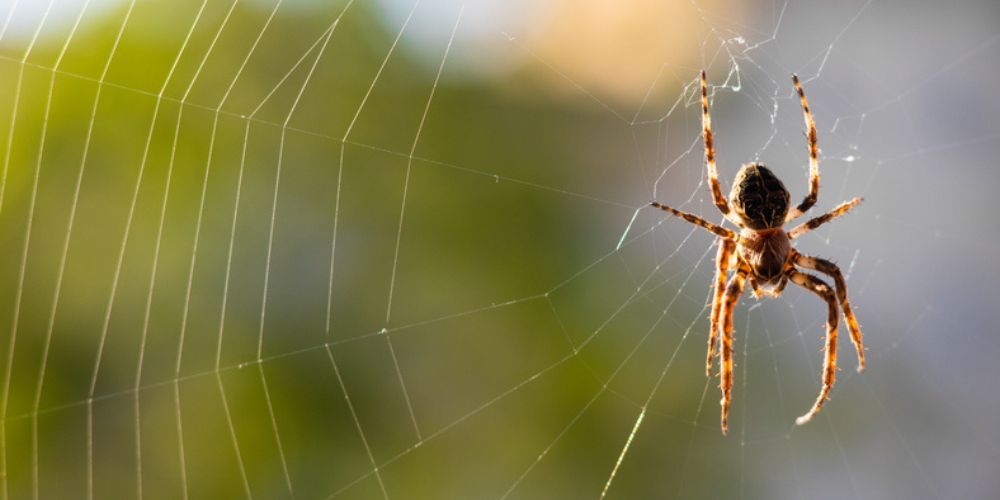
Keep Spiders From Creeping In Now!
You might not see them immediately, but tiny gaps in your brick walls are likely why you keep finding spiders in the house. They don't need much space, and once they're in, they're hard to spot—until they pop up in the middle of your floor. If you've ever wondered why there are so many spiders in my house in Oklahoma, the answer often starts with these hidden entry points.
But the fix is straightforward. Inspect your walls, seal every gap, and clean the surrounding areas. A few hours of maintenance now can save you weeks of annoyance later. The fewer entry points your home has, the fewer spiders you'll see inside—and that's a win for everyone.
References:
Nyffeler, M., Sterling, W. L., & Dean, D. A. (1994). How spiders make a living. Environmental Entomology, 23(6), 1357–1367. https://doi.org/10.1093/ee/23.6.1357