


How Oklahoma Weather Feeds Big Roach Infestations
If you live in Oklahoma, you've probably spotted one of those massive, fast-moving pests crawling across your garage floor or kitchen tile. Yes, we're talking about big roaches—American cockroaches. They're hard to miss, and unfortunately, they thrive in Oklahoma's weather conditions more than people realize. The climate here doesn't just welcome these pests; it practically rolls out the red carpet for them.
Now, let's examine why Oklahoma's weather provides big roaches with the perfect environment to multiply and why you need to stay a step ahead.
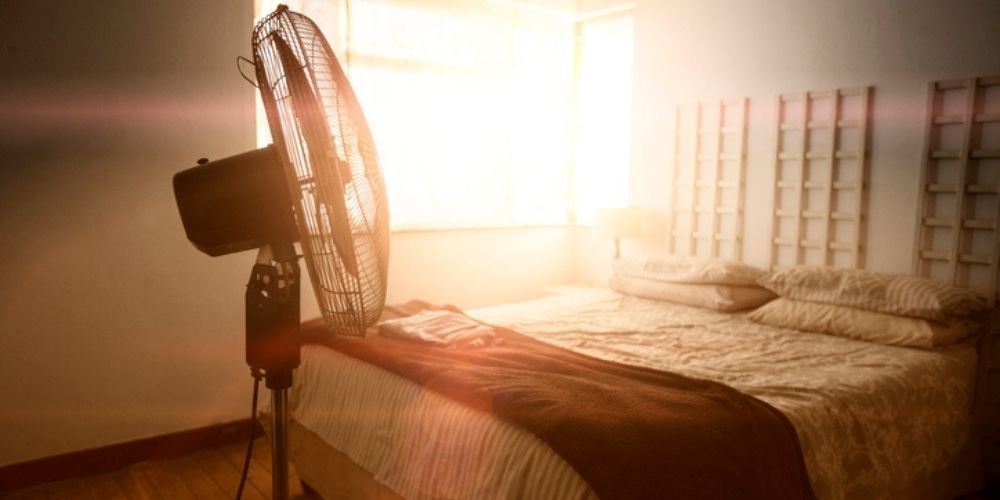
Warmth and Humidity: Roach Paradise
Oklahoma is known for its hot summers and mild winters, right? That kind of weather doesn't just make backyard barbecues enjoyable—it also gives big roaches year-round comfort. Unlike colder regions where winter temperatures slow cockroach activity, Oklahoma's climate keeps them active almost all year long.
When summer hits:
High humidity keeps areas like basements, crawl spaces, and drains damp, exactly where roaches like to hide.
Warm temperatures accelerate their reproduction cycles, making infestations proliferate.
Even outside, shaded areas stay warm enough at night to keep roaches thriving.
And then comes winter. You might think the cold would drive them away, but not quite. In Oklahoma, winters often don't get cold enough to kill off big roaches. Instead, these pests move indoors for warmth into your home's cracks, walls, and cabinets.

Sudden Weather Swings Push Roaches Inside
Anyone who's lived in Oklahoma knows how unpredictable the weather can be. It can be 75 degrees and sunny one day, then stormy or freezing the next. These quick changes don't sit well with big roaches, which rely on stable conditions to stay comfortable.
So, what do they do? They look for shelter.
That means:
Heavy rains push roaches out of sewers and storm drains, driving them into dry garages or homes.
Sudden cold snaps lead them to squeeze into wall voids, attics, and utility rooms.
Windy days stir up debris and expose their outdoor hiding spots, forcing them to move.
In short, when the weather changes, roaches respond by finding safety, usually inside your home.

Moisture from Rainstorms Creates Ideal Conditions
Let's talk about one of Oklahoma's biggest triggers for big roach infestations: rain. A spring or summer storm doesn't take much to flood low-lying areas, soak yards, and leak into crawl spaces. That leftover moisture creates ideal breeding grounds.
After a rainstorm:
Mulch beds and leaf piles become moist roach hideouts.
Standing water in gutters or trash bins gives them hydration.
Excess moisture in basements or bathrooms invites them indoors.
Roaches need three things: food, water, and shelter. Oklahoma rainstorms provide all three. You might notice more roach activity after a few wet days.
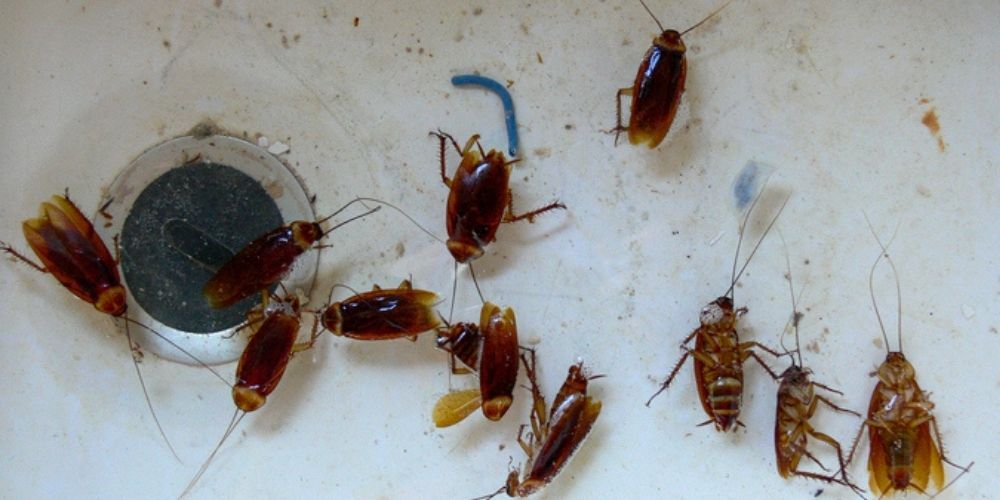
Heatwaves Supercharge Roach Activity
Oklahoma heatwaves don't just make the sidewalks sizzle—they also wake up dormant roach populations. During high temperatures, big roaches become more active, especially at night. They start exploring cooler, shaded areas and easily sneak into homes through tiny openings.
What's worse is that intense heat boosts their metabolism and reproduction rate. In other words:
They eat more, move more, and breed faster.
Eggs hatch quicker, leading to faster-growing colonies.
Roaches that were once hiding become aggressive for survival.
Heatwaves will drive these pests straight inside if your home has easy access points, such as unsealed vents, cracks under doors, or broken window screens.
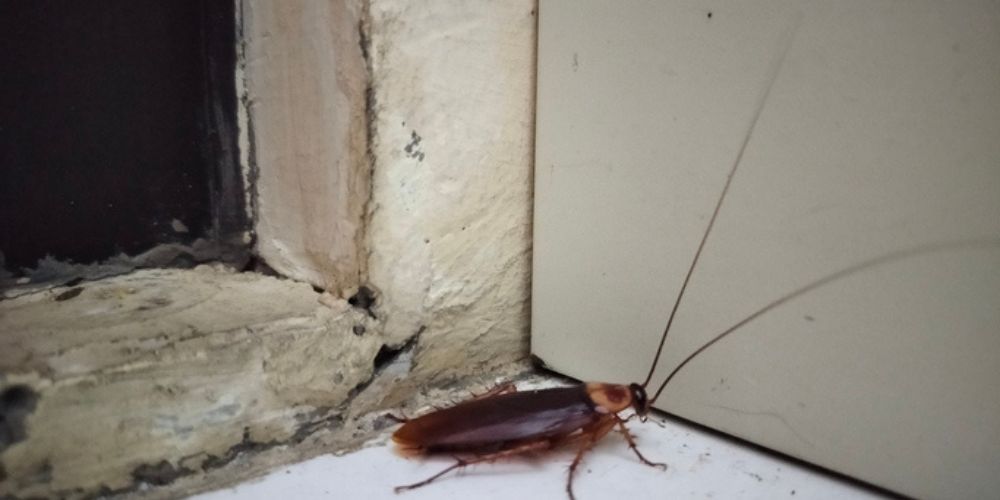
Mild Winters Let Roaches Multiply Year-Round
Unlike northern states where deep freezes help keep pest populations down, Oklahoma winters often stay warm enough for big roaches to remain active. While the cold might slow them slightly, it rarely stops them entirely.
Here's what happens during mild winters:
Roaches seek shelter in warm, humid areas inside your home.
They continue to lay eggs in wall voids, under appliances, and inside cabinets.
Infestations stay hidden until the next warm spell causes a surge in activity.
When spring arrives, those few roaches hunkered down during winter can quickly explode into full-blown infestations. That's why it's smart to treat roach issues in winter, too, not just in summer.
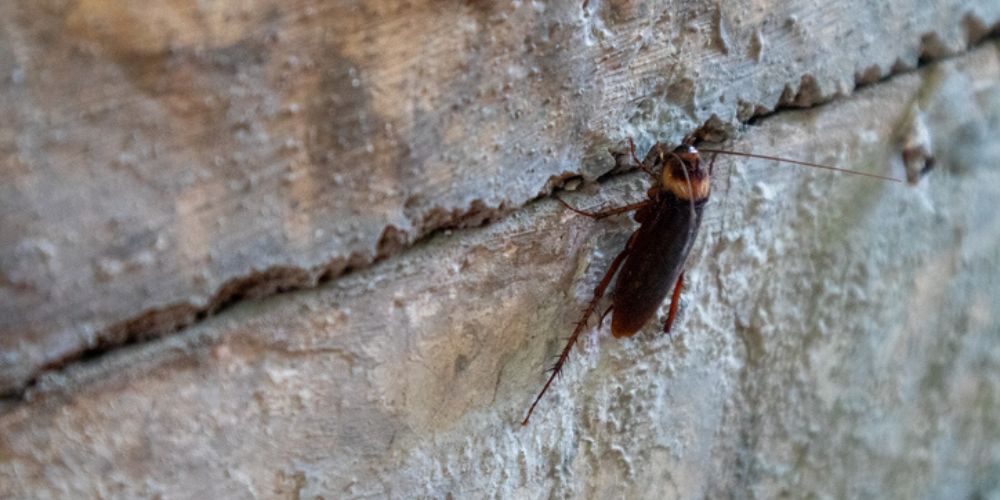
Oklahoma Homes Offer Easy Entry Points
Another factor tied to Oklahoma's weather is the condition of homes. The constant contraction and expansion caused by humidity and heat can cause gaps in siding, foundations, and window frames.
These weather-related issues lead to:
Cracks where big roaches can slip in undetected.
Warped door frames that don't seal properly.
Loose roofing materials and attic vents that give access to upper floors.
Once inside, roaches find all the comforts they need: warmth, moisture, and food crumbs. Without sealing those entry points, you're inviting them in.

Why You Need Year-Round Prevention
Learning how to get rid of big roaches in Oklahoma is not a seasonal problem but a year-round assignment. Many homeowners wait until summer to take action, but it might be too late. Consistent prevention is key to keeping infestations from growing.
Here's what helps:
Seal all crevices and cracks around windows, doors, and utility lines.
Keep kitchens clean and use sealed containers for food.
Fix leaky faucets and eliminate standing water sources.
Clear yard debris, especially after rainstorms.
Schedule routine pest control treatments—even in winter.
When things get out of hand, calling a professional makes a huge difference. Experts understand how big roaches behave in Oklahoma's climate and will use targeted strategies to eliminate them at the source.
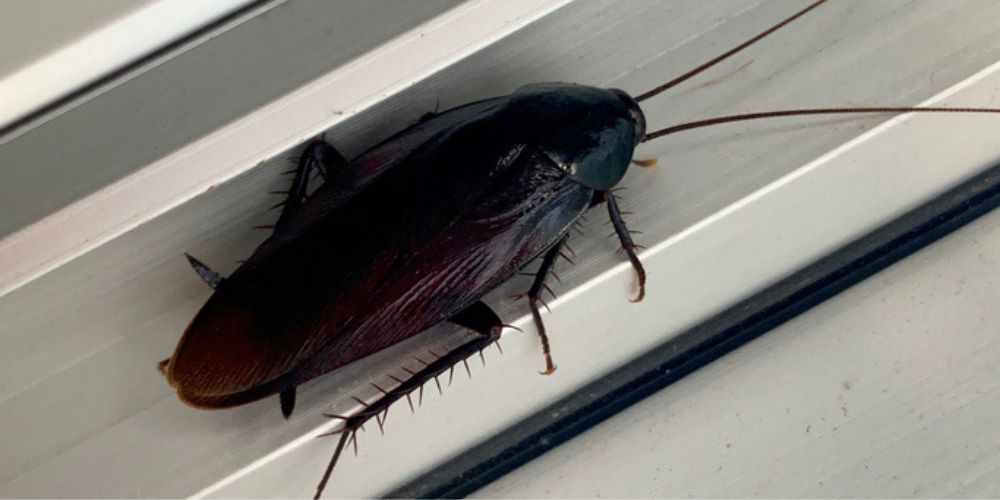
Keep These Big Roaches Out
Oklahoma's weather is the perfect storm for big roaches—literally. From humid summers and sudden storms to mild winters and heat waves, every condition here helps roaches survive, spread, and sneak indoors. That's why it's not enough to treat roaches once and forget them. Staying ahead of these pests requires a proactive, year-round plan.
References:
Hiscox, A., Spencer, F., Dennehy, J., Dyall, W., Jenkins, A., Narendran, A., . . . Jones, R. T. (2025). The impact of adverse weather events on cockroaches and flies, and the possible effects on disease. Medical and Veterinary Entomology. https://doi.org/10.1111/mve.12797
Rollo, C. D., & Gunderman, M. W. (1984). VARIATION AMONG INDIVIDUALS AND THE EFFECT OF TEMPERATURE ON FOOD CONSUMPTION AND REPRODUCTION IN THE COCKROACH, PERIPLANETA AMERICANA (ORTHOPTERA: BLATTIDAE). The Canadian Entomologist, 116(6), 785–793. https://doi.org/10.4039/ent116785-6