


How to Avoid Bringing Bed Bugs to Your New Home When Moving
Moving to Tulsa? Use this step-by-step plan to pack, inspect, and monitor for bed bugs—plus when Heat Tech’s heat treatment may help you start fresh.
Moving into a new home should be an exciting experience, but it can also create opportunities for pests to travel with your belongings. Between packing, organizing, and coordinating a move, many people overlook the risk of bringing bed bugs into their new home.
Because bed bugs hide inside personal belongings and household items, they can easily move from one location to another without being noticed. Fortunately, a few practical precautions can greatly reduce the risk of bringing bed bugs to your new home and help you start fresh with confidence.

Why Moving Creates Opportunities for Bed Bugs to Spread
Unlike many pests, bed bugs do not travel long distances on their own. Instead, they move by hitchhiking on furniture, clothing, luggage, bedding, and other personal belongings. As a result, moving creates ideal conditions for bed bugs to transfer from one property to another.
During a move, items from multiple rooms are gathered, stacked together, loaded into trucks, and unpacked in a new environment. If bed bugs are hiding in even a single item, they may spread to other belongings during this process. Consequently, bringing bed bugs to your new home can happen without any obvious warning signs.
This risk increases when homeowners rush through packing or fail to separate inspected items from items that may still need attention. Therefore, the most effective strategy is to approach moving with prevention in mind rather than waiting until after unpacking to look for problems.
Check for Signs Before You Start Packing
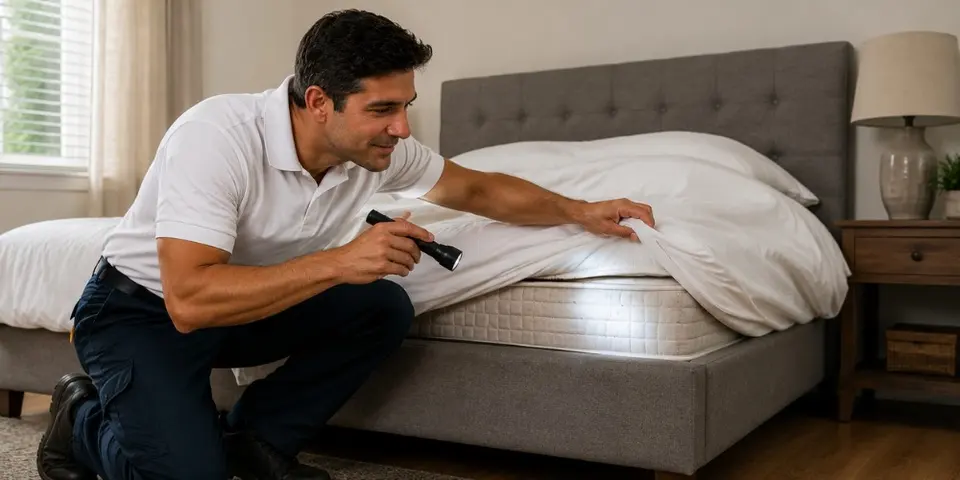
Before sealing boxes and loading furniture, take time to determine whether bed bugs may already be present. Early detection can help prevent bringing bed bugs to your new home and allow you to address concerns before the move takes place.
Rather than relying solely on bites, focus on physical evidence. Bed bugs often leave visible signs in the places where they hide and rest.
Pay attention to the following indicators:
- Live bed bugs
- Shed skins
- Small dark spotting on fabrics or furniture
- Tiny eggs hidden in cracks or seams
- Unusual staining around sleeping areas
The most important locations to examine include:
- Mattresses and box springs
- Bed frames and headboards
- Upholstered couches and recliners
- Chair cushions
- Nightstands
- Furniture joints and cracks near sleeping areas
If you discover evidence of bed bugs, avoid moving items between rooms while preparing for the move. Relocating belongings unnecessarily can increase the chance of spreading activity throughout the home.
Use Smart Packing Strategies to Keep Belongings Protected
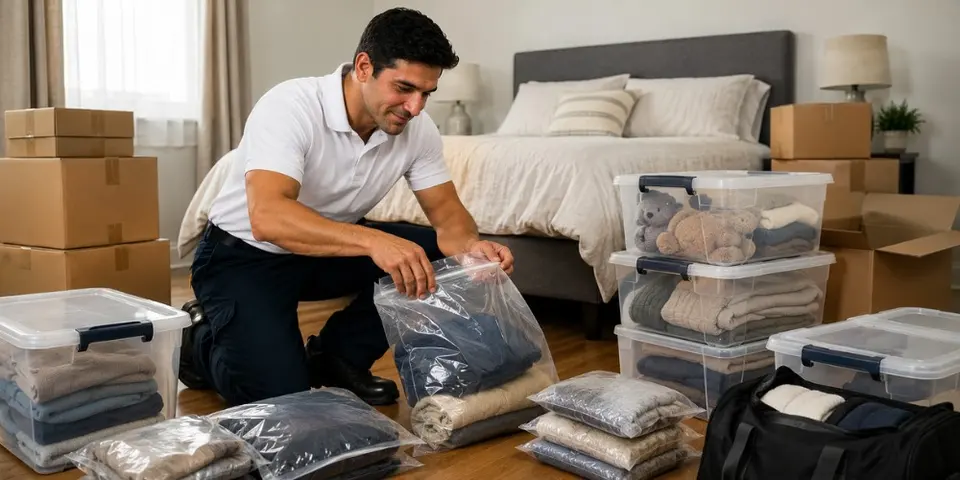
Once you have completed your inspection, the next step is containment. The goal is not simply to pack quickly but to keep belongings organized in a way that reduces the risk of bringing bed bugs to your new home.
A good packing strategy separates potentially vulnerable items from belongings that have already been inspected and secured.
The following items deserve extra attention during packing:
- Clothing
- Bedding
- Pillows
- Stuffed toys
- Curtains
- Fabric decorations
- Backpacks
- Luggage
To protect these belongings, consider:
- Using heavy-duty plastic bags
- Packing items in sealable plastic totes
- Labeling containers clearly
- Keeping sealed items closed until unpacking
Additionally, laundering fabrics before packing can provide another layer of protection. Washing and drying eligible items before they enter moving boxes helps reduce the likelihood of bringing bed bugs to your new home through clothing or bedding.
Furniture should also remain separate from sealed fabric items whenever possible. Maintaining this separation throughout the move creates a more controlled process and helps keep inspected belongings protected.
Follow a Bed Bug Prevention Plan on Moving Day
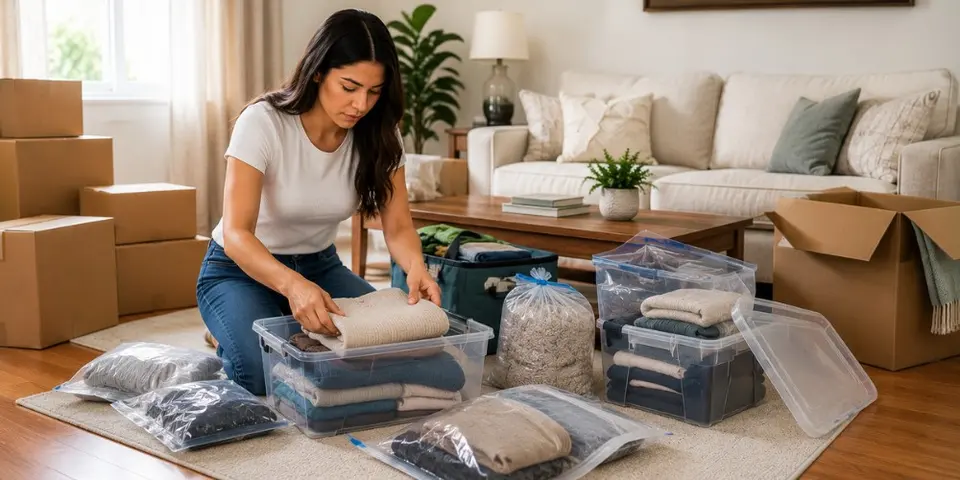
The objective is to maintain separation between belongings while avoiding common mistakes that can increase risk.
Try not to do the following:
- Toss loose clothing into moving vehicles
- Place bedding directly on furniture during transport
- Mix inspected items with uninspected belongings
- Leave soft items exposed during loading
- Bring questionable furniture into the new home without inspection
Used furniture deserves particular caution. While secondhand items can save money, they may also introduce hidden bed bug activity. Inspect all used furniture thoroughly before bringing it indoors.
By following a consistent process throughout moving day, homeowners can significantly reduce the chances of bringing bed bugs to their new home.
Monitor Your New Home Before Fully Unpacking
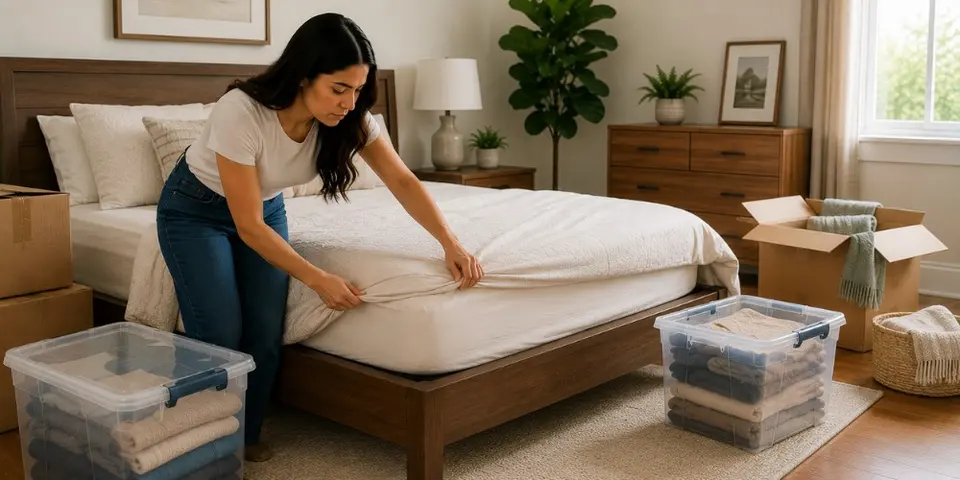
The first several days after a move provide an important opportunity to detect problems early. Instead of unpacking everything immediately, focus first on areas where bed bugs are most likely to appear.
To make monitoring easier, start with these steps:
- Unpack bedrooms before other rooms
- Keep floors relatively clear
- Inspect mattresses every few days
- Check bed frames and furniture joints regularly
- Watch for spotting on bedding
- Monitor upholstered furniture for unusual signs
If you notice evidence of bed bugs after moving, pause major unpacking activities until you understand the situation. Addressing bed bug concerns early can help you avoid managing a larger infestation after you unpack every box.

Start Fresh Without Bringing Bed Bugs to Your New Home
Moving does not have to result in bringing bed bugs to your new home in Oklahoma. By inspecting belongings before packing, using containment strategies during the move, and monitoring key areas after arrival, you can significantly reduce the risk of transporting unwanted pests. Taking a proactive approach before moving day often makes prevention much easier than dealing with an infestation later.
If you discover signs of bed bugs before or after your move, addressing the issue quickly can help prevent further spread. Professional assistance may be beneficial when evidence of bed bug activity is present or when you want additional peace of mind before unpacking. With careful planning and early action, you can settle into your new home with greater confidence and avoid bringing bed bugs to your new home.
References:
- Delaunay, P., Blanc, V., Del Giudice, P., Levy-Bencheton, A., Chosidow, O., Marty, P., & Brouqui, P. (2010). Bedbugs and infectious diseases. Clinical Infectious Diseases, 52(2), 200–210. https://doi.org/10.1093/cid/ciq102
- Hentley, W. T., Webster, B., Evison, S. E. F., & Siva-Jothy, M. T. (2017). Bed bug aggregation on dirty laundry: a mechanism for passive dispersal. Scientific Reports, 7(1), 11668. https://doi.org/10.1038/s41598-017-11850-5