


Is Your Pantry Organization Style Fueling a Roach Problem?
A cluttered pantry does more than make meal prep stressful—it invites unwanted guests. Roaches seek warmth, food, and shelter, and an unorganized pantry provides all three in abundance. If you spot tiny droppings, shed skins, or damaged packaging, you may already have a growing roach problem. Surprisingly, your pantry organization style can either encourage or prevent infestations, making it a key factor in effective cockroach control.
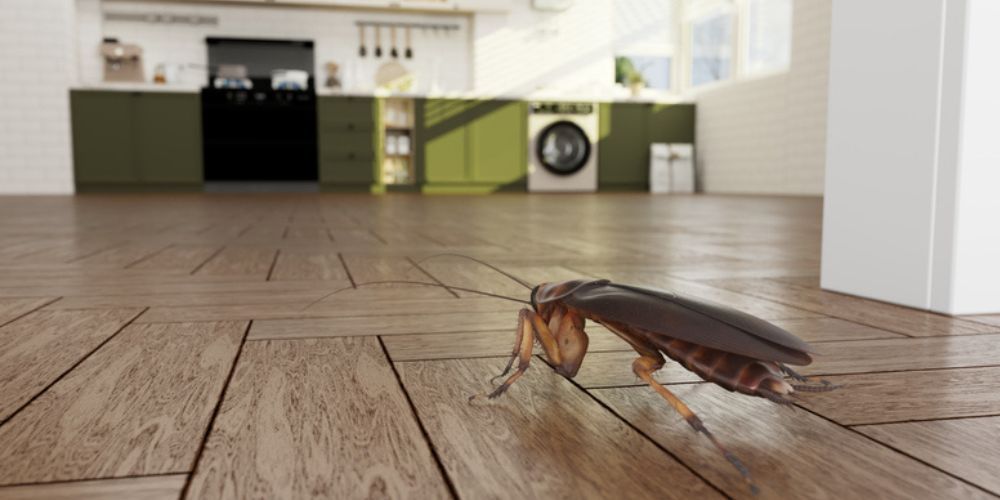
Cockroaches thrive in areas that provide access to food and offer hiding spots. Open boxes, crumpled bags, and stacks of cardboard create perfect daytime hiding places and nighttime foraging areas. Some pantry habits inadvertently fuel a cockroach problem:
- Leaving cereals, snacks, or baking ingredients in cardboard or paper packaging, which roaches can chew through.
- Storing groceries directly on the floor gives pests easy access.
- Stacking items tightly without airflow creates dark hiding spots.
- Ignoring crumbs or minor spills behind jars and cans, which provide constant food sources.
Switching to airtight containers reduces both access and appeal. It allows you to spot early signs of a roach problem and act quickly before infestations grow. A well-organized pantry not only looks tidy but also plays a significant role in preventing cockroach infestations.
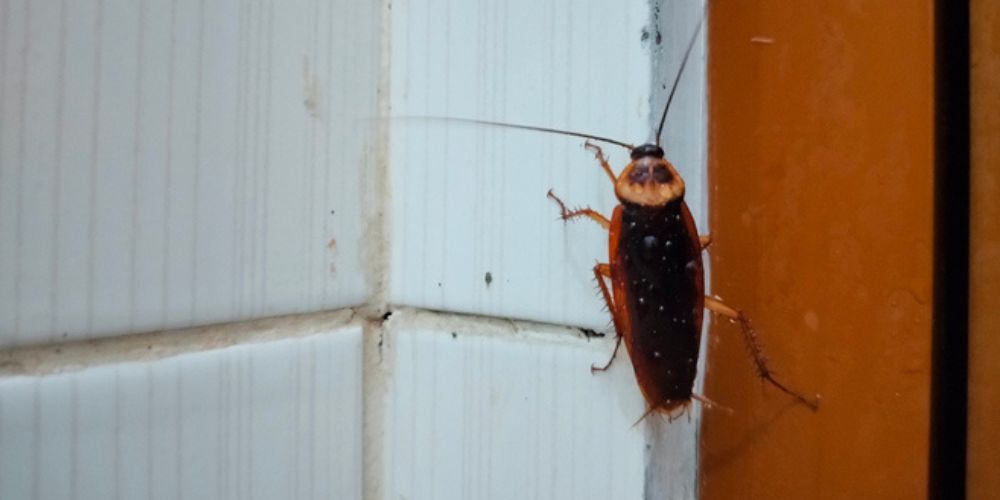
Even a neatly organized pantry can attract roaches if moisture persists. Roaches need water more than food to survive, so even minor leaks or damp areas make your pantry an inviting habitat for them. Common moisture sources include the following:
- Leaky pipes under the sink, which provide constant hydration.
- Condensation near refrigerators and dishwashers creates hidden wet zones.
- Damp shelves or pantry walls that retain moisture and attract pests.
- Leftover water in pet bowls or spilled drinks that go unnoticed.
Effective cockroach control involves promptly fixing leaks, wiping moisture from surfaces, and using moisture-absorbing products such as silica gel packs or small dehumidifiers. Maintaining dry conditions discourages roaches, prevents mold growth, and keeps your pantry healthier overall.
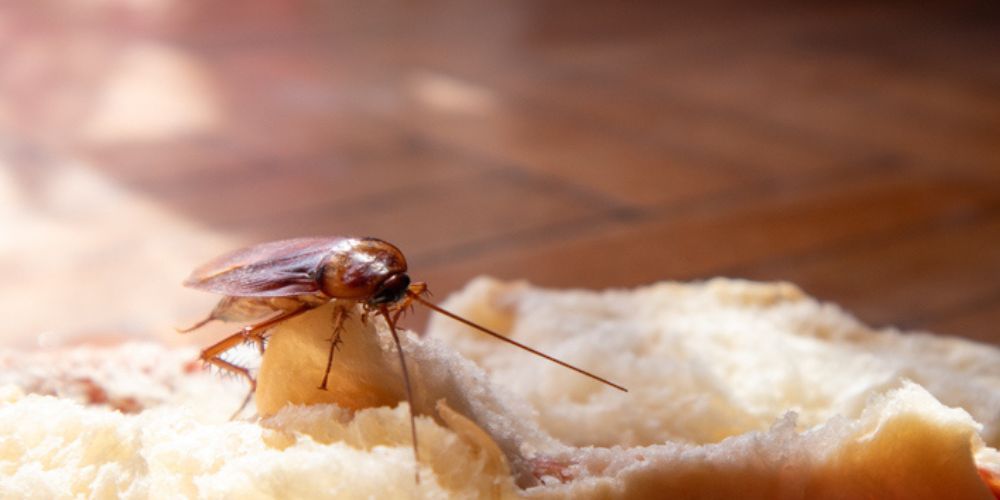
How you store food significantly impacts the activity of roaches. Avoid placing items on the floor, as roaches can easily access them, and instead, elevate them on shelves or cabinets. Proper storage techniques help prevent a cockroach problem:
- Use airtight, transparent containers for cereals, grains, snacks, and pet food to block access.
- Rotate older items to the front to prevent forgotten food from becoming a food source for roaches.
- Keep pantry bins organized for visibility, making it easier to spot spills or droppings.
- Wipe crumbs promptly after opening packages to reduce attractants.
Small, consistent habits make a big difference in cockroach control. A well-arranged pantry reduces food exposure and makes your space less inviting for roaches.

Even minimal lapses in cleaning can fuel a roach problem. Roaches exploit crumbs, dust, and tiny food particles, hiding in corners and behind appliances. Establishing a consistent cleaning routine strengthens your cockroach control efforts:
- Daily: Sweep or vacuum floors and wipe visible crumbs or spills.
- Weekly: Wipe down shelves, corners, and pantry walls; clean under appliances.
- Monthly: Empty shelves, vacuum corners, and inspect for early roach activity.
Maintaining these habits reduces roach access to food and water. Consistency is critical because roaches are nocturnal and can go unnoticed until an infestation grows.

Catching a roach problem early makes control far easier. Small infestations often go unnoticed, but early warning signs include:
- Tiny droppings that resemble black pepper.
- Shed skins or egg cases are left behind in hidden areas.
- Musty, oily odors signaling roach activity.
- Occasional roach sightings at night.
Sticky traps can help monitor activity and identify areas of high activity. The sooner you notice a problem, the quicker you can apply effective cockroach control measures and prevent infestations from escalating.
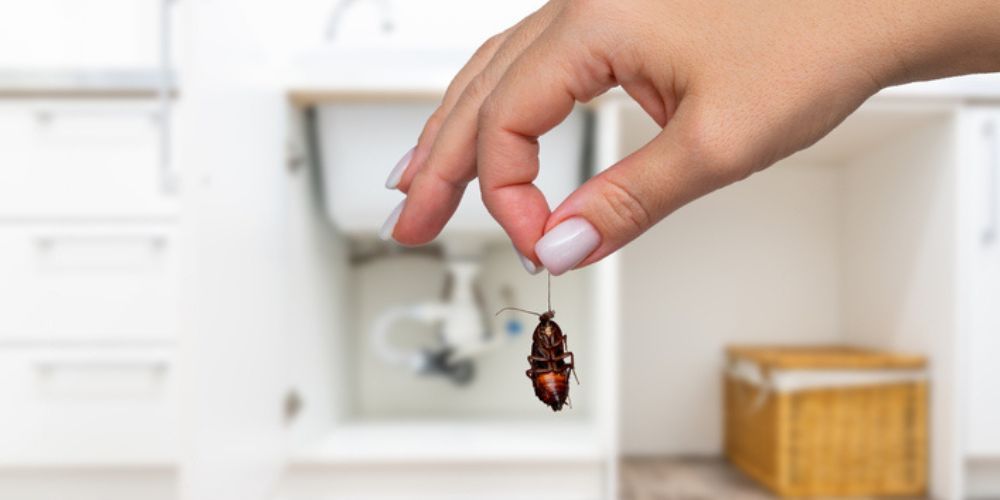
Addressing a cockroach problem requires a combination of organization, sanitation, and targeted interventions. Natural deterrents alone rarely solve severe infestations. Effective strategies include:
- Remove food sources and seal containers to limit access.
- Reduce moisture and humidity to make your pantry a less hospitable environment.
- Seal cracks, gaps, and crevices in walls, baseboards, and shelving.
- Apply professional-grade treatments if infestations persist.
Licensed pest control specialists understand the behavior of roaches and provide long-term solutions. Integrating these strategies with good pantry habits ensures your cockroach problem remains under control.

- Beyond containers and cleaning, the pantry layout influences roach activity. Closed shelving units reduce dark hiding spots, while smooth surfaces with minimal cracks prevent roaches from settling. Consider:
- Proper lighting is preferred to eliminate dark corners that attract roaches.
- Easy access for cleaning and inspections to spot early signs.
- Elevated shelving to reduce floor-level access.
- Visible storage for quick assessment of spills or droppings.
A pantry designed with hygiene, airflow, and visibility in mind naturally discourages roaches and supports ongoing cockroach control.
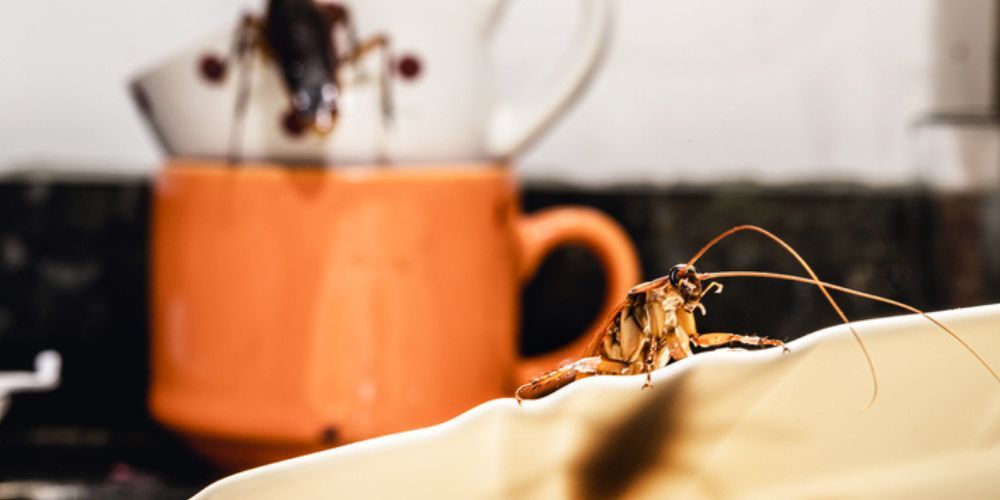
Even with an organized pantry, everyday habits can fuel a cockroach problem. Some common mistakes include:
- Leaving pet food or water out overnight.
- Neglecting minor spills or crumbs that accumulate over time.
- Storing expired or forgotten groceries.
- Ignoring small leaks or moisture accumulation.
Educating household members to seal containers, clean consistently, and monitor pantry areas reinforces other cockroach control measures. A team approach ensures your pantry stays roach-free.
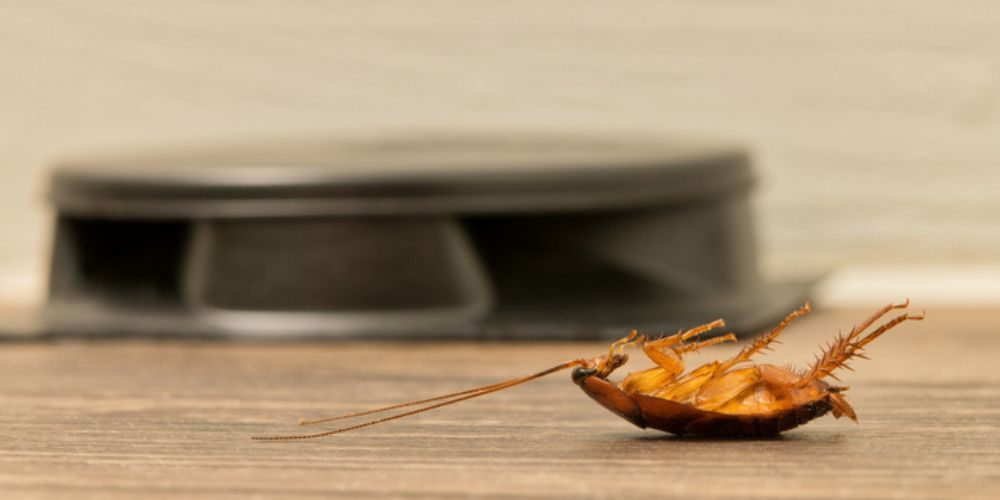
By organizing your pantry, controlling moisture, maintaining regular cleaning habits, and seeking professional assistance when necessary, you can prevent minor problems from escalating into a serious cockroach problem. A well-arranged pantry serves as the first line of defense in cockroach control, protecting your food and home.
Take action now and implement these strategies to keep your kitchen safe and secure. Ready to tackle a growing roach problem in Claremore, OK. Start today and regain control over your pantry before pests take over.
References:
- Manyullei, N. S., Silalahi, N. S., Paluseri, N. a. M. A., Wahdaniyah, N. I., Waly, N. H., Jabalnur, N. W. R., & Putranto, N. R. H. (2022). Environment factors affecting cockroach density: A systematic review. International Journal of Life Science Research Archive, 3(1), 001–012. https://doi.org/10.53771/ijlsra.2022.3.1.0048
Martín, M. C., Nicolis, S. C., Planas-Sitjà, I., & Deneubourg, J. (2019). Conflictual influence of humidity during shelter selection of the American cockroach (Periplaneta americana). Scientific Reports, 9(1), 20331. https://doi.org/10.1038/s41598-019-56504-w