


Mite Control Tips for Oklahoma Homes in Humid Spring Air
Mites are tiny, almost invisible pests that will cause significant problems in your home. They trigger allergies, damage furniture, and even irritate your skin. You might be dealing with mites if you’ve been sneezing, itching, or noticing unexplained dust buildup. The good news? You can get rid of them. Here’s a practical and straightforward guide on mite control to help you reclaim your space.
Understanding Mites and Their Impact
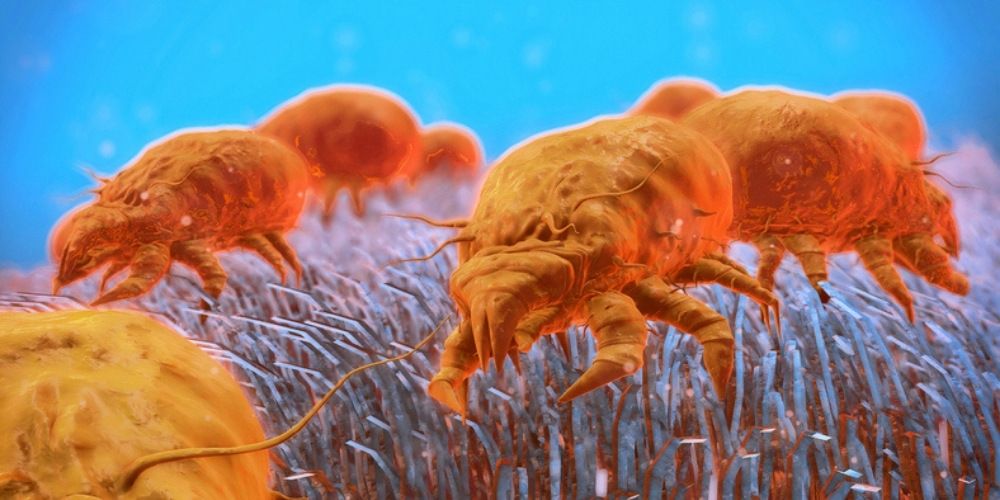
Mites belong to the arachnid family, relatives of spiders and ticks. They are microscopic, but their effects can be significant. The most common types of mites that infest homes include:
Dust Mites – These thrive in bedding, carpets, and upholstered furniture. Their fecal matter is a major allergen for many people.
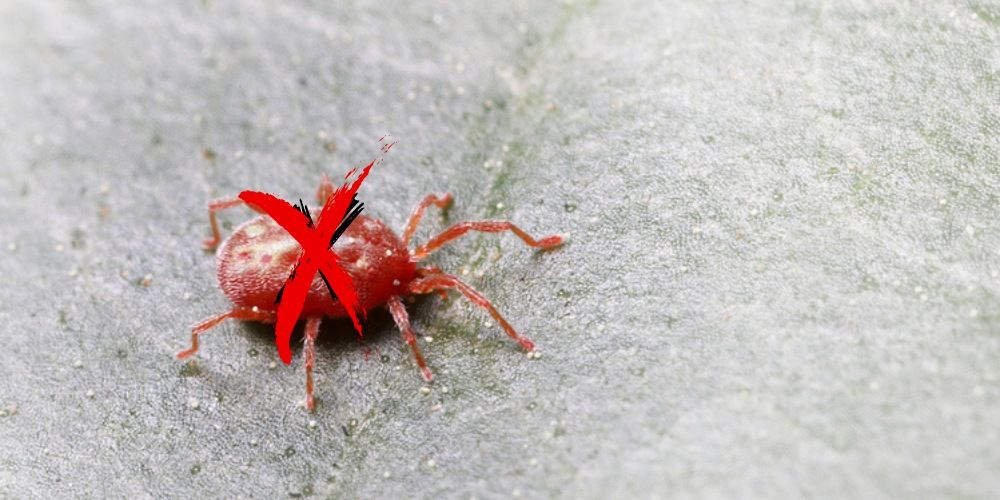
Clover Mites – Usually found near windows and plants, these mites don’t bite but can stain surfaces when crushed.
Scabies Mites – These burrow into human skin, causing severe itching and irritation.
Bird and Rodent Mites – These parasites hitchhike on pets and wildlife and can infest homes if their hosts are nearby.
Mites can cause various issues, from mild irritation to severe allergic reactions and skin infestations. Mite control is essential for maintaining a healthy living space.
Where Do Mites Hide?
Such insects thrive in warm, humid environments, making your home an ideal breeding ground. They settle in places you might not even think to check, including:
Bedding and Mattresses – Dust mites feed on dead skin cells and love snuggling into your pillows, sheets, and mattresses.
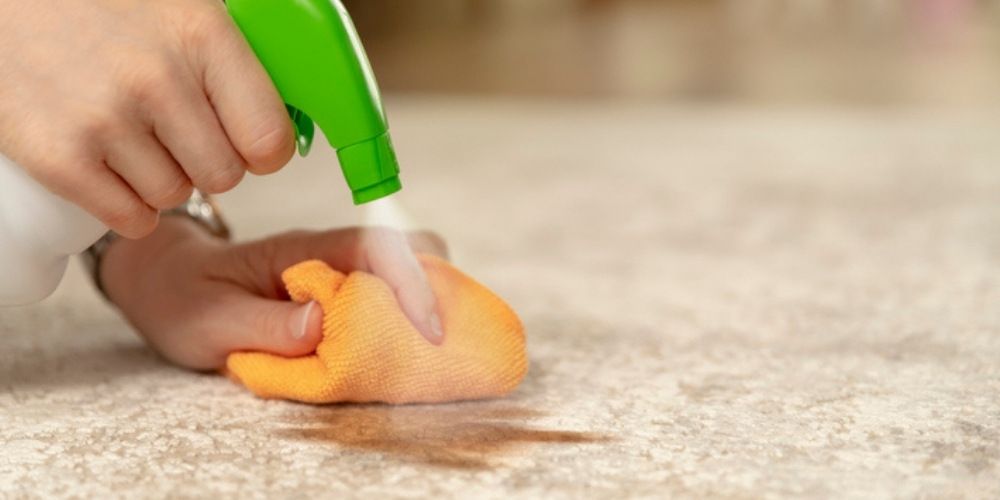
Carpets and Rugs – The fibers in carpets trap mites, dust, and other allergens.
Upholstered Furniture – Sofas, armchairs, and even curtains can harbor mites.
Clothing and Closets – Wool and other natural fibers provide a cozy home for mites.
Pet Beds – If you have pets, their bedding can be a hotspot for mite activity.
Knowing where mites hide is the first step in getting rid of them. Now, let’s dive into mite control strategies.

How to Eliminate Mites Effectively
Getting rid of mites isn’t as simple as vacuuming. To eliminate them, you need a multi-step approach.
1. Wash and Replace Bedding Regularly
Mites thrive in mattresses and pillows, so washing your bedding at least once a week in hot water (above 130°F) will help kill them. To prevent infestations, use mite-proof covers for pillows and mattresses.
2. Keep Humidity Levels Low
Mites love moisture, so reducing humidity is crucial. A dehumidifier can keep your home’s humidity below 50%. Proper ventilation, especially in bathrooms and kitchens, also prevents mite buildup.
3. Vacuum and Steam Clean Frequently
Vacuuming removes mites from carpets, furniture, and curtains. However, using a vacuum with a HEPA filter ensures mites and their droppings don’t spread back into the air. Steam cleaning is even more effective since high temperatures kill mites instantly.
4. Use Natural Mite Repellents
Certain natural substances deter mites without the use of harsh chemicals:
Diatomaceous earth – A fine powder that dehydrates and kills mites upon contact.
Essential oils – Oils like tea tree and eucalyptus are natural mite repellents. Add a few drops to your laundry or spray diluted oil on upholstery and bedding.
Baking soda—Sprinkling baking soda on rugs and mattresses and vacuuming after a few hours helps absorb moisture and eliminate mites.
5. Declutter Your Home
Mites thrive in dusty, cluttered spaces. Reducing unnecessary items, especially fabric-based decorations, will minimize hiding spots: store clothing and linens in sealed plastic containers to keep them mite-free.
6. Control Pet Dander
Pets shed dander, which feeds mites. Regularly grooming your pets and washing their bedding can prevent mite infestations. Moreover, keep pets out of bedrooms to reduce mite exposure in your sleeping area if possible.
Preventing Mite Infestations
Once you’ve eliminated mites, preventing their return is essential. Here’s how:
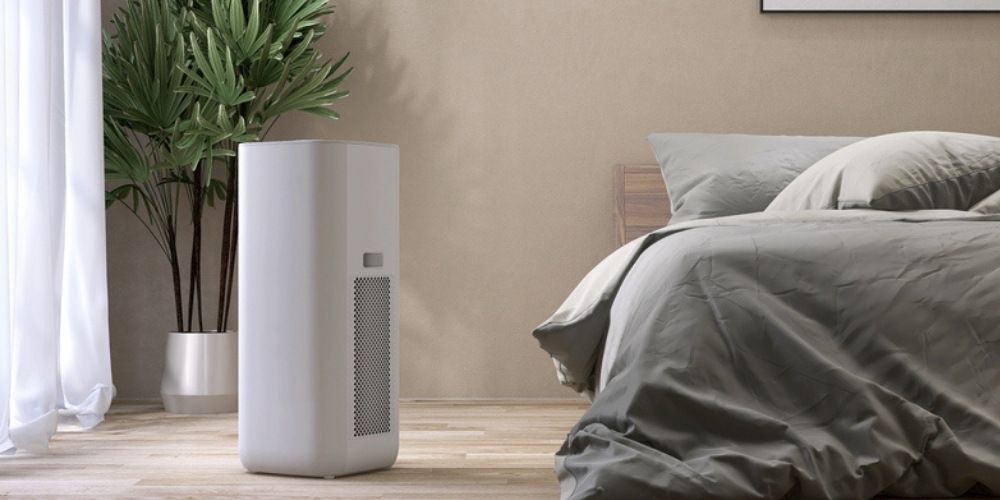
Use air purifiers – HEPA air purifiers trap airborne mites and allergens.
Avoid heavy fabrics – Switch to leather or synthetic furniture, which mites find less appealing.
Change HVAC filters – A clean HVAC system reduces airborne mites and improves indoor air quality.
Regularly sun-dry items—Sunlight naturally kills mites, so hang pillows, mattresses, and rugs outside whenever possible.
Mop floors regularly – Mop hard floors with hot water to kill lingering mites.
Mite Control for Specific Areas
Certain areas in the home are more prone to mite infestations due to their environment and usage. Understanding why these spaces attract mites helps effectively prevent their spread.
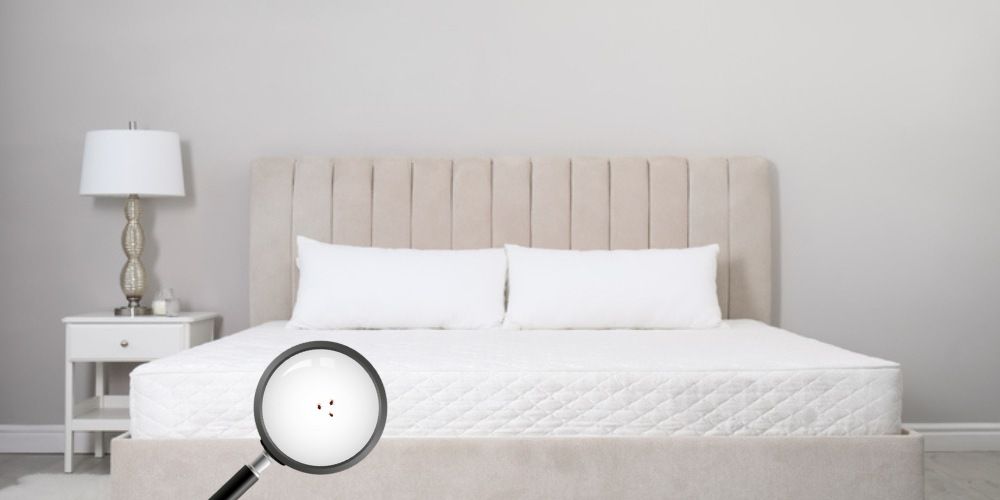
Bedrooms: Bedrooms provide the perfect environment for dust mites because of warmth, humidity, and dead skin cells. Since people spend several hours in bed each night, mattresses and pillows become breeding grounds for mites.
Living Rooms: Living rooms often have upholstered furniture, carpets, and curtains—all of which trap dust and moisture, creating an ideal mite habitat. Additionally, foot traffic stirs dust particles, making mites more airborne and increasing allergy risks.
Kitchens: Kitchens accumulate moisture from cooking, and mites thrive in humid environments. Crumbs and food particles can also attract other pests, possibly introducing more mites into the home.
Bathrooms: Bathrooms are prone to mold growth due to constant exposure to steam and humidity, which can attract mites. Bath towels, shower curtains, and bath mats can harbor mites, especially if not washed regularly.

When to Call a Professional
If you’ve tried these mite control methods and still experience allergy symptoms or find evidence, it might be time to call a pest control expert. Professionals use specialized treatments that penetrate deep into carpets, furniture, and walls, ensuring a thorough removal.
Say Goodbye to Mites for Good
Mites are tiny, but they can cause big problems. The key to effective mite control in Muskogee, OK, is consistency—regular cleaning, reducing humidity, and taking preventive steps will keep these pests away. By following these strategies, you can enjoy a healthier, more comfortable home free from mite infestations.
References:
Arlian, L. G., & Morgan, M. S. (2003). Biology, ecology, and prevalence of dust mites. Immunology and Allergy Clinics of North America, 23(3), 443–468. https://doi.org/10.1016/s0889-8561(03)00005-5
Cook, D. A., & Armitage, D. M. (2000). Efficacy of a diatomaceous earth against mite and insect populations in small bins of wheat under conditions of low temperature and high humidity. SCI Journals. https://doi.org/10.1002/1526-4998(200007)56:7