


Pest Control for Restaurants: Does Neem Oil Really Work?
When you run a restaurant, there’s zero room for compromise on food safety. Customers expect clean dining areas and spotless kitchens; even one pest sighting can damage your reputation. As a result, pest control for restaurants is an ongoing priority.
More business owners are exploring natural or organic alternatives to traditional chemical-based pest control. The neem tree yields neem oil, which is frequently considered a possible remedy. But does neem oil deliver in a commercial kitchen setting? Can it stand up to the rigorous needs of pest control for restaurants? To answer these questions, consider reading the following:

Why Restaurants Present Unique Challenges
Restaurants don’t operate like typical homes or offices. They have special conditions that make them more prone to pest problems, which makes pest control for restaurants more complicated. These are the main challenges restaurants face:
Constant food sources: Crumbs, spills, and grease are part of daily operations and attract pests easily.
Warm, humid environments: Kitchens and dishwashing areas are ideal breeding grounds for cockroaches and flies.
Extended operating hours: Late-night activity increases the chances of unnoticed pest movement.
Frequent deliveries: Cardboard boxes and supply deliveries can be entry points for hidden pests.
Health code standards: Restaurants must comply with health regulations, which require fast and consistent pest control for restaurants.
These environmental factors make restaurant pest control more demanding than in other commercial spaces. It’s not just about removing pests—it’s about doing it efficiently, safely, and continuously.

How Does Neem Oil Work and What Is It?
Neem oil, extracted from neem tree seeds, has been used in agriculture for centuries. It’s praised for its insecticidal properties and fits well into green initiatives. Many people often promote neem oil as a natural alternative for restaurant pest control.”
Here’s how neem oil works against pests:
Acts as an insect growth regulator: Neem oil disrupts molting and reproduction in pests, gradually reducing their population.
Antifeedant properties: It discourages pests from feeding on treated surfaces.
Repellent effect: Some insects avoid areas sprayed with neem oil.
Biodegradable and non-toxic to humans: This makes it appealing in settings like restaurants where safety matters.
Neem oil targets the biological development of insects, especially soft-bodied pests. However, its results aren’t immediate, and its effectiveness varies by pest species. Understanding these features helps evaluate whether neem oil fits into long-term pest control for restaurants.
Pests Neem Oil Can Affect (and Limitations)
Not every pest reacts to neem oil the same way. Its success largely depends on the type of insect, how mature the infestation is, and application consistency. When assessing pest control for restaurants, keep in mind the following:
1. Pests of Neem Oil May Help Control:
Aphids: More relevant in garden or farm-to-table restaurants with on-site plants.
Fruit flies: Consistently use neem oil on surfaces and drains to repel fruit flies.
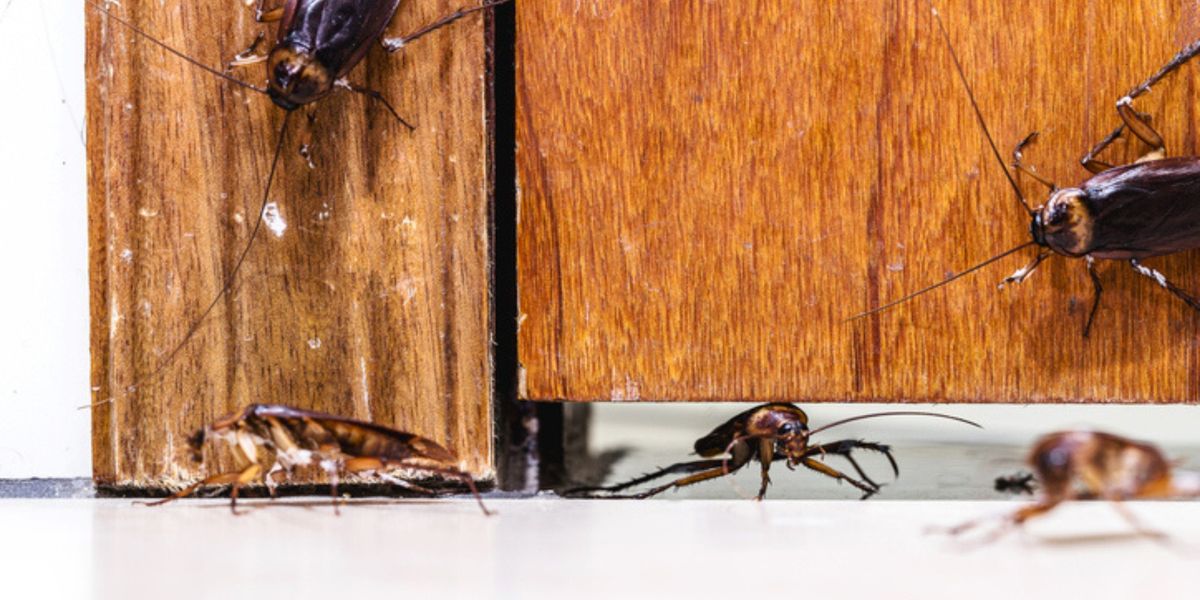
Small roaches: May be affected over time, especially nymphs and juveniles.
Pantry moths: Disruption in egg and larval stages is possible.
2. Where Neem Oil Falls Short:
Rats and mice: Neem oil does nothing for rodent control, a big part of restaurant pest control.
Large cockroach infestations: Adult roaches can resist the effects, and infestations may require stronger interventions.
Ant colonies: Surface treatment isn’t enough to wipe out the queen or colony.
Flies and wasps: Fast-flying insects need faster knockdown solutions.
Bed bugs: Are not typically a restaurant issue but are unaffected by neem oil.
In most cases, neem oil is only effective in very light infestations or as a preventative measure—it is not a standalone solution.

Limitations of Neem Oil in Commercial Settings
Restaurants need quick, consistent, and reliable pest control. While neem oil might work in small settings, applying it across a commercial kitchen presents several hurdles. These are the reasons why relying solely on neem oil for pest control for restaurants can be problematic:
Slow results: Neem oil works gradually, often requiring days or weeks before pest activity noticeably drops.
Frequent reapplication: The oil breaks down quickly, meaning surfaces need to be retreated regularly—something difficult to maintain in busy kitchens.
Limited coverage: It only works where applied. Cracks, deep crevices, or hidden breeding areas might remain untreated.
No residual effect: Unlike professional products, neem oil doesn’t leave a long-lasting barrier.
Strong smell and residue: Some formulations leave a scent or residue, which may not be appropriate in food prep areas.
Regulatory uncertainty: Depending on local laws, neem oil may not meet pest control guidelines for food service environments.
In short, neem oil doesn’t offer the rapid and broad-spectrum impact necessary for comprehensive pest control for restaurants.

Neem Oil Has a Place—But Not Alone
In conclusion, neem oil can reduce light pest pressure in restaurants, but it shouldn't be the only line of defense. You need more for busy commercial kitchens, where food safety and brand reputation are always on the line.
Here’s how neem oil can fit within a broader strategy for pest control for restaurants:
Use it in non-food areas: Neem oil may be suitable in restrooms, outdoor seating areas, or storage zones.
Apply it preventively: Use neem oil in early pest season before full infestations start.
Combine with mechanical controls: Sticky traps, sanitation, and sealing gaps go further when used alongside neem oil.
Partner with professionals: A licensed expert can integrate natural options with commercial-grade solutions to ensure total protection.
Ultimately, the key to successful pest control for restaurants in Oklahoma lies in balance. Natural solutions like neem oil can be included, but they must be part of a layered, strategic program. To protect your kitchen, customers, and reputation, work with a pest control provider who understands food service environments and can offer long-term, reliable results.
References:
Kadvaneem. (2017, July 7). Pest management. Retrieved from https://neemfoundation.org/about-neem/neem-in-agriculture/pest-management/
Neem Oil Fact Sheet. (n.d.). Retrieved from https://npic.orst.edu/factsheets/neemgen.html