


Residential Pest Control Protects Food from Contamination
Pests in the home do more than create a nuisance as they pose serious threats to food safety. Rodents, cockroaches, ants, and other common household invaders carry bacteria, viruses, and pathogens that can contaminate the foods you prepare and consume daily.
Implementing residential pest control prevents these threats from reaching your kitchen and pantry, ensuring that your meals stay safe. By addressing infestations proactively, homeowners not only protect food but also preserve their health, time, and peace of mind.
How Pests Contaminate Food
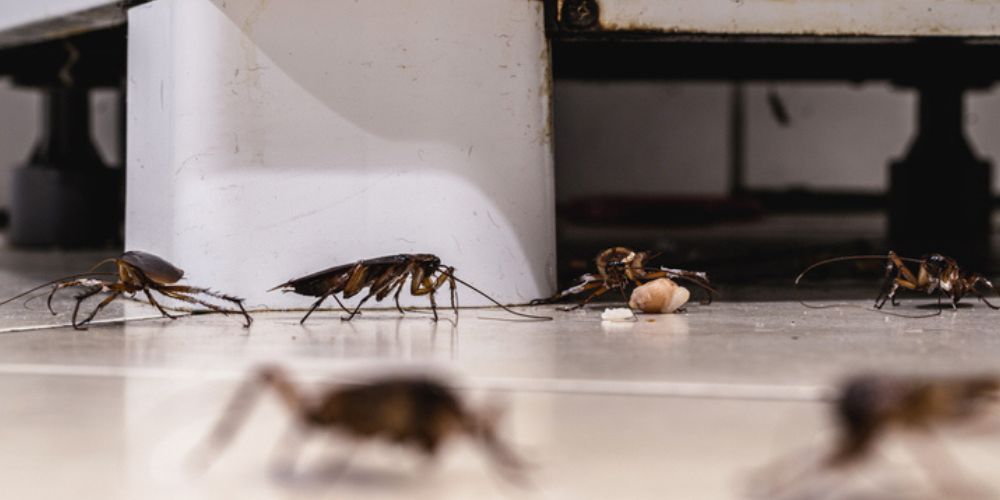
Pests contaminate food in ways many people fail to notice until problems escalate. Rodents leave behind urine and droppings that contain harmful bacteria, such as E. coli and Salmonella. Insects like cockroaches and ants transfer pathogens by crawling over surfaces and food packaging, introducing microbes into your home. Common ways pests contaminate food include:
- Droppings and urine: Rodents deposit bacteria-laden droppings and urine, which can trigger foodborne illnesses. Regular cleaning combined with residential pest control reduces these risks and protects your family’s health.
- Direct contact: Ants and cockroaches crawl over exposed food or chew packaging, leaving contamination behind. Ensuring pests cannot access food is a crucial step that prevents illness.
- Cross-contamination: Pests move from trash, drains, or hidden corners into storage areas, carrying bacteria that can spoil food and pose a health threat. Professional residential pest control strategies effectively block these pathways.
Understanding these contamination methods underscores the importance of proactive residential pest control for every household.
Sanitation and Food Storage Practices
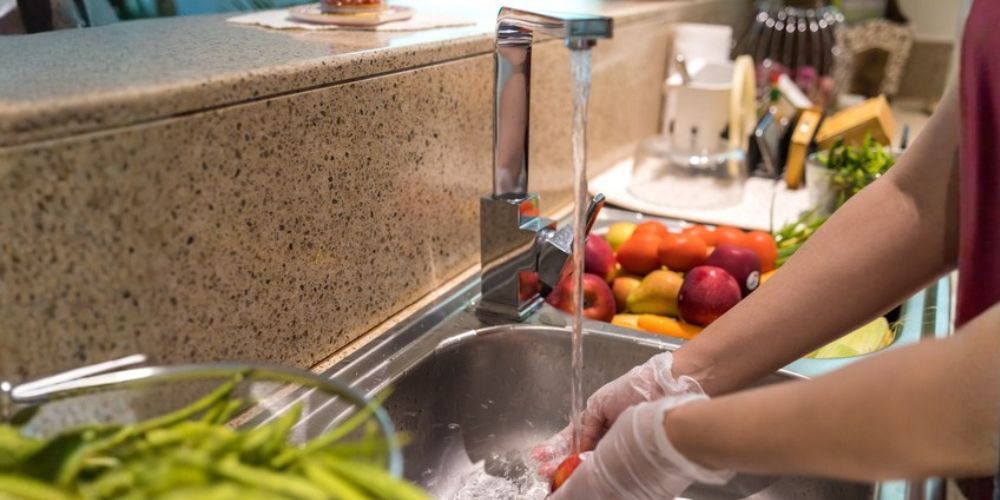
Keeping pests away begins with organized storage and proper sanitation. Pests seek out easily accessible food, dark hiding spots, and warm areas to reproduce. Incorporating residential pest control with practical habits ensures long-term protection:
- Seal food containers: Use airtight containers for cereals, grains, and snacks to prevent pests from gaining access. This step also reduces the chance of accidental spills.
- Organize your pantry: Store items on shelves, away from floors and walls, to reduce hiding spots. Visibility makes it easier to detect early signs of infestation.
- Rotate and inspect products: Check for damaged packaging, small holes, or droppings. Remove contaminated food immediately to prevent further exposure.
- Regular cleaning: Sweep floors, wipe counters and shelves, and promptly clean up crumbs to reduce attractants for pests.
These practices, combined with professional residential pest control, create a strong barrier that keeps pests away and reduces contamination risks over time.
Why Professional Residential Pest Control Works
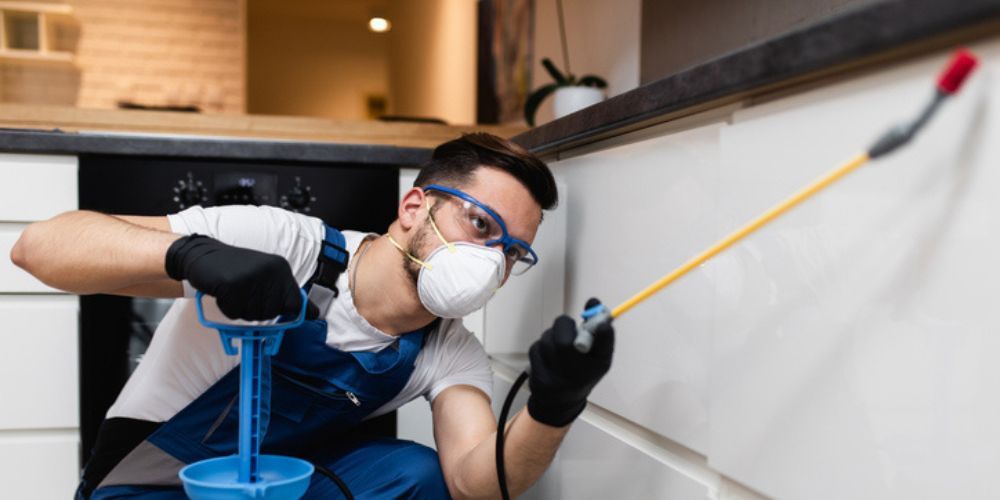
DIY methods provide some relief but rarely prevent long-term infestations. Pests reproduce quickly, hide in hard-to-reach places, and develop resistance to common over-the-counter treatments. Hiring a professional residential pest control offers several advantages:
- Comprehensive inspections: Technicians identify potential infestations and underlying conditions that contribute to pest presence.
- Targeted treatments: Professionals use effective and safe methods to reach both visible pests and hidden harborage areas.
- Integrated strategies: Combining exclusion, sanitation guidance, and monitoring creates a long-lasting defense against pests.
Professional intervention ensures your home and pantry remain free from pests, significantly reducing the chance of food contamination while saving you time and stress.
Common Household Pests That Threaten Food
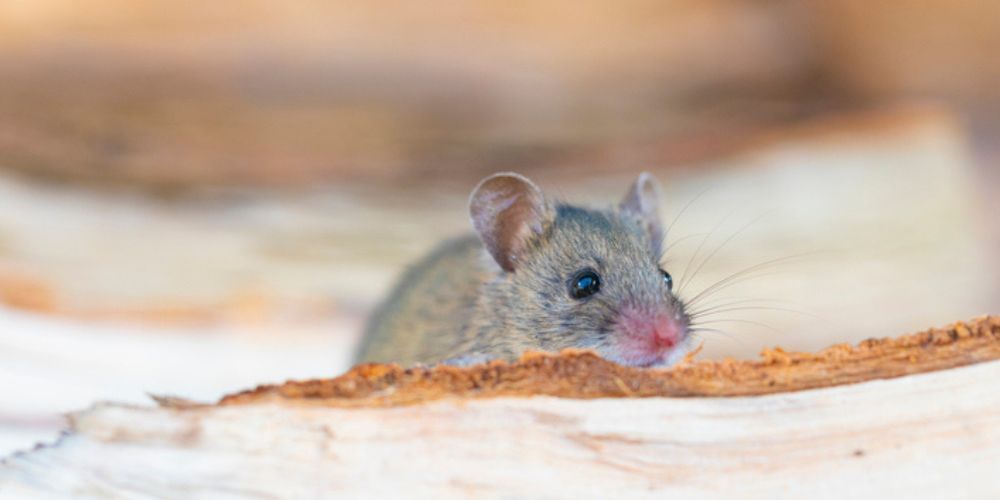
Several pests in residential environments pose a direct threat to food safety. Understanding their behaviors helps homeowners prevent infestations effectively:
- Rodents, including rats and mice, chew through packaging and leave droppings, contaminating surfaces and food.
- Cockroaches: These nocturnal insects carry bacteria and spread pathogens as they move across surfaces.
- Ants: Even small colonies infiltrate packaged foods, leaving traces of bacteria behind.
- Pantry moths lay eggs in grains, flour, and dry goods, causing stored items to spoil.
Recognizing these pests early, combined with proactive residential pest control, ensures they never compromise your food or your home.
Moisture Control and Pest Prevention
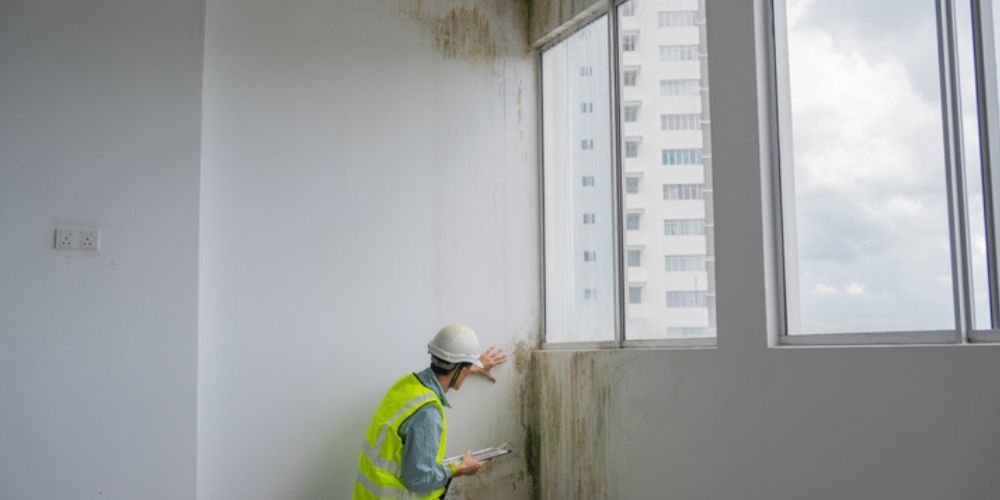
Even a clean, organized kitchen can attract pests if moisture persists. Many pests prioritize water over food, making leaky pipes, condensation, and damp areas prime targets for infestation. Effective residential pest control addresses these factors while educating homeowners about prevention:
- Repair leaks promptly: Fix plumbing issues to eliminate water sources that attract pests.
- Maintain dry surfaces: Wipe counters, shelves, and pantry walls to remove excess moisture.
- Reduce humidity: Use fans, dehumidifiers, or proper ventilation to discourage pest activity.
Moisture control complements other pest prevention measures, making infestations less likely and contamination nearly impossible.
Long-Term Food Safety Strategies

Maintaining a pest-free home requires consistent habits, as well as professional services. Daily and weekly routines create a resilient barrier against contamination:
- Seal trash bins tightly and remove waste frequently to avoid attracting rodents and insects.
- Avoid leaving pet food out overnight, as small amounts draw pests even more.
- Store bulk and seasonal items in airtight containers to prevent infestation.
- Monitor for early signs of pests, such as droppings, chewed packaging, or unusual activity, and take immediate action.
Combining these practices with residential pest control minimizes the risk of contamination and maximizes food safety throughout your entire home.
Healthy Homes Start With Pest Control

A home free of pests protects both your food and your family’s health. Pests compromise hygiene, damage property, and create stress by constantly threatening food safety. Implementing residential pest control ensures that your kitchen, pantry, and storage areas remain free from contamination, providing peace of mind. By combining professional services with sanitation, organization, and moisture management, you prevent contamination before it ever begins.
Protect your meals, family, and home with effective strategies today. With proactive habits and expert assistance, you can create a clean, pest-resistant environment. Take action now and secure your food and property with residential pest control in Oklahoma—because a pest-free pantry means a healthy home and happy taste buds.
Reference:
- Kopanic, R. J., Sheldon, B. W., & Wright, C. (1994). Cockroaches as vectors of salmonella: laboratory and field trials. Journal of Food Protection, 57(2), 125–131. https://doi.org/10.4315/0362-028x-57.2.125
- Ribas, A., Saijuntha, W., Agatsuma, T., Prantlová, V., & Poonlaphdecha, S. (2016). Rodents as a source ofSalmonellaContamination in wet markets in Thailand. Vector-Borne and Zoonotic Diseases, 16(8), 537–540. https://doi.org/10.1089/vbz.2015.1894