


The Science Behind Bed Bug Heat Treatment Effectiveness
Heat Tech explains the science behind bed bug heat treatment’s effectiveness — lethal temperatures, egg kill rates, and why heat outperforms chemicals.
Discovering bed bugs often leads to more questions than answers. Some sources recommend chemical treatments, while others promote heat treatment as the most reliable solution. With so much conflicting information available, many homeowners struggle to determine which approach actually works.
Understanding bed bug heat treatment effectiveness starts with understanding how bed bugs survive and why some treatments succeed while others fall short. This blog explains the science behind heat treatment, what temperatures kill bed bugs, and the factors that contribute to a successful outcome.
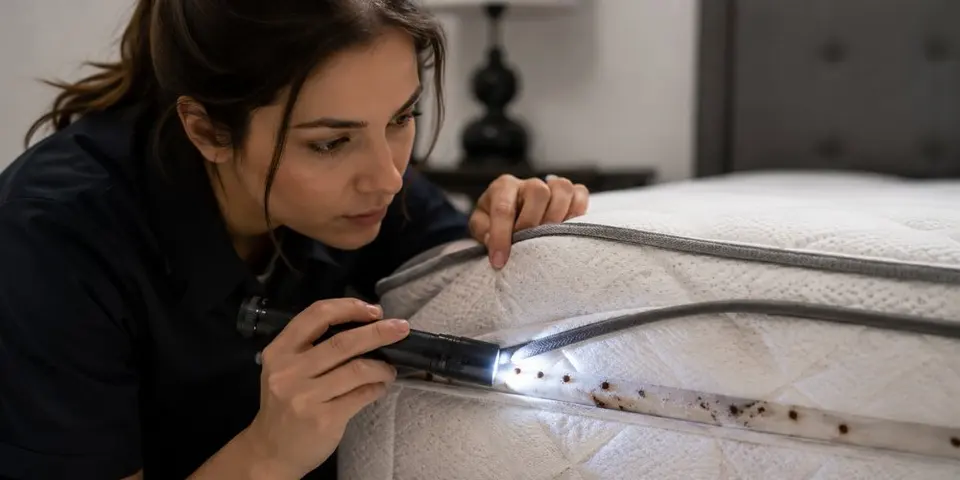
Why Bed Bugs Are Difficult to Eliminate
Bed bugs are resilient pests because they excel at hiding in places most people never think to inspect. They squeeze into mattress seams, furniture joints, electrical outlets, wall voids, and narrow spaces where they remain hidden during the day.
Their life cycle also makes elimination challenging. Bed bugs progress through several developmental stages, beginning as eggs before maturing into nymphs and adults. Female bed bugs can lay multiple eggs throughout their lifespan, allowing infestations to grow quickly when left untreated.
Many homeowners discover that eliminating visible bed bugs is only part of the challenge. Eggs often remain hidden in cracks and crevices, making complete elimination more difficult. As a result, treatments that fail to address all life stages may allow the infestation to persist.
This is one reason why bed bug heat treatment effectiveness receives significant attention. Heat affects bed bugs differently than many traditional treatment methods and targets every stage of their life cycle.
How Bed Bug Heat Treatment Works
Bed bug heat treatment effectiveness depends on raising temperatures throughout the treatment area to levels that bed bugs and their eggs cannot survive.
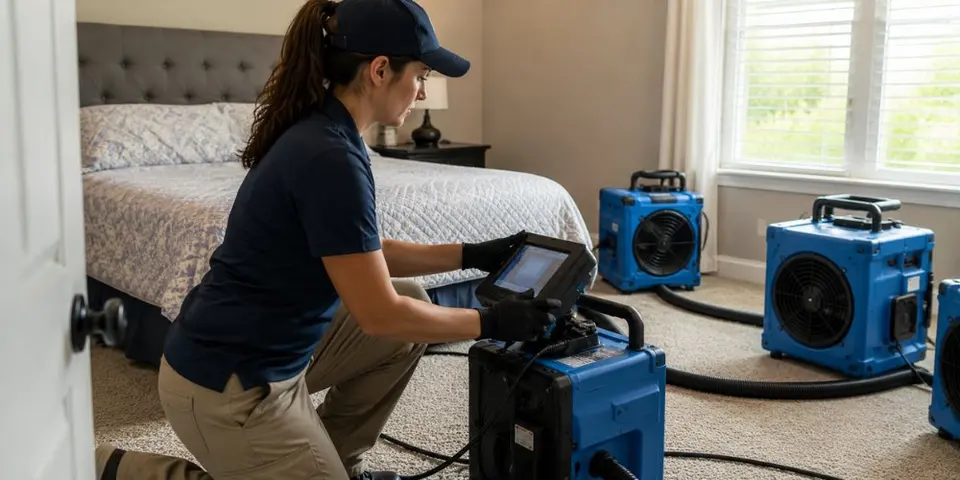
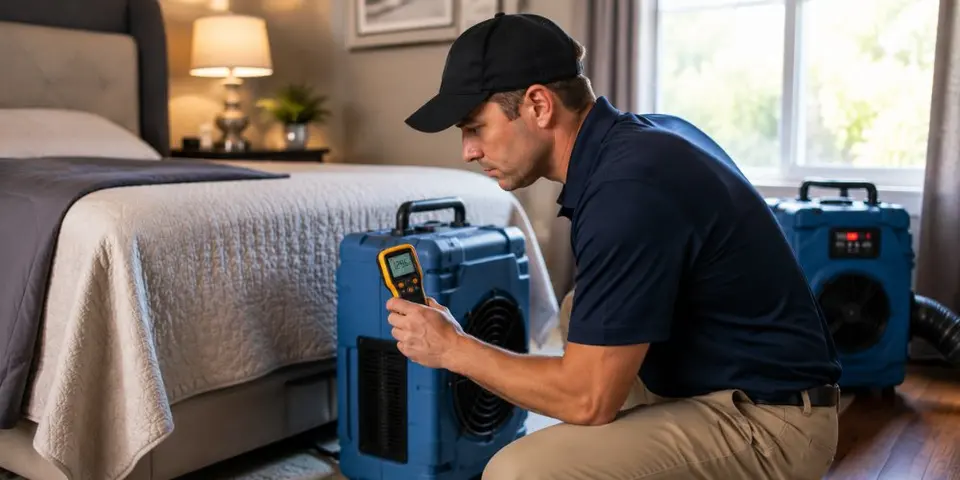
Professional heat treatment uses specialized equipment to increase indoor temperatures to approximately 120°F to 135°F. Technicians then maintain those temperatures long enough for heat to penetrate furniture, mattresses, wall voids, and other common hiding places.
Unlike treatments that only affect exposed surfaces, heat moves throughout the structure and reaches locations that are often difficult to treat directly.
The process generally follows several key steps:
- Inspect the property and identify treatment areas
- Prepare the structure for heating
- Position professional heating equipment
- Monitor temperatures throughout the treatment
- Maintain lethal temperatures for the required duration
- Verify that target areas reached effective temperatures
Because heat affects bed bugs physically rather than chemically, it can eliminate adults, nymphs, and eggs during the same service when performed correctly.
As a result, many homeowners view bed bug heat treatment effectiveness as one of the primary advantages of thermal remediation.
Factors That Influence Bed Bug Heat Treatment Effectiveness
Although heat treatment can be highly effective, results depend on proper execution. Several factors determine whether a treatment achieves complete elimination.
One of the most important factors is temperature consistency. Every area within the treatment zone must reach and maintain lethal temperatures long enough to eliminate bed bugs wherever they hide.
Additionally, airflow plays a critical role. Technicians use specialized fans and equipment to circulate heat throughout the structure and minimize cooler areas where bed bugs might survive.
Preparation also contributes to treatment success. Excessive clutter, tightly packed storage areas, or blocked airflow can slow heat penetration and create challenges during treatment.
Several conditions support successful results:
- Proper treatment planning
- Adequate temperature monitoring
- Strategic equipment placement
- Good airflow throughout the structure
- Compliance with preparation instructions
- Sufficient treatment duration
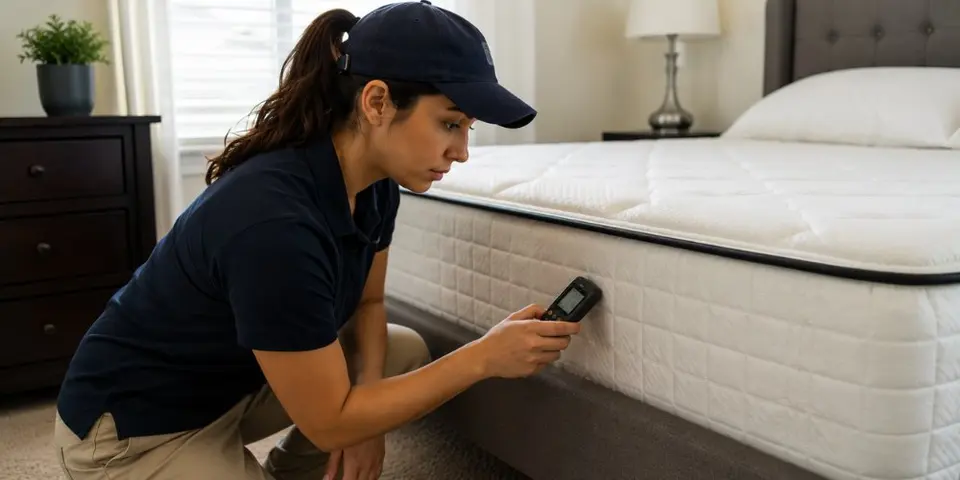
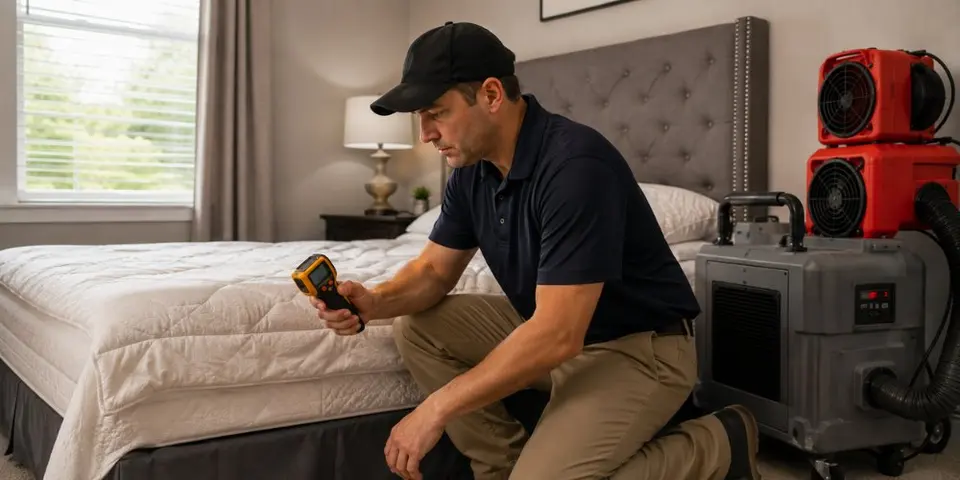
Furthermore, professional monitoring helps ensure that hidden areas receive adequate heat exposure. Technicians often place sensors throughout the property to verify temperatures in locations that may heat more slowly than open spaces.
When these factors come together, bed bug heat treatment effectiveness remains consistently high.
Can Bed Bugs Survive Heat Treatment?
One of the most common questions homeowners ask is whether bed bugs can survive professional heat treatment.
In properly executed treatments, survival is unlikely because lethal temperatures reach the areas where bed bugs hide; however, treatment quality matters. Inadequate heating, poor airflow, or insufficient treatment duration can reduce effectiveness.
It's also important to distinguish between treatment failure and reintroduction. Bed bugs that appear months later often result from a new introduction rather than survivors from the original infestation.
Common sources of reintroduction include:
- Travel luggage
- Used furniture
- Personal belongings
- Visitors carrying infested items
For this reason, prevention remains important even after successful treatment.
When performed by legitimate professionals using appropriate equipment and monitoring procedures, bed bug heat treatment is one of the most reliable solutions available for eliminating active infestations.
Bed bugs create stress, disrupt sleep, and make it difficult to feel comfortable at home. Fortunately, understanding the science behind bed bug heat treatment effectiveness helps homeowners make informed decisions and choose solutions based on evidence rather than marketing claims.
If you're dealing with an active infestation, professional heat treatment may offer a fast, comprehensive way to eliminate bed bugs at every life stage. By combining proper preparation, professional execution, and post-treatment prevention, homeowners can significantly improve their chances of achieving long-term relief.
Why Heat Treatment Remains a Proven Bed Bug Solution
Bed bugs are so hard to eliminate because they hide deep inside furniture, wall voids, and other hard-to-reach areas. However, understanding the science behind bed bug heat treatment effectiveness can help you make a more informed decision when choosing a treatment method.
If you're considering professional heat treatment, it also helps to learn what to expect before treatment day. Our guide to bed bug heat treatment walks you through the preparation process and explains how proper preparation maximizes treatment success. If you need more information, read more about heat treatment.
References:
- Pereira, R. M., Koehler, P. G., Pfiester, M., & Walker, W. (2009). Lethal effects of heat and use of localized heat treatment for control of bed bug infestations. Journal of Economic Entomology, 102(3), 1182–1188. https://doi.org/10.1603/029.102.0342
- Reinhardt, K., & Siva-Jothy, M. T. (2006). Biology of the bed bugs (Cimicidae). Annual Review of Entomology, 52(1), 351–374. https://doi.org/10.1146/annurev.ento.52.040306.133913\