


Top 5 Common Myths About Heat-Based Bed Bug Treatment
Debunk common myths about bed bug heat treatment, from DIY heater risks to preparation, safety, and how professional heat targets every life stage safely.
Many homeowners hesitate to schedule professional bed bug treatment because they misunderstand how heat works. Others try to recreate bed bug heat treatment with space heaters, hair dryers, or other household equipment.
Unfortunately, these attempts can spread the infestation, damage the property, or create serious safety hazards. Meanwhile, delaying professional help gives bed bugs more time to reproduce and move into other rooms. Therefore, homeowners should learn the facts behind heat treatment before choosing a solution for an active infestation.
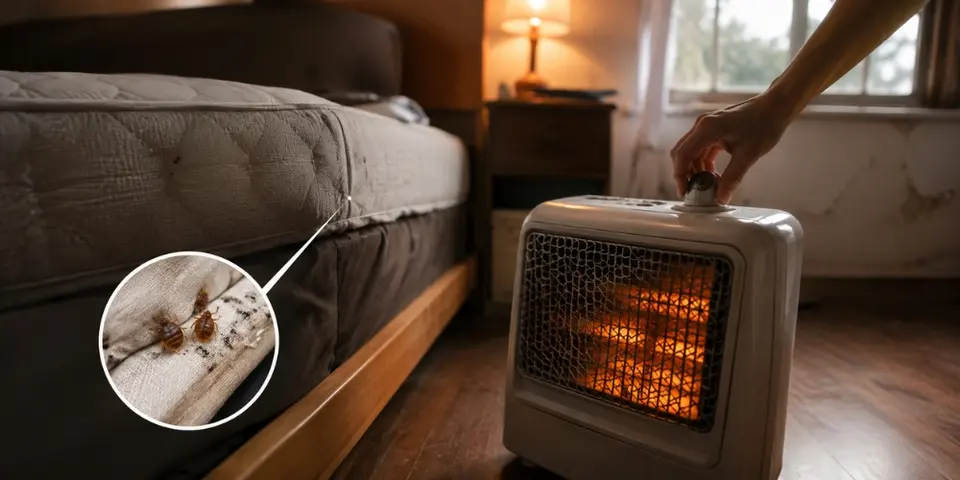
Myth #1: Household Heaters Can Kill Bed Bugs
Although household heaters can heat a small area, they cannot produce the steady conditions required for professional bed bug heat treatment. A space heater might increase the temperature around the heater itself, but will leave the mattresses, walls, furniture, and floor relatively cool. Because of this, the bed bugs can retreat into safe areas and survive.
Professionals use commercial heaters that gradually raise room temperatures. They also maintain lethal heat levels long enough to reach pests hidden inside furniture and structural gaps. In contrast, household appliances often produce inconsistent temperatures and leave cold spots throughout the room.
DIY heating also creates several safety risks:
- Overloaded electrical circuits
- Overheated extension cords
- Flammable materials near heaters
- Unattended heating equipment
- Damaged outlets and wiring
Homeowners might also place portable heaters too close to curtains, bedding, clothing, or upholstered furniture. Such materials can catch fire when they are exposed to concentrated heat.
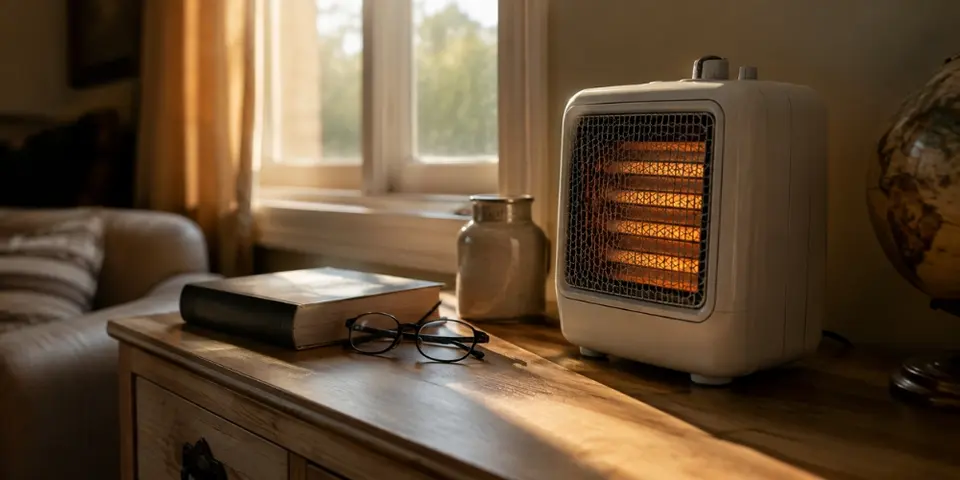
Myth #2: Heat Damages Everything Indoors
Many homeowners imagine that extreme temperatures will damage furniture, electronics, and other personal items. Yet technicians regulate the temperature during professional bed bug treatments by inserting thermal sensors at various points and turning the heaters or fans on or off whenever the temperature rises too rapidly.
The temperatures used in most ordinary household furnishings are tolerated. Items such as beds, sofas, tables, clothing, and normal decorative furnishings can generally be left inside. Putting these items in the treatment area allows heat to reach the bed bugs hiding in the folds of fabric, the joints of furniture, and the seams of the mattress.
However, technicians may ask residents to remove certain sensitive items, including:
- Aerosol cans
- Medications
- Candles and wax products
- Houseplants
- Pressurized containers
- Delicate artwork
- Heat-sensitive electronics
Before bed bug heat treatment begins, the provider should explain which belongings require removal or special protection. Technicians then track temperature changes throughout the service. This professional monitoring protects household contents while maintaining the heat levels needed to eliminate the infestation.
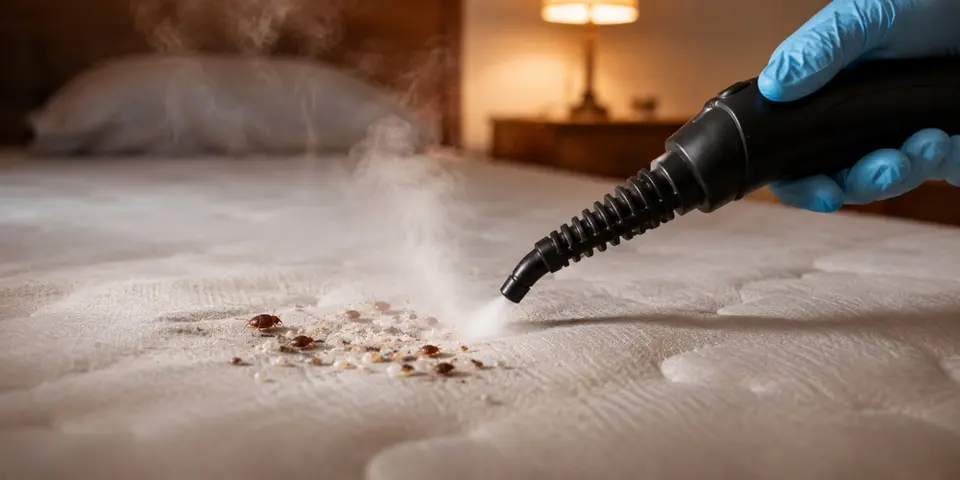
Myth #3: Bed Bug Treatment Only Kills Adults
Some people believe that heat only kills visible adult bugs. In reality, professional bed bug treatment targets eggs, nymphs, and adults when technicians maintain the correct temperature for the required exposure period.
Bed bug eggs often resist vacuuming, surface cleaning, and poorly applied pesticides. Their small size also makes them difficult to locate. Fortunately, bed bug heat treatment penetrates many materials and raises the temperature around concealed eggs. Sustained exposure prevents those eggs from hatching and restarting the infestation.
Heat also kills nymphs, which pass through several developmental stages before reaching adulthood. Because young bed bugs look small and pale, homeowners often overlook them during visual inspections. Meanwhile, adults may hide behind baseboards, inside box springs, or beneath flooring.
Professionals do more than briefly reach a target temperature. They hold lethal temperatures long enough to expose every life stage. Therefore, the success of bed bug treatment depends on both the duration of exposure and temperature.
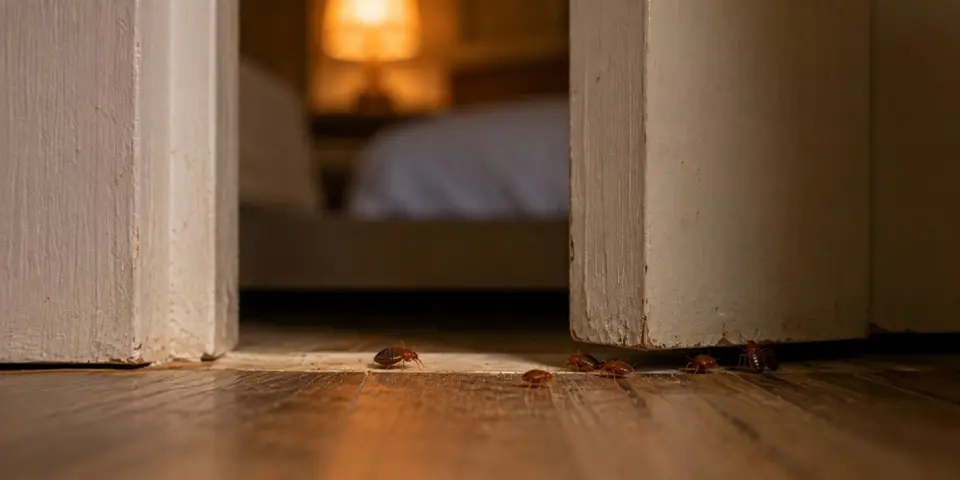
Myth #4: That Bed Bugs Can Escape Heated Rooms
Bed bugs naturally seek cooler areas as temperatures rise. However, professional preparation and equipment placement limit their escape routes. Before starting bed bug heat treatment, technicians inspect the property, identify likely hiding places, and determine how heated air should move through each room.
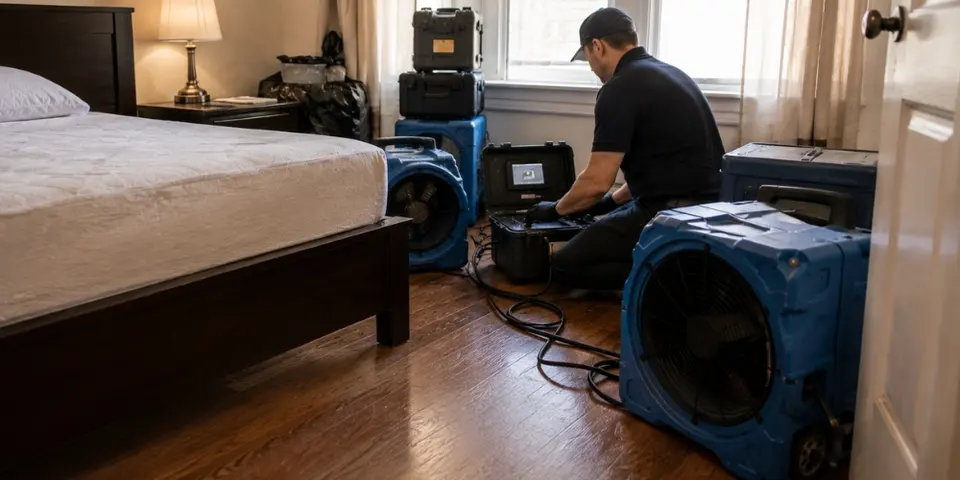
Technicians may reposition furniture, open interior doors, and address gaps that could affect airflow. Next, they place commercial heaters and fans strategically throughout the treatment area. The fans circulate heated air into corners, closets, wall edges, and spaces beneath furniture.
Thermal sensors help technicians find cold spots that could shelter surviving pests. When a sensor detects an inadequate temperature, the team can take several actions:
- Redirect circulating fans
- Reposition heating equipment
- Adjust furniture placement
- Extend the exposure period.
- Add heat to protected areas.
This controlled process makes professional bed bug treatment far more comprehensive than heating one visible location. Instead of chasing bed bugs around the room, technicians create consistent conditions across the entire treatment zone.
Myth #5: Heat Bed Bug Treatment Requires No Preparation
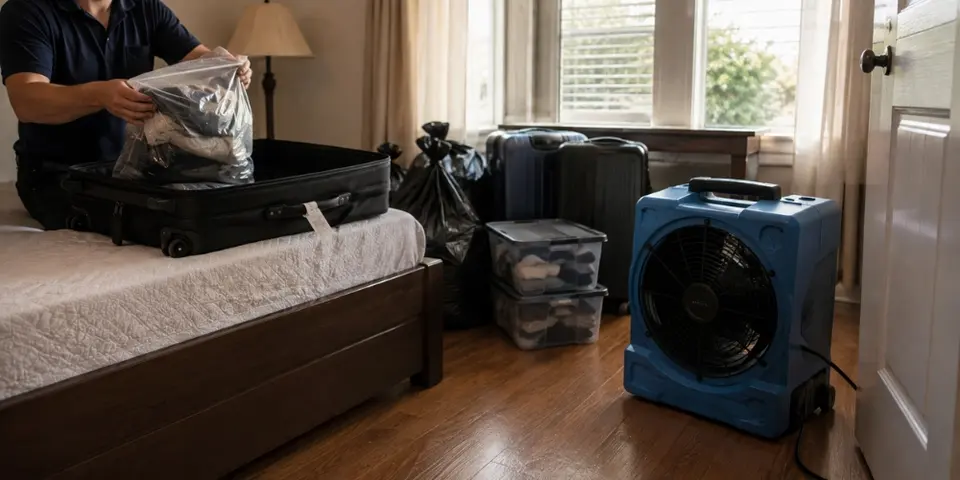
Although heat reaches many concealed spaces, proper preparation still supports effective bed bug treatment. Heavy clutter can block airflow and create insulated pockets where temperatures rise slowly. Technicians also need clear access to beds, walls, furniture, closets, and other possible hiding places.
However, homeowners should never move infested belongings into untreated rooms. That mistake can spread bed bugs and expand the treatment area. Instead, residents should follow the provider’s instructions for organizing clothing, opening drawers, and repositioning furniture.
Homeowners may need to complete several tasks before bed bug heat treatment:
- Reduce excessive clutter
- Remove heat-sensitive products
- Provide access to furniture
- Secure important documents
- Arrange care for pets
- Leave the property during service
Preparation requirements can vary according to the home and equipment. Therefore, residents should use the technician’s customized checklist instead of following generic online advice.
Turn Up the Facts With Professional Bed Bug Treatment
DIY heating can create fire hazards, overload electrical circuits, and push bed bugs into cooler hiding places. Professional treatment provides the equipment, airflow, and temperature monitoring needed to safely target every life stage.
For reliable help, consult a Tulsa bed bug exterminator who understands proper preparation and heat application. Professional guidance helps homeowners avoid unsafe shortcuts and achieve more dependable results.
References:
- Kells, S. A., & Goblirsch, M. J. (2011). Temperature and Time Requirements for Controlling Bed Bugs (Cimex lectularius) under Commercial Heat Treatment Conditions. Insects, 2(3), 412–422. https://doi.org/10.3390/insects2030412
- Polanco, A. M., Brewster, C. C., & Miller, D. M. (2011). Population Growth Potential of the Bed Bug, Cimex lectularius L.: A Life Table Analysis. Insects, 2(2), 173–185. https://doi.org/10.3390/insects2020173