


What Impacts Pest Control Tulsa Prices in Historic Homes
If you own a historic home in Tulsa, you probably appreciate the charm, character, and craftsmanship that come with it. But with that old-world beauty often comes a modern-day problem: pests. Older homes tend to attract more unwelcome visitors, from termites and carpenter ants to roaches and rodents. And when it's time to call in the professionals, you might notice that pest control Tulsa prices for historic properties aren't quite the same as those for newer buildings.
So what makes pest control more complex—and often more expensive—when it comes to historic homes? Let's break it down in plain terms.

Older Construction Means More Entry Points
Builders didn't consider modern pest prevention when they built historic homes. Over the years, foundations settle, wood warps, and gaps form in unexpected places. Unlike new builds with sealed exteriors, older homes often have:
Cracked mortar between bricks
Loose crawl space access
Gaps around old windows and doors
Floorboards that don't sit flush
Pests love this. Rodents, ants, and termites find their way in easily, and pest control companies must take the time to track down every possible entry point. This extra labor impacts pest control Tulsa prices, as professionals need to customize treatment and seal off more access areas.
Hidden Infestations Are Common
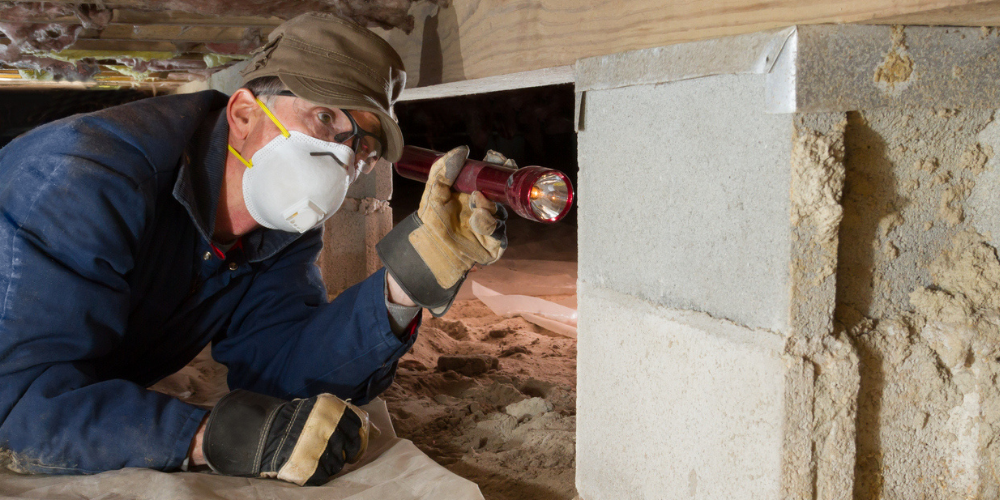
Because many historic homes have been renovated or added onto over time, hidden wall voids, crawl spaces, or attic sections are often hard to access. Pests such as ants and termites can go unnoticed for months or years before homeowners realize a problem.
In these cases, exterminators must:
Use specialized tools to locate pests
Inspect behind walls, beneath floors, or under the foundation
Possibly open small sections of the structure for treatment
As you can imagine, these steps increase labor time and complexity. That's why pest control Tulsa prices rise for historic homes with hard-to-reach infestations.
Preserving Original Materials Takes Extra Care
Another key factor in pricing is the preservation requirement. Professionals can't just treat a historic home like a newer one. These homes often include:
Original plaster or lath walls
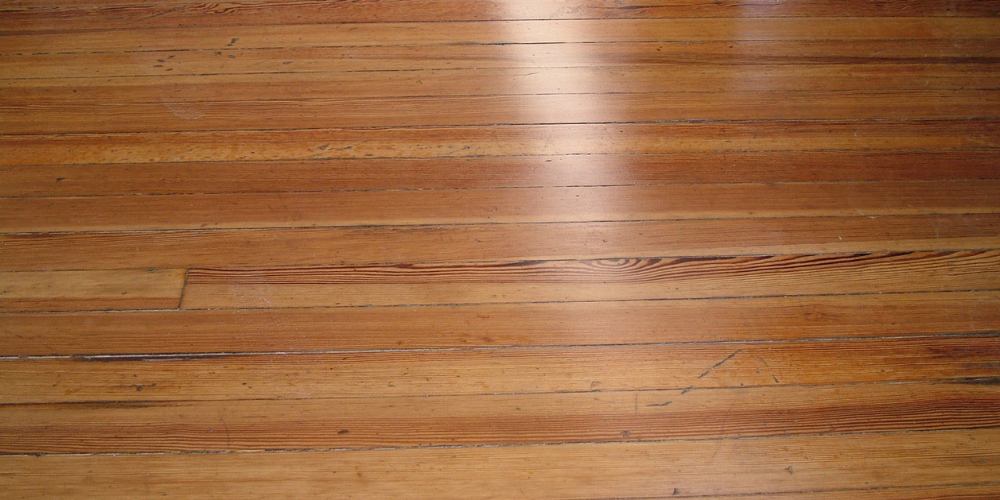
Unsealed hardwood floors
Antique cabinetry
Decorative trim and moldings
Using harsh chemicals or drilling into surfaces could cause permanent damage. Exterminators must use more cautious and targeted methods, such as heat treatment, baiting systems, or non-invasive barriers.
Safer methods often cost more, which pushes up pest control Tulsa prices, especially when preservation is a top priority.
Types of Pests Found in Historic Homes
Older homes don't just attract one kind of pest. Depending on the age and condition of the property, you could be dealing with several species at once. Some of the most common include:
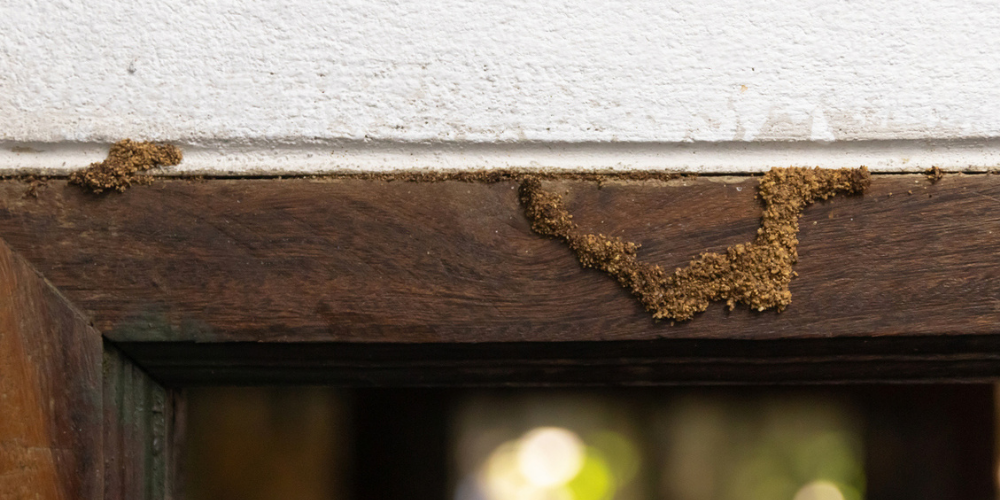
Termites nesting in old wood framing
Silverfish live in damp basements
Mice or rats entering through roof gaps
Bed bugs are hiding in antique furniture
Carpenter bees are boring into exposed exterior beams
Each pest requires a specific treatment method, and the job becomes a layered process when more than one is present. The cost reflects that. It's one of the clearest reasons pest control Tulsa prices vary so much from home to home.
Moisture Control Adds to the Challenge
Many older homes in Tulsa suffer from moisture issues, whether from poor drainage, outdated plumbing, or unsealed basements. Unfortunately, pests love moisture. It creates the perfect environment for ants, cockroaches, centipedes, and even mold-feeding insects.
To properly treat these homes, pest control professionals often need to:
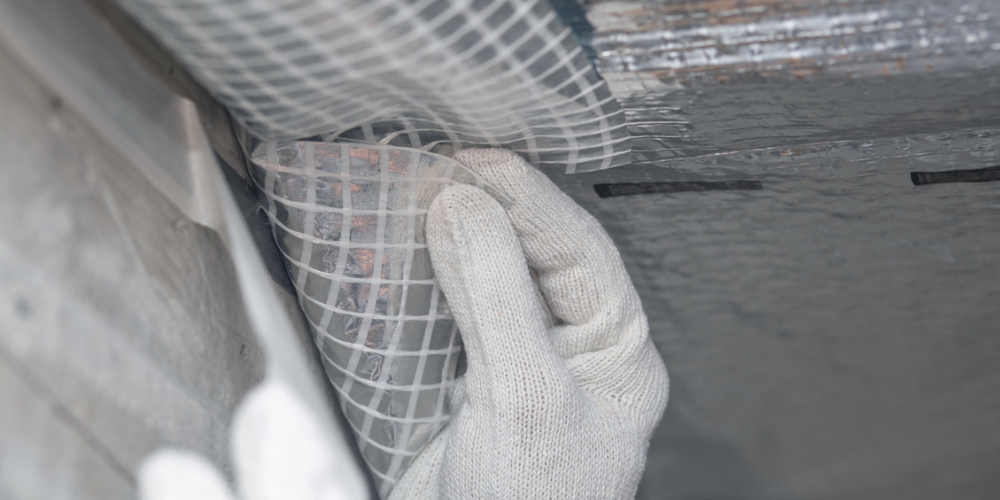
Install vapor barriers in crawl spaces for moisture control
Recommend sump pumps or dehumidifiers
Seal foundation cracks and moisture-prone corners
These services go beyond basic pest removal. When moisture mitigation becomes part of the solution, it adds to the scope of work and influences pest control Tulsa prices.

Accessibility Complicates Treatment
Anyone who's tried to do maintenance in a historic home knows how tricky access can be. Narrow crawl spaces, steep attic ladders, and old structural layouts make it difficult for pest control crews to move freely and do their work efficiently.
That leads to:
Longer treatment times
The need for flexible, low-clearance equipment
Additional safety gear or extra labor
Because builders didn't design these homes for modern service workflows, professionals must adapt, often at an extra cost. This is another reason pest control Tulsa prices can jump in historic properties.

Customized Treatment Plans Are Often Necessary
Unlike cookie-cutter houses with predictable layouts, historic homes are anything but standard. Pest control teams must inspect every room, crawl space, and outbuilding individually before deciding on a strategy.
In many cases, they must:
Develop floor-by-floor action plans
Rotate between chemical and non-chemical treatments
Adjust schedules for phased work due to tenant or owner availability
This level of customization ensures results but demands time, expertise, and flexibility—all of which factor into pest control Tulsa prices.
Do Not Skip Repairs and Follow-Up
The team mostly finishes the job in newer homes once they remove the pests. In historic homes, follow-up is essential. Professionals may need to:
Re-treat at set intervals
Replace or reinforce vulnerable wood
Monitor with traps or sensors
Re-inspect after weather changes
Because these homes often have long-standing structural vulnerabilities, they need a maintenance mindset. It's not just about eliminating pests but managing a home's susceptibility over time. That makes the process ongoing and adds to pest control Tulsa prices in the long term.

Protecting Your Historic Home Moving Forward
If you live in a historic Tulsa home, pest control isn't just a one-and-done task. It's part of preserving the integrity and safety of your property.
Yes, pest control prices in Tulsa for historic homes are often higher, but for good reason. The extra care, time, and precision required make a difference.
When you choose a professional who understands the unique challenges of older homes, you're not just paying for a service. You're investing in the long-term health and value of your property.
References:
Korb, J. (2007). Termites. Current Biology, 17(23), R995–R999. https://doi.org/10.1016/j.cub.2007.10.033
Trechsel, H. R., Bomberg, M. T., Trechsel, H. R., & Vigener, N. W. (2010). Investigating moisture damage caused by building envelope problems. In ASTM International eBooks (pp. 160–20). https://doi.org/10.1520/mnl11552m