


What You Should Expect From Professional Heat Treatment
Learn how professional heat treatment eliminates bed bugs safely, quickly, and chemical-free, protecting your home and belongings.
Dealing with a bed bug infestation can feel overwhelming. These tiny pests hide deep inside mattresses, furniture, and even wall voids, making them notoriously difficult to eliminate with sprays or DIY fixes. That’s where a heat treatment comes in. It is a proven, chemical‑free method that exterminates bed bugs at every life stage.
But before you schedule service, it’s important to know what to expect so you can prepare properly and get the best results. Drawing on industry sources and expert protocols, here’s a complete guide to professional heat treatments and how they work.
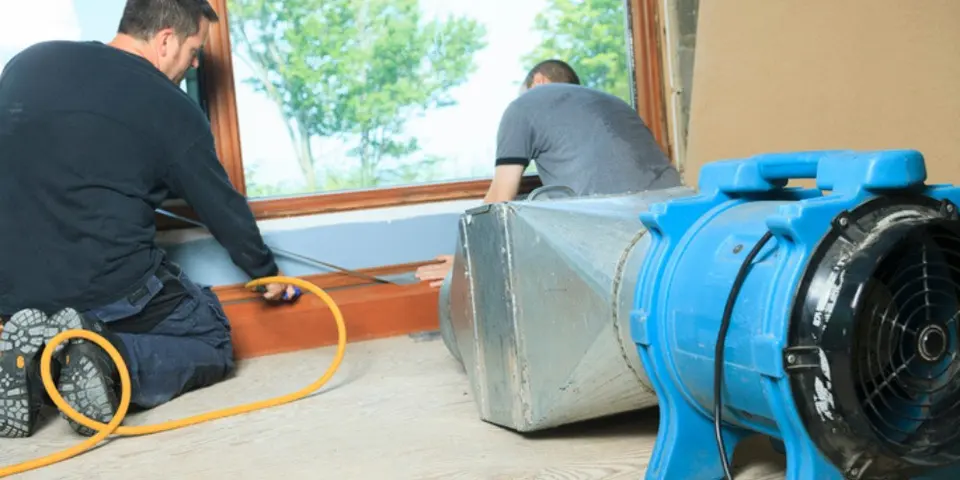
What Is a Professional Heat Treatment?
In its simplest terms, professional heat treatment uses controlled, elevated temperatures to kill bed bugs, including adults, nymphs, and eggs. By raising the internal temperature of an infested space above the thermal death point for these pests, heat disrupts their biological systems, killing them effectively without chemicals.
Unlike spot treatments or sprays, heat permeates every nook and cranny where bugs hide. This makes it one of the most effective bed bug treatment strategies when done correctly.
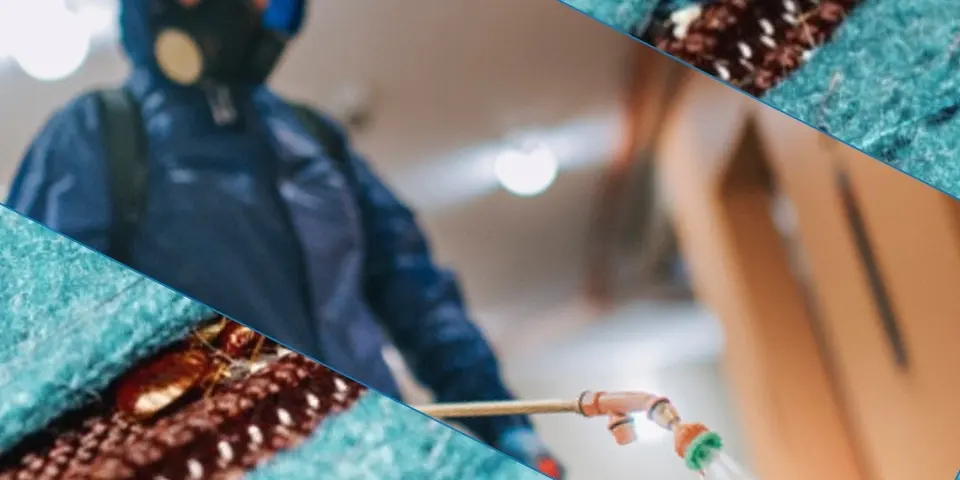
How Heat Treatment Kills Bed Bugs
It’s vital to understand the science behind why heat works so well against bed bugs. These insects cannot survive prolonged exposure to high temperatures, especially in all life stages. Professional systems aim to raise room temperatures to a range lethal to both adults and eggs: typically between 120°F and 135°F (49–57°C) for a sustained period.
When technicians maintain these temperatures throughout the entire treatment area, the heat penetrates deep into cracks, wall voids, and furniture. It also reaches other hiding spots that chemical sprays often cannot touch. The result is a targeted, thorough eradication that eliminates infestations in a single session.

Pre‑Treatment Preparation: What You’ll Need to Do
Before technicians arrive, you’ll have to get your space ready. Preparing properly not only improves effectiveness but also protects your belongings and helps the process run smoothly. Here’s what typically needs attention:
Before the Pros Arrive:
In general, think of decluttering and preparing items so heat can circulate freely.
- Remove trash and clear floors to allow unobstructed airflow.
- Move furniture and beds at least a couple of feet away from walls.
- Remove heat‑sensitive items, such as aerosols, pressurized containers, medications, and wine.
- Pack away or relocate plants and pets, as they may pose risks if left in the treated space.
- Spread clothing and linens loosely so heat reaches every surface.
- Turn off HVAC systems and close windows to prevent cool air from lowering temperatures.
Actively preparing your home promotes even heat distribution and eliminates “cool spots” where bugs could survive.
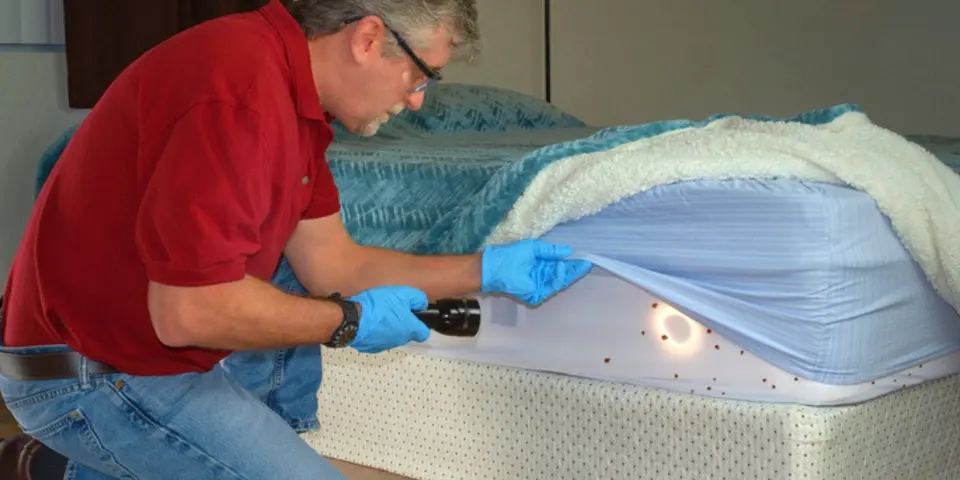
What Happens During Heat Treatment
Once they have completed the preparations, the technicians take over and guide you through the treatment day. While each pest control provider has its own protocols, a typical professional bed bug treatment looks like this:
Stage 1: Inspection & Assessment
Techs inspect the space to identify bed bug hotspots and plan where heaters and fans will be placed for maximum coverage.
Stage 2: Equipment Setup
Professionals set up powerful heaters and air movers carefully to ensure heat reaches all areas, including wall voids and furniture interiors. Sensors are placed around the space to monitor temperature levels in real time.
Stage 3: Elevating and Holding Temperature
The treatment area heats gradually until it reaches the target temperature range. Once achieved, technicians maintain that temperature for several hours to kill all bed bugs and their eggs.
Stage 4: Cooling Down and Inspection
After the heat cycle ends, the space is allowed to cool. Then, pros check temperature logs and perform a follow‑up inspection to confirm the treatment worked. Some companies also place interceptors to monitor for residual activity.
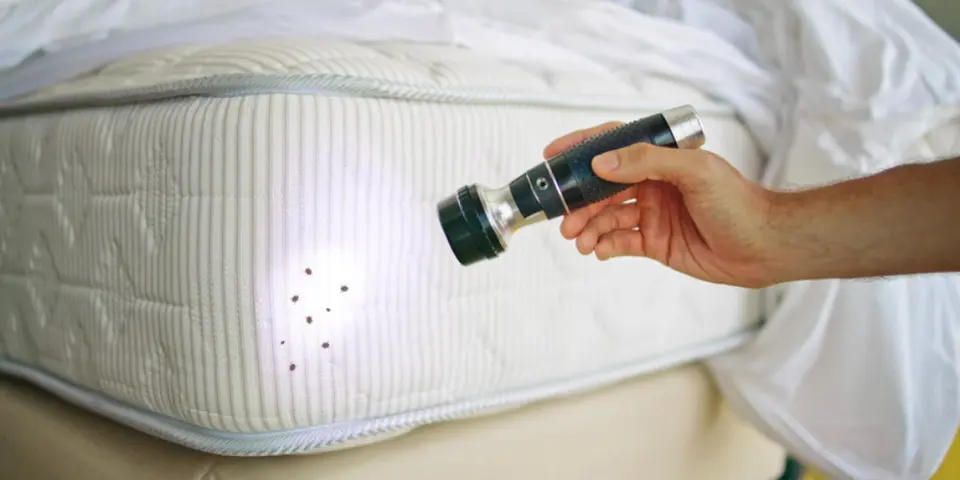
Why Professional Heat Treatment Beats DIY
Many homeowners try DIY heat methods like portable heaters or heating items in a hot car, but these approaches rarely reach the lethal temperatures needed or cover hidden spots where bed bugs hide. Only professional equipment calibrated with airflow engineering and temperature sensors can reliably eliminate pests in hard‑to‑reach areas.
Furthermore, professional technicians bring expertise in avoiding “heat sinks,” which are cool spots created by concrete, insulated walls, or dense furnishings that can defeat lesser equipment. With experienced monitoring and strategic setup, they ensure the treatment reaches every area that needs attention.
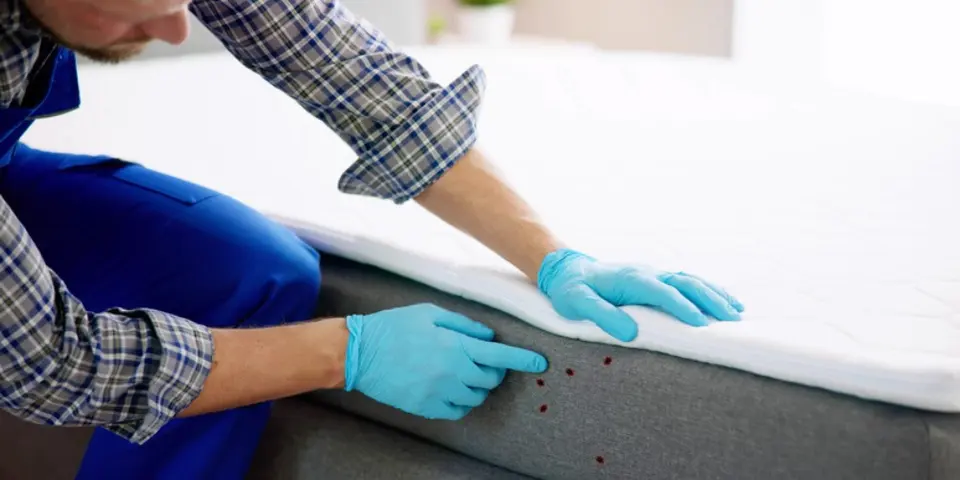
What to Expect After Bed Bug Heat Treatment
Once the temperature returns to safe levels and technicians give you the all‑clear, you can typically return the same day. However, you might need a short waiting period if your space requires extended heating. Typically, you’ll see results much faster than with chemical sprays or repeated pesticide visits.
That said, heat treatment doesn’t leave a residual effect. Meaning it won’t prevent new bed bugs from entering later on. Many pest professionals pair solutions, such as interceptors or targeted sprays, with heat treatment to monitor and prevent reinfestation.
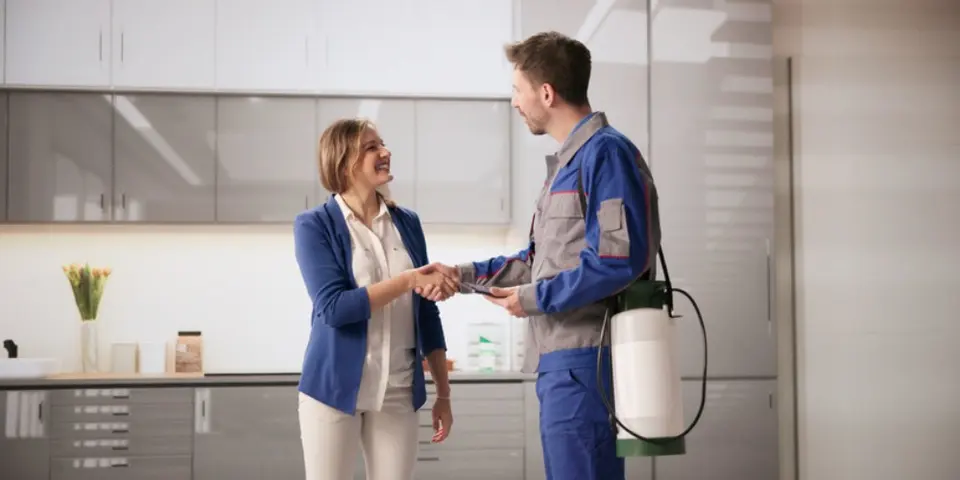
Turn Up the Heat (But Not the Stress)
Professional heat treatment offers one of the most thorough, chemical‑free solutions for eliminating bed bugs and restoring comfort to your home. By knowing what to expect, from preparation to the final walkthrough, you choose confidence and clarity over confusion and guesswork. If you’re exploring options, consider how expert execution combined with powerful technology delivers results that matter.
Ready to take action and say goodbye to bed bugs? Explore trusted heat treatment providers in Tulsa, OK, who deliver expert precision and peace of mind to your pest elimination journey.
References:
- Chebbah, D., Elissa, N., Nicolas, P., Levy, V., Vingataramin, Y., Bennouna, A., . . . Akhoundi, M. (2023). Effectiveness of heat treatment in rapid control of bed bugs in environmental conditions resembling their natural habitats. International Journal of Environmental Health Research, 34(2), 1147–1155. https://doi.org/10.1080/09603123.2023.2205106
Loudon, C. (2016). Rapid killing of bed bugs (Cimex lectularius L.) on surfaces using heat: application to luggage. Pest Management Science, 73(1), 64–70. https://doi.org/10.1002/ps.4409