


Why Roach Problems Persist Without Life Cycle Targeting
Roaches are among the most persistent pests people face in their homes. Despite trying store-bought baits, traps, or chemical sprays, many still struggle with ongoing infestations. These temporary solutions might offer quick relief, but don’t always address the underlying issue. That’s because most DIY products kill only adult roaches, not the eggs or newly hatched nymphs that will soon become the next generation of trouble.
To solve the issue for good, it's essential to understand the roach life cycle and how to target every stage. For real, lasting results, homeowners must focus on more than just what they can see. These are the reasons a life cycle-focused approach is crucial for stopping recurring roach problems:
Understanding the Cockroach Life Cycle
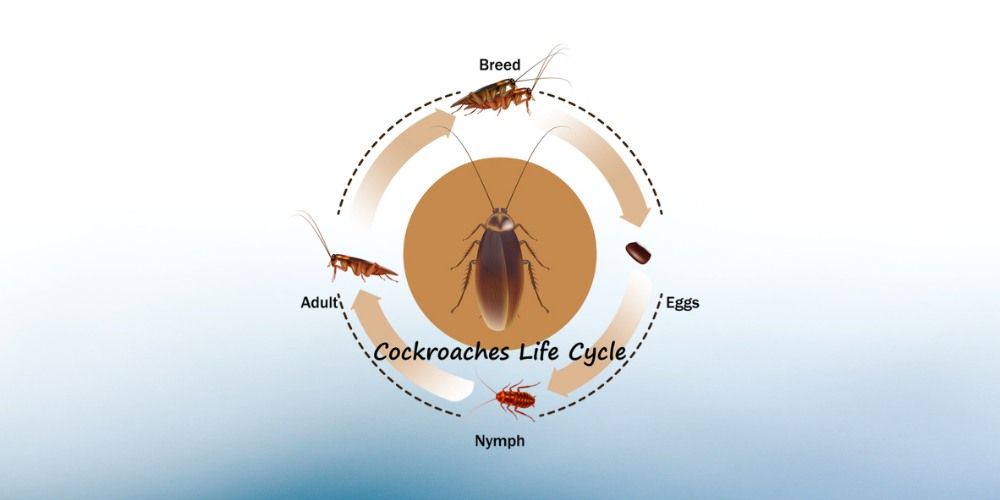
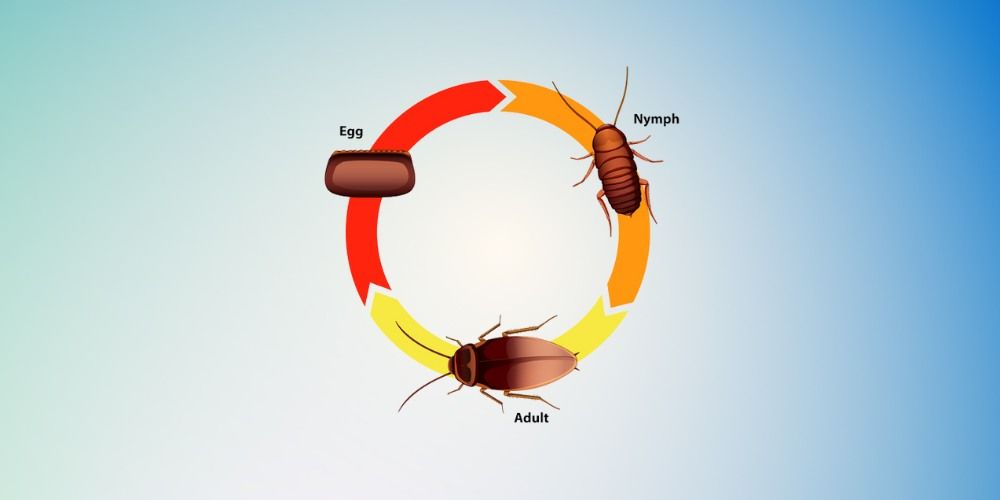
The roach life cycle is a significant factor in why infestations continue even after treatment. Cockroaches go through three distinct stages: egg, nymph, and adult. Each stage has unique behaviors and vulnerabilities that require different control methods.
The following details explain each life stage and how it contributes to recurring roach problems:
Eggs (Oothecae): Female roaches lay eggs in protective cases called oothecae, which can contain 10 to 50 eggs.
Nymphs: When the eggs hatch, tiny, wingless nymphs emerge. They quickly scatter and hide, making them difficult to detect. Although they’re vulnerable at this stage, they often survive mild treatments and develop into adults over several weeks.
Adults: These are the visible roaches that people usually try to kill with sprays or traps. Research from entomology journals confirms that infestations can re-establish quickly without targeting all stages, even after heavy spraying or baiting. That’s why life cycle targeting matters when dealing with roach problems.
Why Traditional Roach Treatments Fail
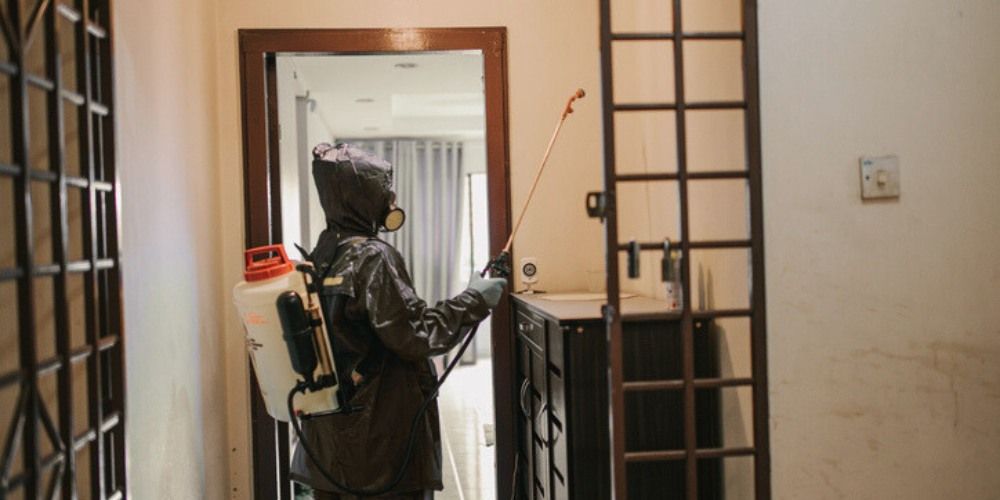
Many people rely on off-the-shelf solutions to handle roach problems. While these products seem convenient, they often fail to deliver long-term results. That’s because they usually address only the visible part of the infestation—the adult roaches.
These are the main reasons why traditional treatments fall short:
Single-stage focus: Manufacturers design most sprays and traps to kill adult roaches on contact rather than disrupt the life cycle.
Egg protection: Roach eggs are hidden and protected by the ootheca casing.
Missed nymphs: Since nymphs are smaller and often hide in tight spaces, they can escape detection and grow into adults, continuing the cycle.
Resistance buildup: Roaches adapt over time. When repeatedly exposed to the same chemicals, they may develop resistance, reducing the effectiveness of overused treatments.
Poor application: Even the best products won’t work if not applied properly. Many homeowners don’t know where roaches hide or how often to reapply products to be effective.
What Life Cycle Targeting Looks Like in Practice
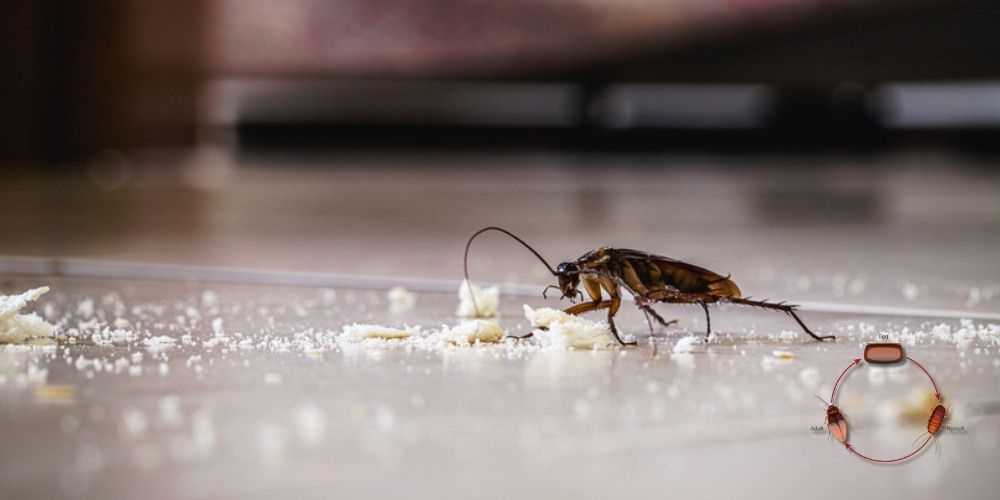
Tackling roach problems effectively means focusing on all stages—from egg to adult. It requires a more thoughtful, strategic approach that includes sanitation, monitoring, and integrated pest management (IPM) tools.
Here are the key elements of life cycle targeting:
Egg case identification and removal: Trained eyes can spot oothecae and remove them before they hatch. Vacuuming, crack-sealing, and cleaning under appliances are all necessary steps.
Nymph-focused treatments: Using insect growth regulators (IGRs) helps interrupt the molting process, preventing nymphs from becoming reproductive adults.
Consistent baiting: Baits with delayed action allow roaches to carry the poison back to nests, killing others in the colony, including developing nymphs.
Sealing entry points: Roaches often enter through pipes, wall gaps, or drains. Blocking these points keeps new pests out and reduces chances for re-infestation.
Monitoring stations: Glue traps and monitoring devices help identify population growth and determine whether eggs hatch or new roaches enter outside.
Sanitation: Roaches thrive in areas with crumbs, grease, and moisture. Keeping kitchens and bathrooms clean helps break the life cycle by reducing the use of food and water sources.
The Role of Professional Pest Control in Solving Stubborn Roach Problems
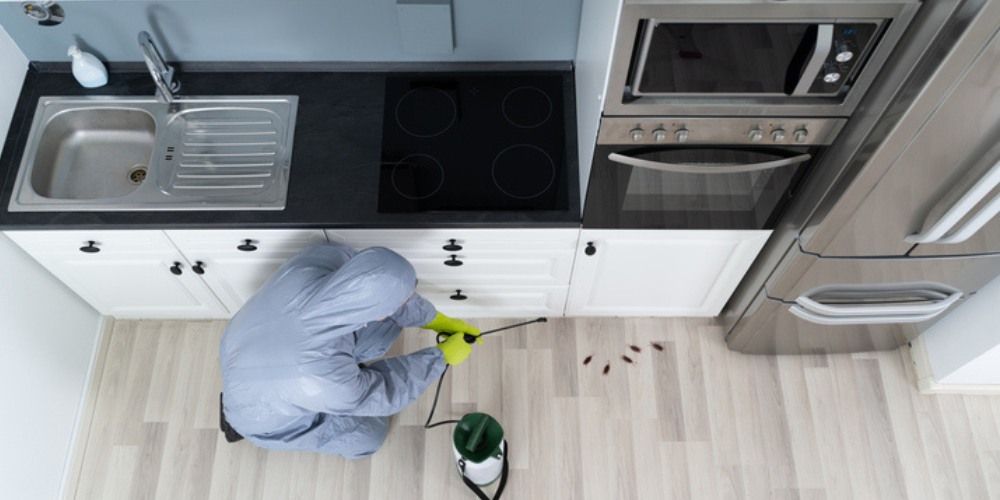
DIY efforts can make a difference, but when roach problems persist, professional help becomes necessary. Pest control experts understand how roaches behave, reproduce, and survive. They also have access to tools and treatments unavailable to the general public.
These are the reasons professionals are often the best solution for hard-to-kill infestations:
Advanced inspection tools: Professionals use moisture meters, UV lights, and flushing agents to find hidden nests and breeding spots.
Targeted chemical applications: Instead of spraying everywhere, they apply products where they’re most effective, such as wall voids, plumbing access points, and behind appliances.
Use of growth regulators: IGRs disrupt the reproduction cycle and prevent eggs and nymphs from maturing into adults, breaking the cycle over time.
Follow-up services: One visit rarely solves deep-rooted roach problems.
Education and prevention tips: A pest control technician can explain how to store food, manage waste, and seal entry points, helping homeowners maintain a roach-free environment.
Customized treatment plans: Every infestation is different. Professionals adjust their approach based on roach species, infestation size, and the home's layout.
By investing in expert help, homeowners can finally stop dealing with recurring roach problems and enjoy lasting peace of mind.
Why Life Cycle Targeting is Essential
Roach problems don’t go away by killing a few bugs on the surface. The real issue lies deeper—inside egg cases, behind walls, and under kitchen appliances. Most DIY treatments miss these hidden threats, so roaches often return stronger than before. The key to lasting control is to target every life stage: egg, nymph, and adult.
Whether facing a minor roach issue or a severe infestation, ignoring the life cycle means fighting an uphill battle. With the right strategy—including sanitation, growth regulators, and help from professionals—roach problems in Owasso, OK, can be solved once and for all. Stop wasting time on short-term fixes and use proven life-cycle-focused methods.
References
Elevate, Equity through climate action. (2023, April 25). Cockroaches: Problems and Solutions - Elevate. Retrieved from https://www.elevatenp.org/publications/cockroaches-problems-and-solutions/
Cockroach elimination in homes and apartments | Entomology. (n.d.). Retrieved from https://entomology.ca.uky.edu/ef614